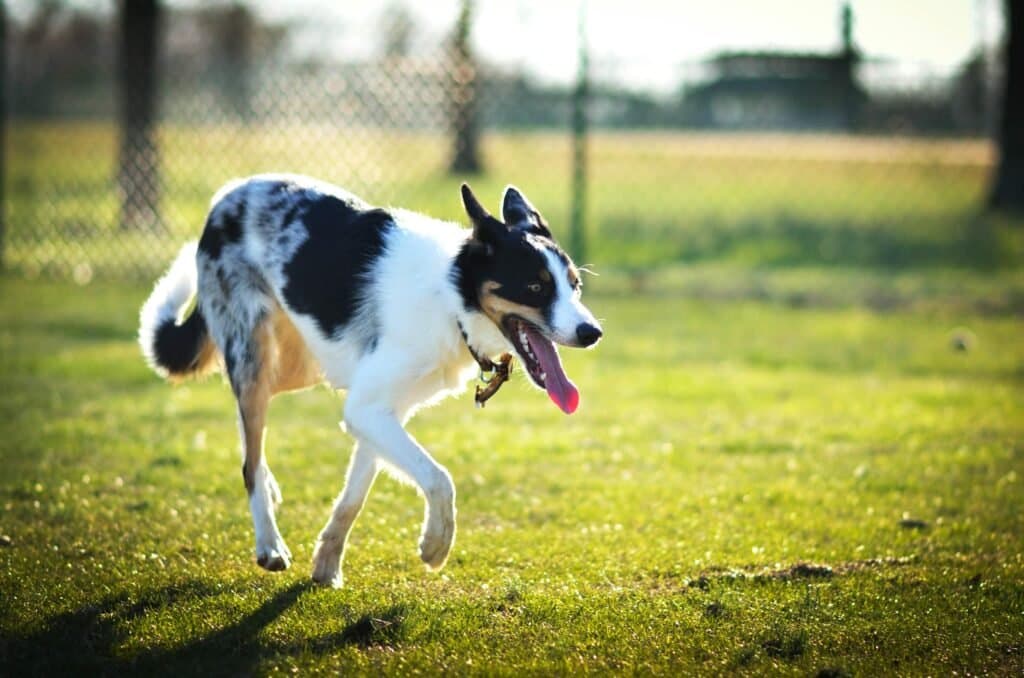
Dog Park Safety Tips Every Pet Owner Should Know
Taking your furry friend to a dog park can be a delightful experience, not just for you but for your pet as well. However, safety must always come first to ensure that every visit is enjoyable. Here are essential tips to keep in mind while visiting your local dog park.
Monitor Your Dog’s Behavior
It’s crucial to keep an eye on how your dog interacts with other dogs. Look for signs of distress or aggression, such as:
- Growling or snarling
- Barking excessively
- Stiff body posture
- Raised hackles
If your dog exhibits any of these behaviors, it’s best to remove them from the situation to avoid conflicts. Conversely, make sure they are not overly submissive or timid, which might put them in a vulnerable position.
Choose the Right Time to Visit
Timing plays a significant role in ensuring a safe park visit. Consider visiting during off-peak hours when the park may have fewer dogs. This reduces the chance of overwhelming your pet and allows for easier management of interactions.
Health and Vaccinations
Before taking your dog to the park, ensure they are up-to-date on vaccinations and parasite control. Dogs can be exposed to illnesses in group settings. Essential vaccines include:
- Distemper
- Parvovirus
- Bordetella (Kennel Cough)
It’s also wise to keep your pet on flea and tick prevention medication. A quick trip to the vet can safeguard your dog and others at the park.
Obey Park Rules
Most parks have specific rules to promote safety. Be sure to familiarize yourself with these regulations, which may include:
- Weight limits for dogs
- Leash laws
- Designated areas for small and large dogs
Adhering to these guidelines helps ensure a positive experience for everyone involved.
Bring Necessary Supplies
Being prepared enhances your visit and adds an extra layer of safety. Here’s a brief checklist of supplies you should bring to the dog park:
- Collar with ID tag
- Poop bags
- Water and a portable bowl
- Treats for rewards
- First-aid kit specifically for pets
This way, you are ready for any situation that may arise.
Socialize Your Dog Beforehand
Regular socialization is key to a well-adjusted dog. Consider inviting friends with dogs over for a playdate before heading to the park. This allows your pet to learn appropriate play behaviors and develop their social skills in a controlled environment.
Teach Basic Commands
Having control over your dog is essential in a public space. Training your dog to respond to basic commands, such as “sit,” “stay,” and “come,” can help ensure safety during park visits. Reinforcing these commands at home can prepare your pup for the unpredictable nature of a dog park.
Respect Other Pet Owners
Dog parks are community spaces. Approach other pet owners with respect and courtesy. If you see someone struggling, offer help. This not only promotes a friendly environment but enhances safety for all dogs involved. Remember, every pet owner is in the park for the same reason as you – to provide a fun and safe environment for their pets.
Be Aware of Your Surroundings
Pay attention to your environment. Look out for potential hazards that could cause injury to your dog. This includes:
- Broken glass
- Sharp objects
- Uneven terrain
Always choose a dog park that is well-maintained. Parks with regular upkeep will reduce risks for both you and your furry friend.
By following these dog park safety tips, you can ensure a fun and safe experience for both you and your beloved pet. Regular park visits can greatly enhance your dog’s social skills and give them the exercise they need. For more information on dog park etiquette and guidelines, check out AKC’s Dog Park Etiquette.
Ultimately, being informed and proactive can not only protect your pet but enhance your overall experience at the dog park. So, grab that leash, pack your supplies, and get ready for a safe day out with your four-legged friend!
Recognizing Aggressive Behavior in Dogs
Understanding your dog’s behavior is crucial for a happy, safe environment. Recognizing aggressive behavior in dogs can help you prevent potential conflicts and ensure everyone’s safety. Dogs communicate their feelings through body language and vocal cues, making it essential for pet owners to be observant.
Common Signs of Aggressive Behavior
There are several indicators that your dog may be exhibiting aggressive behavior. Here are the most notable signs to watch for:
- Growling: A low growl can indicate discomfort or warning.
- Snarling: This displays teeth and suggests your dog may feel threatened.
- Barking: Excessive barking, especially if sharp or repetitive, could signal aggression.
- Lunging: If your dog moves forward aggressively, it’s a clear warning to those around.
- Raised Hackles: When the fur along your dog’s back stands up, it often means they are on high alert.
- Baring Teeth: This behavior can be a sign of aggression and indicates low tolerance for threats.
Understanding Triggers of Aggression
Dogs can react aggressively due to various triggers. Identifying these triggers can help you manage their aggressive responses. Some common causes include:
- Fear: Many dogs grow aggressive when frightened, often leading to defensive actions.
- Territorial Behavior: A dog may become aggressive if they perceive an intrusion in their space.
- Protective Instincts: Some dogs aggressively protect their owners or other pets.
- Frustration: If a dog is unable to reach a target, it may redirect its energy aggressively.
- Pain or Discomfort: Dogs in pain may lash out due to stress or fear.
Managing Aggressive Behavior
Recognizing aggressive behavior is just the first step. Here are some effective strategies to help manage and address aggression:
- Socialization: Introduce your dog to different environments, people, and other animals gradually.
- Positive Reinforcement: Reward good behavior to encourage positive actions. For instance, reward calmness in tense situations.
- Professional Training: Consulting a professional dog trainer can help in addressing specific behaviors and modifying them positively.
- Avoid Punishment: Harsh corrections can escalate aggressive behaviors. Focus instead on preventative measures.
- Use of Muzzles: If necessary, a muzzle can help ensure safety during interactions while behavior is being corrected.
When to Seek Professional Help
If you notice your dog’s aggressive behavior worsening or becoming more frequent, seeking professional guidance is vital. Trainers or behaviorists specializing in aggression can devise a tailored plan for your dog. Look for organizations like the Association of Professional Dog Trainers for recommendations.
Preventing Future Aggressive Episodes
Prevention of aggressive incidents is key to a harmonious relationship with your dog. Take proactive steps:
- Routine Vet Exams: Regular checkups can rule out health issues that trigger aggression.
- Invest in Proper Training: Enroll your dog in training classes to reinforce positive behavior early on.
- Establish Boundaries: Clearly define your dog’s space and they will feel secure, reducing anxiety-driven aggression.
- Identifying Stressors: Keep a record of situations that led to aggression and work to minimize or address these scenarios.
Recognizing the signs and managing aggressive behavior in dogs is important for everyone’s safety. By understanding your pet’s body language and enacting proper measures, you can foster a peaceful environment for both pets and humans. Remember, a well-cared-for dog is a happy dog!
For more detailed guidance on dog behavior, visit The American Kennel Club or check out articles provided by The Humane Society for extra resources.
How to Socialize Your Dog Before Visiting a Dog Park
Visiting a dog park can be an exciting adventure for you and your furry friend, but ensuring your dog is well-socialized beforehand is crucial for a positive experience. Socializing your dog helps them become comfortable around other dogs and people, reducing the chance of aggressive behavior and anxiety. Here are some effective strategies you can use to socialize your dog before hitting the dog park.
Start Early
The earlier you start socializing your dog, the better. Puppies are generally more adaptable and responsive to new environments and experiences. Aim to expose them to different settings, people, and pets from a young age. Here are some ways to start:
- Take your puppy on walks in busy areas.
- Arrange playdates with friends who have vaccinated dogs.
- Attend puppy training classes to meet new people and dogs.
Gradual Exposure to Different Environments
Once your dog has the basics down, you can gradually introduce them to new environments. This process helps build their confidence. Try these methods:
- Visit pet-friendly stores where dogs are allowed, allowing your pet to interact with various stimuli.
- Visit a dog-friendly cafe or restaurant where your dog can meet and socialize with other patrons.
- Take various routes on walks to expose your dog to different sights and sounds.
Positive Reinforcement
Using treats and praise is essential to help your dog associate social situations with positive outcomes. Whenever your dog interacts well with another dog or person, reward them immediately. Here are some tips:
- Keep a stash of your dog’s favorite treats in your pocket.
- Give verbal praise like “Good boy!” or “Well done!” when your dog behaves appropriately.
- Try calming techniques, like gentle petting or soothing words, if your dog seems anxious.
Implement Controlled Meet-Ups
Before taking your dog to the park, organizing controlled meet-ups with other dogs can be beneficial. This way, you can monitor behavior closely and step in if needed. Take the following steps:
- Choose a calm and friendly dog to meet first. Ensure they have a good temperament.
- Hold a leash on each dog and allow them to sniff one another while maintaining calm control.
- Gradually increase the duration of their interactions as they become more comfortable.
Understanding Dog Park Etiquette
Prior to entering the dog park, familiarize yourself with basic dog park etiquette. This understanding will benefit both you and your dog:
- Always supervise your dog while in the park.
- Make sure your dog is healthy and fully vaccinated before visiting.
- Respect other dogs’ personal space; not all dogs enjoy a face-to-face greeting.
- Be prepared to intervene if play turns rough or aggressive.
Monitor Body Language
Your dog’s body language can provide vital clues to their comfort level. Recognize the signs of both relaxation and stress:
| Body Language | Indicates |
|---|---|
| Play bow (front legs stretched forward) | Inviting play |
| Tail wagging (loose and relaxed) | Happy and comfortable |
| Baring teeth | Warning or discomfort |
| Ears back, tucked tail | Fear or submission |
By learning these cues, you can better understand your dog’s feelings and intervene if needed.
Know When to Leave
If you sense your dog is overwhelmed or not enjoying themselves, don’t hesitate to leave. A positive experience is key for future visits. Ultimately, you know your dog best, and trusting your instinct will make all the difference.
Socializing your dog takes time, patience, and commitment, but the effort is worth it. Preparing ahead enhances both your experience and your pet’s time at the park. Additionally, consider seeking help from professional trainers if needed. They can provide targeted advice suited to your dog’s specific needs. For more information on dog training and socialization, visit AKC Training Resources or Dogs Best Life.
The Importance of Vaccinations for Your Dog
As a responsible pet owner, ensuring the health and well-being of your dog is paramount. One of the most effective ways to protect your furry friend is through vaccinations. Vaccinations play a crucial role in preventing serious diseases, allowing dogs to lead happy and healthy lives. Understanding the importance of vaccinations can help you make informed decisions for your pet’s health.
Various vaccinations are available, and each serves a specific purpose. Not all vaccines are the same; some are core vaccinations, while others are non-core. Here are some key vaccinations your dog may need:
- Core Vaccinations:
- Rabies: Required by law in many areas, rabies vaccination protects your dog from a potentially fatal virus.
- Distemper: This highly contagious disease can cause severe respiratory and neurological damage.
- Parvovirus: A deadly virus that affects the gastrointestinal tract and can be especially dangerous for puppies.
- Parainfluenza: A respiratory illness that can lead to more severe infections.
- Bordetella (Kennel Cough): Essential for dogs that frequently socialize in places like dog parks or boarding facilities.
- Non-Core Vaccinations:
- Leptospirosis: Protects against bacteria that can be transmitted through contaminated water bodies.
- Lyme Disease: Important for dogs in areas where ticks are prevalent.
Vaccinations are not just for puppies. Adult dogs also need booster shots to maintain their immunity levels. Regular vet check-ups will help ensure your dog stays updated on their vaccination schedule. Keep in mind that the timeline for vaccinations can depend on your dog’s age, health, and risk factors.
One repeated concern among pet parents is vaccine reactions. While most dogs tolerate vaccines well, a small percentage may experience side effects. These can include mild lethargy, swelling at the injection site, or even allergic reactions. It’s critical to monitor your dog after they receive vaccinations and consult your veterinarian if you notice unusual symptoms. Generally, veterinarians recommend performing vaccinations in a controlled environment to monitor any possible adverse reactions effectively.
Another vital aspect of vaccinations is herd immunity. When a majority of pets in a community are vaccinated, it significantly reduces the chances of disease outbreaks. This not only protects individual dogs but also helps safeguard unvaccinated pets, like puppies too young for vaccines or those with health issues. When you vaccinate your dog, you contribute not only to their well-being but also to the health of your canine community.
For many dog owners, the cost of vaccines may pose a concern. However, the cost of vaccination is typically much lower than the treatment for a disease that could have been prevented. Investing in your dog’s vaccinations is investing in their long-term health, and it can save you money and heartache down the road.
For easy access to vaccination services and to track your dog’s health records, consider using services like CareCredit which can assist in managing healthcare expenses for your pet.
| Vaccine | Recommended Age of First Dose | Booster Frequency |
|---|---|---|
| Rabies | 12-16 weeks | Every 1-3 years depending on local laws |
| Distemper | 6-8 weeks | Every 3 years after initial series |
| Parvovirus | 6-8 weeks | Every 3 years after initial series |
| Bordetella | 6-8 weeks | Annual |
To find a qualified veterinarian and discuss your dog’s vaccination needs, check out resources on the American Veterinary Medical Association website. Educating yourself about vaccines and staying informed can empower you to make the best choices for your beloved pet.
By keeping your dog vaccinated, you’re not just giving them a fighting chance against diseases—you’re also promoting a healthier environment for dogs everywhere. Make vaccinations a priority, and your canine companion will thank you with many years of wagging tails and happy barks.
Essential Items to Bring to the Dog Park
Visiting the dog park can be a fun and rewarding experience for both you and your furry friend. To make the most of your time there and ensure a safe outing, it’s essential to bring the right items. The following list includes essential items that every dog owner should have on hand when heading to the dog park.
Water for Your Dog
Keeping your dog hydrated is crucial, especially on warm days. Bring a portable water bowl or a collapsible container to make it easy for your dog to drink water throughout your visit.
Leash and Collar
Even though dog parks allow dogs to run off-leash, it’s always wise to have a leash handy. This ensures you can quickly restrain your pet when necessary, such as at the park entrance or when you see other dogs that may not be friendly. Ensure your dog’s collar is secure, and it’s a good idea to have a tag with your contact information in case your dog gets lost.
Poop Bags
Responsible pet ownership means cleaning up after your dog. Always bring enough biodegradable poop bags to ensure you can clean up any mess your dog makes. This helps maintain the park’s cleanliness and shows respect for others using the space.
Treats and Toys
Having some treats can help reinforce good behavior and make your dog more responsive to commands. Additionally, a favorite toy can encourage play and engagement with other dogs. Just make sure the toy is safe for multiple-play situations, avoiding anything that could be easily damaged or cause a hazard.
First Aid Kit
Accidents can happen; having a small first aid kit on hand can be very useful. Include items like bandages, antiseptic wipes, and any specific medications your dog might need. This kit can help manage minor injuries or unexpected situations until you can seek veterinary assistance.
Dog Wipes and Towels
Park outings can get messy, especially if your dog enjoys digging or playing in mud. A pack of dog wipes and a towel can help keep your dog clean and dry after a romp in the park before heading back home – or even getting into your car.
Sun Protection
If your dog has short hair or a light coat, consider bringing dog-safe sunscreen to protect them from sunburn. Look for products specifically designed for pets, as human sunscreen can be harmful to them.
Friends
Bringing a friend along can enhance your experience at the dog park. Not only can you watch each other’s dogs, but it can also make the outing more enjoyable and less stressful. Plus, you can trade tips or share experiences about dog care and training.
Identification and Emergency Contacts
Always carry your identification and have emergency contact information accessible in case of any unexpected events. This is especially important if you find yourself in situations requiring immediate help, such as handling an altercation with another dog or if your dog gets lost.
Weather-Appropriate Gear
Keep an eye on the weather before heading out. If it’s rainy, consider a dog raincoat. In winter, a dog sweater might keep your furry friend warm while they explore the park. Conversely, during hot weather, pack a cooling vest or mat to help keep your dog comfortable.
When you ensure you have packed these essential items, you create a positive and safe experience for both you and your dog. This not only keeps your dog happy and healthy but also fosters a community of responsible pet owners.
For further resources on pet safety and tips for enjoying the dog park, visit American Humane or check out ASPCA for additional guidance.
Your dog park visit can be a fantastic bonding experience, and with the right preparations, you’ll be set for a memorable day with your furry friend.
Understanding Dog Park Etiquette for Owners
Visiting a dog park is a fun experience for both you and your pup. However, understanding the etiquette that comes with it is essential for a safe and enjoyable outing. Learning these practices helps not only your dog but also enhances the experience for everyone else in the park. Here are some key dog park etiquette tips that every pet owner should know.
Respect Other Dogs and Owners
Your behavior as a pet owner significantly impacts the dog park experience. Here are some points to remember:
- Keep an eye on your dog: Always supervise your dog. Dogs can be unpredictable, so be alert to their interactions with other animals.
- Introduce your dog gradually: Allow your dog to meet others by doing so slowly. This can prevent conflicts and help your dog learn social skills.
- Don’t interrupt play: If dogs are playing nicely, avoid breaking it up unnecessarily, as this can escalate into aggression.
Clean Up After Your Dog
Cleaning up after your pet is a fundamental part of dog park etiquette. Not only is it respectful, but it also maintains a healthy environment for all dogs. Make sure to:
- Bring waste bags: Always carry extra bags to ensure you can clean up any mess your dog makes.
- Properly dispose of waste: Place the waste bag in designated bins. Don’t leave bags lying around.
Understand the Park Rules
Each dog park may have specific rules, so it’s important to familiarize yourself with them before entering. General rules often include:
- No aggressive dogs: Ensure your dog is not displaying any aggressive behavior before entering.
- Age thresholds: Some parks have separate areas for small and large dogs. Make sure you follow these guidelines.
- Vaccination requirements: Be certain that your dog is vaccinated and in good health before visiting.
Socialize Wisely
Socialization is a vital aspect of a dog’s development. However, it’s crucial to do this appropriately. Consider the following:
- Limit toys: Bringing toys can create conflicts. If your dog has a favorite toy, use it sparingly or leave it at home.
- Watch for signs of discomfort: If your dog shows signs of distress or aggression, remove them from the situation immediately.
- Respect space: Not all dogs want to play. Observe their body language to gauge their comfort levels.
Be Mindful of Your Dog’s Behavior
Being a responsible owner means understanding your dog’s behavior. This includes:
- Training: Basic commands like “sit” and “come” can be invaluable.
- Handling aggression: If your dog shows aggression, seek training and keep them at home until they are ready.
- Playing nice: Encourage your dog to share and play kindly with others.
Remember that the dog park is a shared space. Neglecting etiquette can lead to a negative experience for all. By practicing good dog park etiquette, you contribute to a positive environment for every dog and owner.
Extra Resources on Dog Park Etiquette
If you wish to deepen your understanding of dog park etiquette or find further tips, you can explore websites like American Kennel Club or Rover.
By following these guidelines, you ensure a safe, enjoyable, and friendly environment for dogs and their owners alike. Keep these dog park etiquette tips in mind, and you will enhance not just your dog’s social skills but also your own experience in the park.
First Aid Basics Every Dog Owner Should Be Aware Of
As a dog owner, it’s essential to be prepared for any situation that may arise. Accidents can happen, and knowing basic first aid can help you respond effectively. Here are some important first aid basics you need to be aware of:
Understand the Basics of Canine Anatomy
Before you can administer first aid, it’s essential to understand the basic anatomy of your dog. Familiarize yourself with:
- Vital Signs: Know how to check your dog’s heart rate and respiratory rate. The heart rate for most dogs ranges from 60 to 140 beats per minute, depending on their size.
- Body Temperature: A dog’s normal temperature is between 101°F and 102.5°F. Use a digital thermometer designed for dogs.
- Wellness Checks: Regularly check your dog’s eyes, ears, and mouth for abnormalities.
Essential First Aid Supplies
It’s vital to have a first aid kit for your dog. Here’s a basic list of items you should include:
- Gauze and bandages
- Adhesive tape
- Antiseptic wipes or solution
- Scissors
- Thermometer
- Instant cold packs
- Hydrogen peroxide (for inducing vomiting, only when advised by a vet)
- Medications (as prescribed by a veterinarian)
Common Emergencies and How to Handle Them
Dog owners should be familiar with common emergencies and the appropriate first aid responses. Here are a few:
Injuries
For cuts or scrapes, clean the area with antiseptic wipes. Apply gauze and use adhesive tape to secure it. Monitor for signs of infection, such as swelling or pus.
Choking
If your dog appears to be choking, perform the following steps:
- Check their mouth for any visible objects. If you see something, try to remove it.
- If your dog is still choking, hold them by the hind legs and lift them to give a few firm back blows.
- If they still cannot breathe, you may need to perform the Heimlich maneuver.
Heatstroke
Dogs can suffer from heatstroke, especially during hot weather. Symptoms include heavy panting, lethargy, and drooling. To treat your dog for heatstroke:
- Move them to a cool place.
- Provide cool water to drink.
- Wet their body with cool (but not ice-cold) water.
- Contact a veterinarian immediately for further advice.
Know When to Seek Veterinary Help
Not all situations can be handled at home. It’s crucial to know when to seek professional assistance. Here are some signs your dog needs a vet:
- Unconsciousness or inability to stand
- Severe bleeding
- Persistent vomiting or diarrhea
- Signs of pain
- Breathing difficulties
First Aid Resources
There are numerous resources available to help you learn more about dog first aid:
- Red Cross Animal First Aid
- American Veterinary Medical Association (AVMA)
- American Kennel Club (AKC) First Aid for Dogs
Being prepared is key to ensuring your dog’s safety and well-being. Keeping a well-stocked first aid kit and understanding essential first aid basics can make a significant difference in your pet’s health during emergencies. Taking the time to learn and prepare can provide peace of mind and ensure that you can help your furry friend when they need it the most.
Key Takeaway:
When it comes to enjoying the vibrant experience of a dog park, safety should always be your top priority. Understanding essential dog park safety tips is pivotal for every pet owner to create a friendly environment for both their furry friends and others. To help ensure a positive outing, here are some key takeaways based on various important aspects of dog park safety.
First, recognizing aggressive behavior in dogs can prevent dangerous situations. Learn the signs of aggression, such as barking, growling, or lunging, and be prepared to intervene if necessary. Understanding how dogs communicate with each other will enable you to better manage any tense scenarios that may arise. When pursuing socialization for your dog, prior exposure to other animals can significantly ease the transition to the park environment. Take time to introduce your dog to new dogs and people in controlled settings before a visit. This familiarity can boost their confidence and reduce stress.
Prioritize your dog’s health by ensuring they are properly vaccinated. Regular vaccinations protect against common illnesses and promote a safe environment for all dogs. Bringing essential items such as water, a leash, and waste bags will keep your dog hydrated and the park clean. Additionally, collar tags with your contact information can serve as a safety net if your dog escapes or gets lost.
Understanding dog park etiquette is another critical factor. Always observe the park rules, supervise your dog, and be respectful to others. This creates a harmonious space that everyone can enjoy. Moreover, familiarizing yourself with first aid basics can be crucial in emergencies. Knowing how to handle minor injuries, like cuts or insect bites, can ensure that your dog receives immediate care, promoting their safety and well-being.
Dog park safety encapsulates recognizing aggression, proper socialization, vaccinations, essential items to bring, etiquette rules, and first aid knowledge. By incorporating these practices, you set the stage for a delightful and safe experience for both your dog and fellow park-goers. Always remember that a well-prepared owner contributes to a welcoming and enjoyable atmosphere for everyone.
Conclusion
Visiting a dog park can be a joyful experience for both you and your furry friend, provided you prioritize safety and preparedness. Recognizing aggressive behavior in dogs is crucial; knowing the signs will help you intervene when necessary, keeping your dog and others safe. Additionally, socializing your dog before venturing into public spaces can create a more enjoyable atmosphere where dogs interact positively.
Ensuring your dog stays healthy starts with vaccinations. By keeping up with their shots, you reduce the risk of them transmitting or contracting diseases at the park. It’s equally important to carry essential items like water, waste bags, and a first-aid kit. Being prepared means you can promptly address any issues that may arise, whether it’s a scrape or a minor scuffle.
Understanding dog park etiquette is not just about following rules; it’s also about fostering a respectful environment for all pet owners and their dogs. By being considerate and mindful of others, you contribute to a more positive experience for everyone involved.
By following these safety tips and guidelines, you can ensure that your trips to the dog park are safe, fun, and enriching for both you and your pet. Remember, a well-prepared owner helps create a peaceful and enjoyable atmosphere where dogs can play, socialize, and thrive. So gear up, be aware, and let the fun begin!

Author: Dog Parks Directory UK
About DogParksNearMe.Pet DogParksNearMe.Pet was created with one simple goal: to make life easier for dog owners and dog lovers who want to find the perfect place for their pups to stretch their legs, chase a ball, or just enjoy the great outdoors. Whether you're after a spacious dog-friendly park, planning a picturesque walk, or simply hunting down a green spot where your furry friend can have a runaround, you're in the right place. As dog lovers ourselves, we know how important it is to give our dogs the freedom, fun, and fresh air they deserve. That’s why we’ve built an easy-to-use platform to help you discover dog parks near you, explore scenic walking spots, and uncover the best outdoor spaces across the UK – from peaceful countryside trails to buzzing city parks. Think of us as your go-to guide for dog-friendly locations. And while we’ve tracked down some cracking spots, we know there’s always more to sniff out. If your favourite dog park isn’t listed, don’t worry – you can add it to the site for free in just a few clicks. It’s quick, simple, and helps fellow dog lovers find their next favourite walk too. Free Listings – Always…