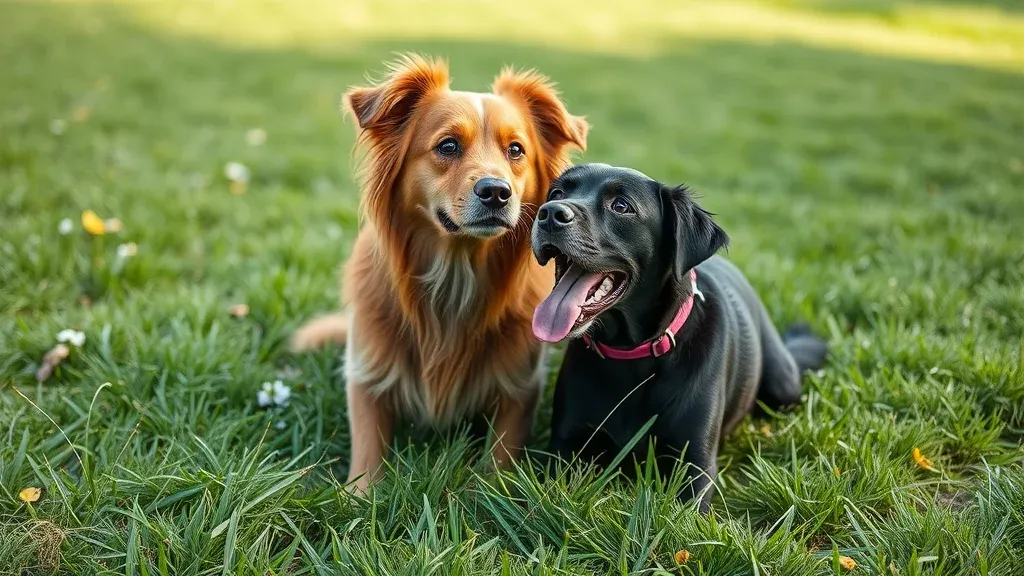
Do dogs try to speak to you? Understanding canine communication
Dogs are often called “man’s best friend,” and for good reasons. They offer companionship, loyalty, and love that is hard to match. But beyond their friendly demeanor, dogs have a unique way of communicating, and many wonder if they are actually trying to speak to us. Understanding canine communication can unlock a deeper relationship with your furry friend.
When you watch your dog bark, whine, or growl, you might wonder if they are truly trying to convey something. The truth is, dogs communicate in various ways that go beyond vocalizations. Here are a few key points to consider regarding how dogs attempt to communicate with their human companions:
- Vocalizations: Dogs make a range of sounds, including barking, growling, whining, and howling. Each of these sounds can have different meanings. For instance, a quick bark could signal excitement, while whining might indicate anxiety.
- Body Language: Dogs often use their bodies to communicate how they feel. A wagging tail usually signifies happiness, while a tucked tail can suggest submission or fear. Pay attention to your dog’s posture and movements as they can tell you a lot about their mood.
- Facial Expressions: Just like humans, dogs have a range of facial expressions that help convey their feelings. Raised eyebrows, relaxed lips, or a playful stance can all signal different emotions.
Many dog owners can attest to the way their pets seem to ‘talk’ to them, often responding to commands or even mimicking certain sounds. You might have noticed how your dog reacts when you say specific words, like “walk” or “treat”. This shows that dogs can learn cues and associate words with actions, which is a part of their communication skills.
Some research indicates that dogs have an exceptional ability to understand human emotions. According to a study published by Science Daily, dogs can read human facial expressions and have the capacity to respond appropriately to their owners’ feelings. For instance, if you are upset, your dog might come to you and offer comfort, which can appear like they are trying to speak to you in their own way.
Moreover, dogs also communicate with you through their behavior. If your dog brings you a toy, it could be a playful invitation to play. If they sit by the door, they might be indicating that they need to go outside, often trying to get your attention to fulfill that need.
Understanding these signals takes time and patience. Here are some tips to help you become more attuned to your dog’s communication:
- Observe Regularly: The more you observe your dog’s behavior and reactions in various situations, the better you’ll understand their way of communicating.
- Use Consistent Commands: When training your dog, use consistent words for each command and reward them for correct responses. This helps improve their understanding of your language.
- Engage in Play: Regular playtime can enhance communication. It allows you to gauge their reactions, preferences, and moods during interactive sessions.
Additionally, some dog breeds are more vocal than others. Breeds like Beagles and Huskies are often known for their vocal tendencies, while others may prefer subtlety. Understanding your dog’s breed can give you insight into their typical communication style.
It’s important to note that a dog’s attempt to “speak” is not merely about vocalizations. It encompasses a broader range of behaviors and signals that can express their feelings and needs. If you still have questions about canine communication, resources like The American Kennel Club (AKC) provide detailed insights.
Dogs do indeed try to communicate with you, but it is through a unique combination of sounds, body language, and behaviors. By being aware and attentive to these signals, you can deepen your relationship with your canine companion and foster a bond built on understanding and love.
The role of body language in dog communication
Understanding how dogs communicate is crucial for building a strong bond with them. A significant aspect of this communication is their body language. Dogs express their feelings and intentions through various physical signals. By being aware of these signals, you can better interpret what your furry friend is trying to convey.
Choosing the Right Stance
The position a dog takes can tell you a lot about its mood. Here are a few common stances:
- Relaxed Posture: When a dog is standing or lying down with a relaxed body, tail wagging gently, and ears in a neutral position, it usually indicates that the dog is calm and content.
- Alert Posture: If a dog stands tall, with its ears perked forward and tail raised, it may be curious about something or alert to its surroundings.
- Defensive Stance: A dog that is crouched low with a tucked tail and flattened ears might feel threatened or scared. This is crucial to notice to prevent any sudden outbursts.
Tail Wagging: More Than Just a Greeting
The way a dog wags its tail can indicate various emotions:
- Wide Wag: A full-arch wagging tail typically signals happiness and friendliness.
- Short, Quick Wags: These often show excitement or eagerness.
- Tight, Slow Wags: If a dog’s tail is wagging slowly and tightly, it may feel insecure or uncertain.
- Tail Between Legs: A tucked tail can indicate fear or submission, signaling that the dog may be uncomfortable.
The Eyes Have It
Dogs also communicate significantly through their eye behavior. Pay attention to your dog’s eyes:
- Soft Eyes: Dogs with relaxed, soft eyes are generally calm and approachable.
- Hard Stare: If a dog maintains a hard stare, it may be a sign of aggression or assertiveness.
- Averting Eyes: A dog that tends to look away or avoid eye contact may be feeling submissive.
Understanding Ears and Facial Expressions
The position of a dog’s ears can provide further insight into its feelings:
- Perked Ears: Ears that are upright and facing forward usually signify that the dog is alert and interested.
- Flopped or Droopy Ears: These may indicate a calm, relaxed state, or even tiredness.
- Backward Ears: Ears pulled back against the head can suggest fear or submission.
Vocalizations and Body Language Together
While body language plays a huge role, it often works in conjunction with vocalizations. Different dog sounds, such as barks, growls, and whines, paired with their body posture, enhance the information they convey. A low growl with a rigid body often indicates warning, while a high-pitched bark coupled with a wagging tail can show excitement.
Why Knowing Dog Body Language Matters
By understanding your dog’s body language, you can:
- Enhance your relationship with your pet by meeting their emotional needs.
- Recognize when they are uncomfortable or scared to ensure their safety.
- Avoid conflicts with other dogs or animals by noticing signs of aggression or anxiety.
Learn More About Dog Communication
For those interested in diving deeper into dog communication, several resources can provide more enlightenment. Websites like AKC and ASPCA offer great starting points.
Remember, while dogs may not speak verbally like humans, their body language expresses a rich tapestry of emotions and needs. By watching closely and learning what those signals mean, you can become a better communicator with your canine friend, leading to a more fulfilling relationship.
How vocalizations reveal a dog’s emotions and needs
Dogs are known for their incredible ability to communicate with humans, and their vocalizations are a significant part of that dialogue. You might notice that your furry friend vocalizes differently depending on the situation, and these sounds can reveal a lot about their emotions and needs. Understanding what these sounds mean can enhance your bond with your dog and help you respond effectively to their needs.
When dogs bark, whine, howl, or growl, they are expressing various feelings. Here’s a closer look at some common vocalizations and what they may indicate:
- Barking: This is perhaps the most common form of vocalization among dogs. While excessive barking can be annoying, it often serves a purpose. Dogs bark to:
- Alert their owner to strangers or unusual sounds
- Express excitement or playfulness
- Communicate discomfort or distress
- Whining: When dogs whine, it can indicate several emotions. Common reasons for whining include:
- Seeking attention or affection
- Feeling anxious or scared
- Wanting something, like food or to go outside
- Howling: Howling is a more primitive form of communication and can often be heard in breeds like Huskies or Beagles. Dogs may howl to:
- Gather attention from their humans
- Respond to music or other loud sounds
- Express loneliness or boredom
- Growling: This sound can indicate a variety of things. While it’s often a sign of aggression, it can also indicate:
- Fear or discomfort in a specific situation
- A warning to stay away from a resource (like food or a toy)
- Playfulness when combined with other body language cues
Recognizing these vocal cues is vital for responding to your dog’s needs effectively. For example, if your dog is barking at the door, they might be alerting you to a guest. If they are whining, it might be their way of asking for a walk or to play. Observing your dog’s body language can provide additional context to their vocalizations.
In addition to these sounds, the context in which your dog makes them is critical. For instance:
| Vocalization | Context | Possible Emotion |
|---|---|---|
| Barking | When you arrive home | Excitement |
| Whining | During a thunderstorm | Fear |
| Howling | When music plays | Engagement |
| Growling | When approached while eating | Defensiveness |
Understanding vocalizations is not just about recognizing the noises your dog makes. It’s also about understanding the environment that triggers these sounds. A well-socialized dog will often vocalize less in stress-inducing situations as they feel more confident in their surroundings. Conversely, a dog that lacks socialization might bark excessively or whine from anxiety.
You should also consider external factors that might affect your dog’s vocalizations. For instance, boredom can lead to more whining or barking as dogs seek your attention or companionship. Engaging them in regular play and exercise can significantly reduce unwanted vocalizations. Additionally, creating a comfortable and safe space can help ease anxiety and, in turn, lower their vocal responses.
Furthermore, different breeds have distinct tendencies in their vocalizations. For example, some breeds are bred for herding and have a louder vocal presence compared to others that may be more reserved. Understanding your specific breed’s characteristics can offer insights into their typical vocal behavior.
By paying attention to your dog’s vocalizations and the context in which they occur, you can develop a better understanding of your pet’s emotional landscape. Not only does this foster a closer bond between you and your dog, but it also enhances their overall wellbeing. For further reading about dog behaviors and vocalizations, check out the resources at the American Kennel Club and ASPCA.
The importance of understanding your dog’s unique “voice.”
Understanding your dog’s unique “voice” is vital for building a strong bond with your furry friend. Dogs communicate not just through barking, but also through different sounds, body language, and facial expressions. Recognizing these cues can enrich your relationship and ensure your pet’s needs are met.
Every dog has its own personality, and this is reflected in how they communicate. For some, a soft whine may mean they are relaxed, while for others, it might signal anxiety. Paying close attention to these vocalizations helps you understand what your dog is trying to tell you. Here are some important vocalizations to listen for:
- Barking: Dogs bark for various reasons. A high-pitched bark often indicates excitement or playfulness, while a lower, more guttural bark may signify warning or aggression.
- Whining: If your dog whines, it could mean they want something, like attention or to go outside. It can also mean they are feeling anxious or uncomfortable.
- Growling: Growling is often a warning sign. Your dog may feel threatened or irritated. Always approach a growling dog with caution.
- Howling: This ancient form of communication can mean your dog is seeking attention or expressing loneliness.
Aside from vocalizations, your dog’s body language plays a critical role in their communication. Here are some body signals to keep an eye out for:
| Body Language | Meaning |
|---|---|
| Tail wagging | Indicates happiness or excitement. The speed and position of the wag can also provide context. |
| Ears pinned back | Often a sign of submission or fear. Your dog may feel threatened in this position. |
| Relaxed body posture | Indicates that your dog feels safe and comfortable. They are ready to interact and play. |
| Bare teeth | This can be a sign of aggression or a warning. Approach with caution. |
Understanding these signals requires time and attention, so be patient. Observe your dog in different situations and take notes of their reactions, facial expressions, and sounds. This will help you establish a clearer context of their communication style. The American Kennel Club offers resources to aid you in recognizing these communicative behaviors effectively.
Your dog’s unique “voice” not only reflects their emotional state but also helps you understand their needs better. When you begin to comprehend your dog’s communication style, you’ll notice improvements in their behavior and your ability to respond appropriately. For example, if your dog starts barking because they see a stranger, understanding this can help you reassure them and calm their fears. Ensuring they feel secure is possible when you respond to their “voice” accurately!
Consider also the specific breeds that demonstrate unique vocal traits. For example, some breeds like Beagles and Basset Hounds are known for their distinctive voices. Understanding these traits can improve interactions within mixed groups of dogs as well. Recommendations about breeds can be found at the American Kennel Club’s dog breeds page.
Don’t forget that every experience your dog has shapes how they communicate. Their history, socialization, and even training experiences can influence their unique voice. Maintain a positive environment where open communication can thrive. Regular training sessions focusing on voice commands can help you understand what tone your dog responds to best.
By investing time in understanding your dog’s unique voice, you can significantly enhance your bond. This understanding can lead to improved training outcomes, greater happiness for both of you, and a deeper emotional connection. Tune in to the linguistic expressions of your furry companion; it’s a rewarding avenue that will lead to a more harmonious relationship.
Ultimately, the more you communicate with your dog, the better you both will understand one another. So, pay attention to those barks, whines, and growls—they’re your dog’s way of speaking to you!
Comparing canine vocalizations to other pets: What’s different?
When it comes to pet communication, dogs are often seen as the most vocal of all household companions. Their various sounds, from barks to whines, create an engaging dialogue between them and their human friends. While dogs are highly expressive, it’s interesting to compare their vocalizations to what cats, birds, and other pets do. Each species has its unique way of communicating that reflects its natural instincts.
Canine Vocalizations Overview
Dogs primarily communicate through barking, growling, whining, and howling. Each sound serves a specific purpose:
- Barking: Dogs bark for numerous reasons, including alerting their owners to potential threats, expressing excitement, or seeking attention.
- Whining: This vocalization often indicates a need for something, whether it’s food, companionship, or a desire to go outside.
- Growling: A growl can signal displeasure or serve as a warning not to approach.
- Howling: This expressive sound can be a reaction to various stimuli, including music or the sounds of other dogs.
Comparing Cats and Their Vocalizations
Cats communicate in ways that differ significantly from dogs. While barking is a distinct feature of canine communication, felines utilize a combination of meowing, purring, and hissing:
- Meowing: Cats often reserve their meows for communicating with humans rather than with other cats. These sounds can signify needs or feelings.
- Purring: This soothing sound typically indicates contentment, but it can also serve as a self-soothing mechanism when in distress.
- Hissing: A hissing cat is expressing fear or aggression; it’s a clear warning indicating that the cat feels threatened.
Bird Communication Versus Canine Sounds
Birds are another fascinating creature to consider when looking at vocalizations. They use song and squawking to communicate, which is distinct from the sounds made by dogs:
- Song: Many birds sing to attract mates or establish territory, creating beautiful melodies often filled with intricate notes.
- Squawking: This harsh sound can indicate alarm or excitement and serves a function similar to barking in dogs.
Small Mammals and Their Sounds
Small pets such as hamsters or guinea pigs also have their own methods of vocalization:
- Whistling: Some small mammals, like guinea pigs, can produce a whistling sound that is a form of greeting or sign of happiness.
- Squeaking: Hamsters may squeak in response to various stimuli, often indicating stress or discomfort.
Understanding Body Language
While vocalizations play a crucial role in pet communication, it’s equally essential to consider body language. Dogs use posture and movement to express feelings:
- Tail Wagging: A wagging tail doesn’t always mean happiness; it can indicate excitement or even anxiety, depending on the wag’s speed and height.
- Ear Position: Ears pointing forward usually signal interest, while ears pinned back often indicate fear or discomfort.
: Recognizing Unique Communication Styles
Understanding the differences in vocalizations among dogs, cats, birds, and small mammals can greatly enhance your relationship with your pets. Dogs may be more vocal and expressive when compared to other pets, yet each animal has its own unique way of communicating its needs and feelings. To deepen your knowledge, consider exploring resources from websites such as American Kennel Club and Humane Society. Learning to recognize these signals can help you become a better pet owner, ensuring that you respond effectively to your furry (or feathered!) friends.
Techniques to improve your interaction with your dog
Creating a strong bond with your dog involves understanding their behavior and communicating effectively. Many dogs express their needs and emotions, and improving your interaction requires attention to their signals. Engaging in positive and meaningful exchanges will deepen your relationship with your furry friend.
Learn to Recognize Body Language
Dogs communicate significantly through their bodies. By observing their posture, you can gauge their feelings. Here are some common signals:
- Tail Position: A wagging tail often indicates happiness, while a tucked tail can suggest fear.
- Ears: Erect ears signal alertness, while drooping ears may indicate submission or fear.
- Muzzle: A relaxed muzzle indicates comfort, while tense muscles can signal stress.
By understanding these cues, you can respond more appropriately to your dog’s needs. For example, if your dog shows signs of anxiety, you can provide comfort or a safe space for them to relax.
Use Positive Reinforcement
Encouraging good behavior through positive reinforcement is an effective method for improving communication. Here’s how:
- Reward Good Behavior: Use treats, praise, or playtime when your dog follows commands or exhibits good behavior.
- Be Consistent: Always reward the same behaviors to reinforce learning.
- Timing Matters: Give rewards immediately after the desired behavior to help your dog make connections.
This approach not only helps dogs learn but also strengthens the bond between you two. They feel more secure knowing that good behavior leads to positive outcomes.
Engage in Training Activities
Training isn’t just about discipline; it’s a form of communication. Through training, you establish clear expectations. Here’s how to make training more effective:
- Keep Sessions Short: Dogs have short attention spans, so 5 to 10-minute sessions work best.
- Incorporate Play: Turn training into a fun game. Use toys or games that your dog enjoys to maintain their interest.
- Utilize Online Resources: Websites like [The Humane Society](https://www.humanesociety.org) offer helpful tips and techniques that can enhance your training experience.
Dedicate Time for Bonding
Spending quality time together strengthens the bond you share. Consider these activities:
- Daily Walks: Regular walks are essential for physical exercise and mental stimulation for your dog.
- Grooming Sessions: Grooming not only keeps your dog clean but also offers a good opportunity for close interaction.
- Playtime: Engaging in games can reveal a lot about your dog’s personality while enhancing your relationship.
Be Mindful of Your Tone
Your tone of voice conveys a lot to your dog. A gentle tone can reassure them, while a stern voice may indicate displeasure. Here are tips to enhance your communication:
- Use Positive Tones: Use encouraging and upbeat tones when your dog performs well.
- Avoid Harshness: Refrain from yelling as this may frighten your dog and hinder communication.
- Match Your Excitement: If your dog gets excited, reciprocate that energy through your tone and demeanor.
This practice creates an environment filled with trust and safety, encouraging your dog to express themselves openly.
Utilize Technology
Technology can also enhance your interactions. Devices like pet cameras allow you to monitor your pet’s behavior while you’re away. You can find valuable insights into your dog’s habits and preferences. Check out resources like [PetMD](https://www.petmd.com) for reviews on the best tech gadgets for dogs.
Additionally, training apps can help keep you organized and track your dog’s progress in learning commands. Using technology in these ways creates a modern approach to age-old practices of nurturing and caring for your dog.
Improving your interaction with your dog is an ongoing process. By paying close attention to their body language, using positive reinforcement, engaging in training, dedicating time for bonding, and leveraging technology, you can foster a healthier, more communicative relationship with your furry companion. Not only will this improve their behavior and happiness, but it will also bring you closer to them, making your time together truly enjoyable.
Signs that your dog is trying to communicate a specific message
Dogs are more than just pets; they are beloved companions who form deep connections with us. Understanding what your dog is trying to communicate can enhance your relationship and promote a harmonious living environment. Dogs utilize a variety of signals, including vocalizations, body language, and behaviors, to convey their feelings and needs. Here are some key signs that your dog is trying to communicate a specific message.
Vocalization
One of the most immediate ways your dog communicates is through vocalization. Different sounds can signify different messages:
- Barking: While barking can simply mean a greeting, excessive barking may indicate excitement, frustration, or anxiety.
- Growling: A low growl can signify discomfort or a warning. It’s important to pay attention and assess the situation to understand what is bothering your dog.
- Whining: Whining often indicates distress, a need for attention, or even a request for playtime or potty breaks.
Body Language
A dog’s body language can tell you a lot about their emotions. Observing their posture, tail position, and facial expressions can help decipher their feelings:
- Tail Position: A wagging tail generally indicates happiness, but a high, stiff tail can signal alertness or aggression. A tucked tail suggests fear or submission.
- Ears: Ears that are perked up may suggest curiosity, while ears that are pulled back can indicate fear or submission.
- Mouth: A relaxed mouth in a dog often indicates that they are comfortable. Conversely, a closed mouth and stiff lips can be a sign of stress or discomfort.
Physical Actions
Your dog may also use physical actions to communicate specific messages. Pay attention to frequent behaviors and what triggers them:
Leaning against you or nudging your hand is their way of asking for pets or affection.
Facial Expressions
Facial expressions can also serve as important indicators of your dog’s feelings. Look for these signs:
If your dog’s eyes are wider than usual, they might be anxious or alert. Narrowed eyes may indicate discomfort or aggression. A dog might lick their lips to indicate stress or a desire to calm themselves in a tense situation.
Understanding Context
It’s vital to understand that your dog’s communication is contextual. Always consider the environment and circumstances surrounding their messages. For example, if your dog is barking at a stranger approaching your home, they might be alerting you to a perceived threat.
Additionally, monitoring how your dog behaves in different situations—like during mealtime or outdoor walks—can provide insights into their communication style. If you’re still unsure, it may be beneficial to consult resources that specialize in dog behavior.
Resources for Further Reading
If you’re interested in diving deeper into the fascinating world of canine communication, consider visiting or checking out these resources:
- American Kennel Club on Dog Communication
- ASPCA: Understanding Your Dog’s Communication
- Canine Journal: Understanding Dog Body Language
Recognizing these signs and understanding what your dog tries to communicate can strengthen your bond and enrich your life together. Always take the time to observe and respond to your dog’s signals, ensuring they feel heard and understood.
Key Takeaway:
Key Takeaway: The Depth of Canine Communication
Understanding whether dogs try to speak to you involves delving into the fascinating world of canine communication. Dogs are adept communicators, using a combination of vocalizations and body language to express their feelings, desires, and messages. By paying attention to these signals, you can strengthen your bond with your furry friend and enhance your relationship.
First, recognizing the role of body language is essential. Dogs often use their posture, tail position, and facial expressions to convey what they’re thinking or feeling. A wagging tail might indicate excitement, while a lowered head could signal submission or fear. Understanding these cues helps you interpret your dog’s mood and enhances effective communication.
Vocalizations also play a crucial role. Dogs bark, growl, whine, and howl for various reasons, each sound carrying specific meanings. For instance, a high-pitched bark may indicate playfulness, while a deep growl might serve as a warning. Being attuned to these vocalizations enables you to identify their emotions or needs more accurately, allowing for a quicker response to your dog’s wants or concerns.
Additionally, each dog has a unique "voice," shaped by its personality, breed, and experiences. This individuality means that what one dog expresses through a certain bark may differ from what another does. Taking the time to learn your dog’s specific vocalizations can help bridge the gap in communication, ensuring you respond appropriately to their messages.
When you compare canine vocalizations to those of other pets, like cats or birds, you’ll notice that dogs are generally more vocal and expressive. Understanding this unique aspect of canine communication can elevate your pet care game.
Improving your interactions with your dog is crucial. Techniques such as positive reinforcement training, engaging play, and consistent routines create a stronger communicative bond. Recognizing signs that your dog is trying to convey a specific message, whether it’s a need for attention, food, or to go outside, can significantly improve your relationship with your pet.
Dogs indeed try to speak to you, and by being observant and responsive to their unique communication styles, you can foster a more meaningful connection with your loyal companion.
Conclusion
Understanding whether dogs try to speak to you opens up a world of canine communication that is rich and complex. Dogs may not have language like humans, but they certainly have their own unique ways of expressing thoughts and feelings. Recognizing their body language plays a crucial role in interpreting their silent signals. A wagging tail, for instance, can indicate joy, while stiff posture might suggest fear or aggression.
Vocalizations such as barking, whining, and growling are essential tools in revealing a dog’s emotions and needs. Each sound carries specific meanings, and learning to decode your dog’s vocal palette is vital. Just as every dog has its unique personality, each one also has its distinct “voice.” Understanding your dog’s nuances can deepen your bond, allowing you to respond more effectively to their needs.
When comparing canine vocalizations to those of other pets, dogs express themselves with a diverse range not typically seen in cats or birds. This difference underscores the special connection we have with our dogs. Engaging in techniques to improve interaction can be an enriching experience for both you and your pet. Simple actions, such as eye contact, positive reinforcement, and attentive listening, can significantly enhance communication.
Being aware of the signs that your dog is trying to convey a specific message is key to fostering a trusting relationship. By taking the time to understand how your dog communicates, you can respond more effectively, creating a harmonious environment that benefits both you and your furry companion. Remember, in the world of dogs, clear communication leads to a happy and fulfilling companionship.

Author: Dog Parks Directory UK
About DogParksNearMe.Pet DogParksNearMe.Pet was created with one simple goal: to make life easier for dog owners and dog lovers who want to find the perfect place for their pups to stretch their legs, chase a ball, or just enjoy the great outdoors. Whether you're after a spacious dog-friendly park, planning a picturesque walk, or simply hunting down a green spot where your furry friend can have a runaround, you're in the right place. As dog lovers ourselves, we know how important it is to give our dogs the freedom, fun, and fresh air they deserve. That’s why we’ve built an easy-to-use platform to help you discover dog parks near you, explore scenic walking spots, and uncover the best outdoor spaces across the UK – from peaceful countryside trails to buzzing city parks. Think of us as your go-to guide for dog-friendly locations. And while we’ve tracked down some cracking spots, we know there’s always more to sniff out. If your favourite dog park isn’t listed, don’t worry – you can add it to the site for free in just a few clicks. It’s quick, simple, and helps fellow dog lovers find their next favourite walk too. Free Listings – Always…