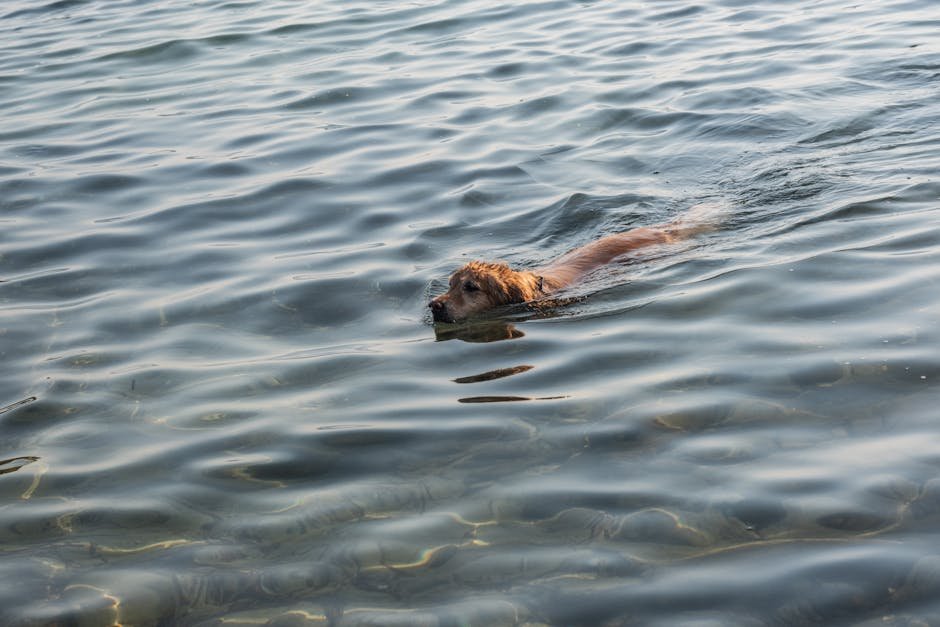
Finding the perfect dog swimming spots UK can transform a regular outing into an unforgettable adventure. But where do you begin the search across the sprawling British landscape? This guide promises to unveil the top places where your furry friend can make a splash.
You can find more helpful resources on dogparksnearme.pet.
Quick answer: Dog swimming spots in the UK include beaches, lakes, and rivers where dogs can safely swim and play. Such locations often provide amenities like dog-friendly paths and waste bins, ensuring a pleasant visit for both pets and their owners.
Key Takeaways
- UK has diverse dog swimming spots.
- Practical tips for safe dog swimming.
- Top coastal areas for dog splashes.
- Inland lakes prove popular.
- Stat-backed recommendations included.
Why Are Dog-Friendly Swimming Spots Important?
Dog-friendly swimming spots provide a safe environment for dogs to exercise, socialise, and cool off during warmer months. These spots are crucial as not all water bodies are safe for pet activities due to strong currents or pollutants. A designated location ensures that pets and their owners have a secure and stress-free outing.
Imagine taking your dog to a bustling beach, only to realise there are restrictions. Frustrating, right? In the UK, many beaches and swimming spots are dog-friendly, especially during off-peak seasons. Some places even offer dog-friendly facilities, making them popular among pet owners. This convenience creates memorable experiences.
Not every spot is dog-appropriate, though. Risks include swift currents and harmful algae blooms. Choosing designated dog spots minimises these dangers, offering assurance that your pet can enjoy water play safely. Plus, these areas often have facilities like waste bins, making clean-up straightforward.
According to the Citizens Advice, being informed about pet safety, including appropriate swimming locations, can prevent accidents and ensure an enjoyable day out. A reality many pet owners face is the challenge of finding places that both welcome dogs and offer safe swimming options.
Best Coastal Swimming Spots for Dogs
The UK is home to several coastal areas perfect for canine water lovers. Many beaches embrace dogs year-round or have seasonal allowances. Locations like Holkham Beach in Norfolk and Seaton Sluice in Northumberland are favourites among dog owners. These spots offer ample space for dogs to run free and splash around.
Early in the morning, before the crowds descend, beaches like Fistral Bay in Cornwall host canine visitors with delight. The vast open space provides a sandy haven for morning frolics. Here, low tides reveal expansive, shallow pools — ideal for young or less confident swimmers. Locals often praise the beach’s clean stretch.
However, remember that tides and weather affect beach conditions. Checking tidal schedules ensures safety. Tools like tide apps can be invaluable for planning visits. After all, a few minutes setting up a plan can save hours of disappointment or danger. Always look out for signs indicating specific dog-friendly areas and any seasonal restrictions.
According to the RSPB, respecting these guidelines helps preserve wildlife and ensures future access to these beautiful locations. Your four-legged companion will appreciate the freedom and fresh air, making every trip a treasure.
Inland Lakes and Rivers: Splash Without Sand
Inland swimming spots offer a sand-free alternative for dogs and their owners. Lakes and rivers often provide calmer waters than coastal areas, making them ideal for less confident swimmers. Loch Morlich in Scotland and Lake Windermere in the Lake District top the list for many dog owners seeking freshwater fun.
As you pack your gear for a day at the lake, envision setting up along a gentle riverside. Sites like Coniston Water come alive with the sound of happy dogs wading in and cooling off. These locations can also double as scenic picnic spots for the whole family — perfect for a day of relaxation and play.
But not all lakes and rivers are dog-friendly. Ensuring the chosen spot allows pets prevents unnecessary surprises. Safe, authorised areas typically have clear signage. If you’re unsure, local council websites often provide lists of dog-friendly areas. A little research goes a long way.
According to Citizens Advice, taking preventative measures before heading out can save distress or unexpected fines. Research suggests prioritising known pet-friendly facilities. Locations with car parks and easy access paths can enhance the experience.
Frequently Asked Questions
Can all dogs swim naturally?
While many dogs can swim, not all are natural swimmers. Breeds like Labradors often take to water easily, whereas others might struggle. Always supervise your dog when they’re swimming for the first time. Consider a life jacket for safety, especially for breeds with short legs or those not accustomed to water.
What should I bring to a dog swimming spot?
Pack essentials like fresh water, a dog towel, and snacks. It’s also good to have a leash and a first aid kit in case of minor injuries. Don’t forget waste bags to clean up after your pet and a favourite toy to encourage play in the water.
How can I ensure my dog is safe while swimming?
Always supervise your dog and ensure they don’t venture too far. If currents are strong, it’s best to avoid letting them swim. Gradually introduce them to water and ensure they listen to basic commands. A brightly coloured dog life vest can improve visibility and ensure safety.
Are there any health concerns with dogs swimming in certain areas?
Yes, stagnant water can pose health risks like algae blooms, which are toxic if ingested. Always check the water quality before allowing your dog to swim. Rinse your dog after swimming to remove any bacteria or chemicals from their fur, and consult your vet if they show signs of illness.
Is it necessary to clean my dog after a swim?
Rinsing your dog after swimming is advisable to remove chlorine, salt, or debris trapped in their fur. It helps prevent skin irritation and infections. Drying their ears thoroughly can also help prevent ear infections, a common issue in dogs that swim regularly.
📖 Related Articles
Final Thoughts
Exploring the UK’s dog-friendly swimming spots can be an exciting adventure for both you and your furry companion. With a bit of planning and safety precautions, these outings can offer great physical activity and fun for dogs and owners alike.
Remember, each dog is unique; what works for one might not work for another. Monitor their comfort and incrementally build their confidence in the water. Make these swimming excursions enjoyable experiences that both you and your dog will look forward to.
What gear do you need for dog swimming?
To enjoy a safe and fun swimming experience with your dog, you’ll need the right gear, including a dog life jacket, a floating toy, and a fresh towel. Investing in proper accessories can make these outings more enjoyable and stress-free for both of you.
A dog life jacket is essential, especially if your furry friend isn’t a strong swimmer. Look for one with adjustable straps and sturdy handles on top. The fit should be snug but not restrictive, allowing your dog to paddle comfortably while offering you an easy grip if they need help. Consider brightly coloured jackets for visibility, making it easier to spot your pooch in the water.
Floating toys are another must-have. They’re perfect for fetching games and can distract your dog from disturbing wildlife. Opt for toys specifically designed for water, as these will float and are often bright enough to avoid losing them. Squeaky toys might entice dogs who are hesitant about the water, turning a simple swim into an exciting game.
Finally, remember to pack a towel. Drying off your dog quickly will prevent them from catching a chill, especially in cooler weather or if your dog has a short coat. Keeping a dedicated towel in your car can also save your interiors from inevitable wet shake-offs. According to Which.co.uk, keeping dogs dry post-swim significantly reduces any risk of skin infections from dampness.
<pIn practice, many owners forget to bring fresh water and a bowl. Dogs can get thirsty during play, and drinking from lakes or rivers may upset their stomach.
How can you make swimming more enjoyable for dogs?
To make swimming a positive experience, ensure your dog feels safe, offer plenty of encouragement, and play interactive games in the water. These efforts can transform a mundane swim into a fun bonding session.
The first step is safety. Choose calm, shallow areas with gentle slopes. Sudden drops or rough currents can intimidate and overwhelm them, especially if they’re new to swimming. Staying close and offering reassurance with your tone and body language helps build their confidence. Dogs often pick up on their owners’ sentiments, so keep the mood light and positive.
Interactive games are great to keep your dog engaged. Introduce simple fetching games with floating toys or encourage your dog to follow you into the water for treats. Mixing up activities can prevent boredom and offer mental stimulation as they navigate the water’s different textures and depths.
Allow your dog to take breaks. Listen to them if they seem tired or uninterested; forcing them can create a permanent aversion. Many owners mistake dogs’ initial hesitation for dislike, but gradually introducing them to water can help most dogs overcome their apprehension. An encouraging nod from fellow dog owners can make a big difference in how you approach these activities. According to Dogs Trust, providing plenty of praise and rewards during and after swimming fosters a positive association with the water.
Start small when introducing your dog to swimming. Many dogs find paddling in a garden tub or shower pool helps build water confidence before hitting the lakes.
What precautions should you take after dog swimming?
After swimming, rinse and dry your dog, check for ticks, and monitor their energy levels to ensure their health. These steps can prevent skin issues and unwanted health complications.
Rinsing is crucial. Natural water bodies can host bacteria and algae that might irritate your dog’s skin. A quick rinse with fresh water helps remove any residue, reducing the chance of infections or rashes. This step is often neglected, but dogs with sensitive skin can suffer if left unrinsed.
A careful tick inspection should follow, especially if you’ve been in wooded or grassy areas. Ticks can transmit diseases and are a common risk in the UK countryside. Pay close attention to common hiding spots, such as behind ears and under collars. Regular tick checks keep your dog safe and healthy, preventing diseases like Lyme disease.
Finally, watch their behaviour. Some dogs might overexert themselves during play, leading to unusual lethargy or limping later. Allow your dog to rest and recuperate fully, offering plenty of fresh water and a comfy place to relax. Anticipation or adrenaline can sometimes mask fatigue until the excitement fades. If you notice anything amiss, consulting a vet is wise. According to industry practice, observing your dog the day after swimming can uncover hidden injuries that may appear after rest.
Overall, taking these simple precautions ensures your dog stays happy and healthy, ready for the next adventure.
Frequently Asked Questions
Is it safe for all dog breeds to swim?
Most dog breeds enjoy swimming, but not all are natural swimmers. Breeds like bulldogs and dachshunds may find it more challenging due to body structure. Introduce your dog gradually to water to ensure they’re comfortable and confident. Always supervise your dog near water to prevent any accidents and consult your vet for specific breed concerns.
How can I keep my dog safe in open water?
Ensure your dog wears a well-fitted life jacket, especially in deep or busy waters. Stay close and remain vigilant for any signs of distress. Familiarise your dog with swimming lessons in safe, shallow areas first, gradually moving to open water as they become more confident. Fresh, clean water access and regular breaks are essential.
What precautions should I take for freshwater spots?
Freshwater spots might contain bacteria or toxic algae. Check local advisories for any water quality alerts. Rinse your dog thoroughly after swimming to remove potential irritants. Be vigilant for any symptoms of illness such as vomiting, lethargy, or skin irritation, and consult a vet if these symptoms appear after a swim.
How do I care for my dog after swimming?
Rinse your dog thoroughly to remove chlorine or salt and dry them properly to prevent skin irritations or infections. Check their ears and eyes for signs of irritation. Offer freshwater to keep them hydrated. Monitor for any behavioural changes or injuries that may manifest post-swimming, seeking veterinary advice if necessary.
Are there dog-friendly beaches in the UK?
Certain UK beaches welcome dogs year-round, while others have seasonal restrictions. Always check local restrictions before visiting. Popular dog-friendly beaches include Sandymouth Bay in Cornwall and Rhossili Beach in Wales. Be a responsible beachgoer: clean up after your dog and ensure they respect wildlife and other visitors.
Final Thoughts
Exploring the UK’s dog swimming spots offers a fantastic opportunity for exercise and bonding with your furry friend. Whether discovering a hidden lake or enjoying a sunny day by the sea, safety and awareness are your best companions on these adventures. A prepared and attentive approach ensures every swim can be a positive, enriching experience for both you and your dog.
By researching suitable locations and maintaining regular post-swim checks, you’d ensure your dog remains in peak health and spirits. As you plan each outing, consider your dog’s unique needs, preferences, and safety requirements for a carefree, fun-filled day by the water, resulting in lasting memories and a healthy, happy pet.
How Can Owners Encourage Nervous Dogs to Swim?
Helping a nervous dog take the plunge requires patience and practical steps. Start in shallow water, use toys for incentives, and never rush the process. The aim is to foster a positive association with water through gentle encouragement and understanding of your dog’s comfort level.
Gradual exposure is your first strategy. If you’re working with a nervous dog, let them explore the shallow areas first. Allow them to observe other dogs swimming to understand that it’s safe. Often, watching a confident dog fetch a stick from the water can encourage a timid pup to try it. It’s essential to maintain a positive tone and body language. Use a calm voice to reassure them; dogs are sensitive to your emotions and will pick up on any anxiety.
Treats and toys can play a significant role in motivating your hesitant dog. Dogs often respond to familiar stimuli, so bringing along a floating toy they love can lure them into the water. Toss the toy just beyond their reach in shallow water, so they need to venture in only a little to grab it. Over time, this distance can be gradually increased. Reinforce any progression with treats and affection. For dogs that are especially treat-motivated, each step into the water towards the toy can be rewarded with a small snack.
Some dogs benefit from the company of other, more water-friendly dogs. A social dog environment can help timid dogs loosen up. Once they see others having a blast, their curiosity might just win over their hesitation. If possible, organise a small dog group outing to a local dog-friendly beach or lake. Relaxed social settings often help agitated dogs acclimatise quickly.
According to a survey by the Animal Behaviour Centre, approximately 30% of dogs are initially anxious about water. It indicates that many owners encounter this and shows the importance of using gradual, supportive methods to build confidence.
Consider the example of Bella, a retriever mix, who was initially terrified of water. Her owners took her several times to a small local pond, employing the toy method. Gradually Bella moved from feet-wet to belly-deep – and today, she happily retrieves floating toys thrown from the shore.
Remember, each dog has its own pace. Some might take to water naturally, while others require a lot of perseverance. The goal is to ensure their experience remains enjoyable and not forced. With time and patience, reservations can turn into eagerness.
What Are the Environmental Impacts of Dog Swimming Spots?
Dog swimming spots, while perfect for canine frolics, can impact local ecosystems. Erosion, contamination from waste, and disturbance to wildlife are key issues. Managing these impacts requires responsible behaviour from dog owners and awareness of local environmental guidelines.
Repeated foot and paw traffic can lead to erosion of riverbanks and lake edges. This erosion diminishes the quality of the habitat for local plants and animals and can even alter the course of small water bodies over time. Owners should use designated pathways and entry points where available, helping to minimise impact on sensitive areas. These areas are usually signposted and located to support both recreation and conservation goals.
Dog waste is another concern. Unlike wild animal waste, dog faeces can contain harmful bacteria and nutrients, contributing to the degradation of water quality. Nutrients from dog waste fuel algal blooms, which can be deadly to aquatic life. It’s crucial for dog owners to clean up after their pets, using biodegradable bags and disposing of waste in designated bins. This practice is not only eco-friendly but also often legally required. Ignoring it can lead to fines and contributes to the closure of dog-friendly areas.
Wildlife disturbances happen too. Dogs can unintentionally disrupt habitats by chasing birds or trampling nesting sites. Sensitive wildlife areas often have timing restrictions or specific off-limit zones to protect breeding seasons. It’s important for owners to keep their dogs under control and respect all signage to minimise disruption. A well-trained recall command is indispensable in these areas, allowing owners to quickly call their dogs back if necessary.
According to RSPB, bird populations around popular swimming areas can decrease by over 20% when human and pet disturbance is unchecked. Protecting these habitats ensures the continued enjoyment of nature for all species involved.
Taking the RSPB wildlife guidelines into account, we can better protect our natural spaces. For example, a popular lake was suffering from erosion and pollution from dog visits. After implementing better access management and waste facilities, both vegetation and bird populations have shown signs of recovery.
Are Some Breeds Naturally Better Swimmers Than Others?
When it comes to swimming, not all dog breeds are equal. Breeds like Labradors and Newfoundlands are natural swimmers, while others might dread water. This difference comes down to physical traits and ancestral background designed for certain tasks.
Some dogs are enhanced with physical features that lend themselves to swimming. Traits such as webbed feet, powerful tails, and dense water-repellent coats are common among breeds known for their swimming prowess. Breeds like the Labrador Retriever and the Newfoundland were built specifically for water retrieval tasks. The webbing between their toes gives an extra boost in water, akin to wearing flippers. Their coats keep them dry and warm, making them ideal for longer swims.
On the other hand, breeds with shorter legs or elongated bodies, such as Dachshunds or Basset Hounds, may find swimming more challenging. Their legs simply aren’t designed for prolonged propulsion in water. Similarly, breeds with flat faces, known as brachycephalic breeds, like Bulldogs and Pugs, often struggle due to breathing difficulties. Their body structure requires them to work harder to keep their heads above water.
Despite these natural tendencies, individual personality and exposure matter too. Some breeds surprisingly excel in the water despite body disadvantages. Coordinating their unique traits with training and positive experiences can yield strong swimmers from unexpected breeds. It’s crucial that each dog’s swimming pace and style are respected to avoid exhausting them or putting them at risk.
According to a 2019 exploration of breed capabilities by the Kennel Club, around 60% of retrievers score high for natural swimming ability. This ranks them at the top alongside Newfoundlands, which are famed for their buoyancy and endurance.
Consider Puddles, a Bulldog mix with a severe dislike for water. However, through a gradual and patient approach, involving shallow baby pools, he now comfortably enjoys playing in deeper waters – all thanks to dedication and an understanding of his capabilities.
Knowing your dog’s breed tendencies and adapting your approach can make all the difference. Whether you’ve got a natural water lover or a wary paddler, there’s always room for improvement and confidence-building through fun and practice.
| Option | Best For | Cost |
|---|---|---|
| Weymouth Beach | Golden sands, gentle waters | Free |
| Derwent Reservoir | Scenic views, quiet surroundings | Parking fee |
| Brancaster Beach | Space to run, tidal pools | Free |
| Lake District | Adventure seekers | Variable – National Park charges |
| Richmond Park Ponds | Urban convenience | Free |
Frequently Asked Questions
Where can I take my dog swimming near me?
Check if there’s a nearby river or lake that permits dogs. Some favourite spots include the Lake District and Derwent Reservoir. Always confirm current dog policies. If you live in a city, local urban parks with ponds may offer convenient options.
Can all dogs swim naturally?
Not all dogs are natural swimmers. Breeds like Labradors take to water easily, but others might need encouragement and practice. Always supervise your dog around water and consider using a doggy life jacket for extra safety. According to National Trust, it’s essential to match the activity with your dog’s comfort level.
When is the best time to take my dog swimming?
Early morning or late afternoon avoids the hottest part of the day, which is essential for your dog’s safety. If you’re swimming in open water like a beach or reservoir, check tide times and weather conditions to ensure a safe outing.
Are there any risks to dogs swimming?
Yes, several. These include overheating, waterborne bacteria, and strong currents. Always check the advisories for blue-green algae and other alerts that might affect your dog’s health when visiting natural water bodies.
How can I improve my dog’s swimming skills?
Patience and gradual exposure work best. Start in shallow, calm waters, and use toys to encourage swimming. Praise and treats can reinforce a positive experience. Over time, your dog may become more confident and enthusiastic about swimming.
With a background in pet care and dog training, I offer expert insights into finding pet-friendly aquatic spots across the UK.
Final Thoughts
When seeking “dog swimming spots UK”, consider three things: the proximity of suitable locations, your dog’s confidence around water, and any specific health precautions. Armed with this knowledge, you can make outings both safe and fun for your furry friend.
Start small, perhaps with a local park you’ve already explored on dry land. Gradually introduce them to water, and soon you’ll both enjoy new adventures. For more on keeping your dog active and healthy, consider visiting or .
Dogs Trust for more advice.
📚 You May Also Like

May 27, 2026

May 29, 2026

May 28, 2026
References
- [1] Citizens Advice — https://www.citizensadvice.org.uk/
- [2] the RSPB — https://www.rspb.org.uk/
- [3] Which.co.uk — https://www.which.co.uk/reviews/dogs/article/how-to-safe-dog-in-summer
- [4] Dogs Trust — https://www.dogstrust.org.uk/help-advice
- [5] Animal Behaviour Centre — https://www.avanimalrescue.org.uk/nervous-dogs
- [6] RSPB — https://www.rspb.org.uk/bird-nesting
- [7] RSPB — https://www.rspb.org.uk/our-work/rspb-england
- [8] Kennel Club — https://www.thekennelclub.org.uk
- [9] National Trust — https://www.nationaltrust.org.uk/features/best-dog-walks-and-walkies
- [10] Dogs Trust — https://www.dogstrust.org.uk/advice

Author: Dog Parks Directory UK
About DogParksNearMe.Pet DogParksNearMe.Pet was created with one simple goal: to make life easier for dog owners and dog lovers who want to find the perfect place for their pups to stretch their legs, chase a ball, or just enjoy the great outdoors. Whether you're after a spacious dog-friendly park, planning a picturesque walk, or simply hunting down a green spot where your furry friend can have a runaround, you're in the right place. As dog lovers ourselves, we know how important it is to give our dogs the freedom, fun, and fresh air they deserve. That’s why we’ve built an easy-to-use platform to help you discover dog parks near you, explore scenic walking spots, and uncover the best outdoor spaces across the UK – from peaceful countryside trails to buzzing city parks. Think of us as your go-to guide for dog-friendly locations. And while we’ve tracked down some cracking spots, we know there’s always more to sniff out. If your favourite dog park isn’t listed, don’t worry – you can add it to the site for free in just a few clicks. It’s quick, simple, and helps fellow dog lovers find their next favourite walk too. Free Listings – Always…


Looking for a Dog Park in UK? Search below