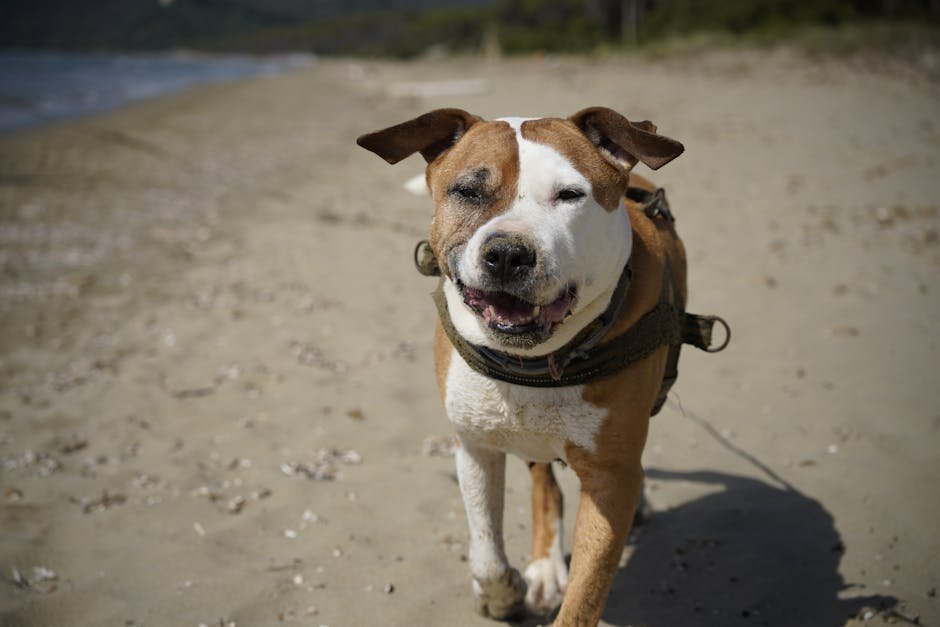
Dog friendly beaches UK searches often start when owners want a simple seaside day without risking fines or confusion. Many UK beaches change access rules by season, council area, and time of day, which makes planning harder than expected. This guide explains how to choose the right beach, check restrictions, and prepare for a safe visit with your dog.
Quick answer: Dog friendly beaches UK options include coastal areas where dogs can access sand, shingle, or shore paths either all year or during set hours and seasons. To choose well, check local council rules, confirm beach restrictions, pack leads and water, and match the beach to your dog’s temperament and stamina.
Key Takeaways
- Check council rules before every beach visit.
- Seasonal bans often apply on popular beaches.
- Shade, water, and lead control matter.
- Quiet beaches suit nervous dogs better.
- Clean up promptly and respect wildlife zones.
How do you find dog friendly beaches UK visitors can use legally?
Dog friendly beaches UK visitors can use legally are beaches where local rules allow dogs either year round or during stated times and seasons. The safest way to find them is to check the relevant council website, beach signage, and official access notices before travelling.
Public Spaces Protection Order, or PSPO, is the legal tool many councils use to control dog access on beaches and promenades. Gov.uk explains that local authorities can use PSPOs to restrict activities in public places, so beach rules often sit with the local council rather than a national list.
Many owners rely on memory, but beach access can vary between neighbouring stretches of coast. Citizens Advice recommends checking local council information for area rules and possible penalties, which helps owners avoid a wasted journey or a fine.
Simple ways to verify access
- Check the local council website for beach byelaws or PSPO pages.
- Read beach entrance signs for seasonal dates and dog zones.
- Look for promenade restrictions as well as sand access rules.
- Save a screenshot before leaving home.
According to Gov.uk (2023), local councils in England can issue fines for breaches of a PSPO, usually up to £100 as a fixed penalty notice. Dog owners should treat posted restrictions seriously because beach wardens and council officers may enforce the rules on site.
What should you check before taking a dog to the beach?
Before taking a dog to the beach, owners should check access rules, tide times, heat levels, parking, and nearby water points. A good plan reduces stress, protects the dog from heat and dehydration, and makes the visit easier for everyone on the shore.
Tide times are the published times of high and low water for a specific coastal location. Tide times matter because a wide beach at low tide can become narrow or unsafe at high tide, especially near cliffs, estuaries, and causeways.
NHS advice on heat exhaustion warns that dogs, like people, can struggle in hot conditions, so cooler parts of the day are often better for long walks. Dog owners should also pack fresh water, a bowl, poo bags, and a lead because some beaches require leads near nesting birds or busy paths.
Pre-trip checklist
- Confirm dog rules on the council website.
- Check tide times for the exact beach.
- Bring water, shade options, and a lead.
- Review parking and toilet access nearby.
- Avoid peak heat on exposed sands.
According to the Met Office (2022), temperatures in the UK exceeded 40°C for the first time on record. Hot sand and intense sun can affect paws and breathing quickly, so dog owners should shorten visits and seek shaded coastal paths when conditions feel too warm.
Which beach features make the best day out for dogs?
The best dog beach for a day out usually has clear access rules, space to walk, safe water entry, and low conflict with crowds or wildlife. Dog friendly beaches UK owners rate highly often combine easy parking, nearby bins, and enough room for calm exercise.
Water quality describes how clean bathing water is at a beach according to official monitoring. Water quality matters for dogs because poor water conditions, strong currents, and stagnant pools can turn a fun paddle into a health risk.
Quiet stretches of sand often suit reactive, older, or rescue dogs better than busy resort fronts. Shingle can be harder on paws, while steep drops, fast tides, and heavy surf can challenge excitable swimmers, so owners should match the setting to the dog rather than the postcard view.
Useful features to look for
- Gentle shoreline and easy exit points.
- Clearly marked dog zones and bins.
- Space away from dense crowds.
- Nearby parking and short walking routes.
- Good bathing water information.
According to the Environment Agency (2023), 92% of bathing waters in England met at least the minimum standard. Bathing water ratings can help owners compare beaches, although owners should still watch for local hazards, algae warnings, and fast-changing sea conditions.
Are dogs allowed on UK beaches all year round?
Dogs are not allowed on every UK beach all year round. Many beaches welcome dogs outside the main summer season, while some beaches allow dogs in selected zones or ban dogs completely during peak months. Local council rules decide access, so owners should always check the specific beach before travelling.
Public Spaces Protection Orders, often shortened to PSPOs, are one of the main ways councils control dog access on beaches. Local authorities use PSPOs to set rules about where dogs can go, whether leads are required, and which dates restrictions apply. Owners can usually find details on council websites or through tourist information pages linked from find your local council.
Seasonal beach rules often change from one stretch of coast to the next, even within the same town. A dog-friendly beach in the morning can also become difficult at high tide if the open section shrinks, so owners should check maps, tide times, and beach signage before setting off.
According to Gov.uk (2023), local authorities in England can use PSPOs to tackle issues in public spaces, including controls on dog access and lead requirements. Dog owners should treat council signage and official notices as the final word on beach access.
In practice, many dog owners assume a beach is fully open because dogs were welcome there in winter, but summer restrictions often return on fixed dates and catch visitors out.
What should dog owners pack for a beach day?
Dog owners should pack water, shade, a lead, waste bags, a towel, and a simple canine first aid kit for a beach day. A safe beach bag helps dogs stay cool, hydrated, and under control, especially on long coastal walks or exposed sands with little shelter.
Fresh drinking water matters because seawater can upset a dog’s stomach and increase dehydration. The NHS advice on hydration explains why fluid intake is important in warm conditions, and the same common-sense principle applies when dogs exercise in sun, wind, and salty air.
A practical beach kit usually includes the essentials below.
- Fresh water and a collapsible bowl
- Lead and harness for car parks, promenades, and restricted zones
- Waste bags for clean-up duties
- Towel for drying saltwater and sand
- Portable shade or umbrella on open beaches
- Dog-safe snacks for longer walks
- Basic first aid items, such as bandage wrap and tick remover
According to the PDSA (2023), heatstroke can affect dogs after exercise in warm weather, and heavy panting, drooling, and lethargy are warning signs. Dog owners should move dogs into shade quickly, offer water, and seek urgent veterinary help if symptoms escalate.
What’s On My Personal Dog Park Checklist
Expert insight.
How can you keep a dog safe at the seaside?
Dog owners can keep a dog safe at the seaside by managing heat, watching tides, avoiding hazards, and keeping recall reliable around wildlife and other beach users. Safe seaside visits depend on preparation before arrival and close supervision once the dog reaches the sand and surf.
Beach hazards include broken shells, fishing hooks, strong currents, jellyfish, cliff falls, and discarded food. A long line can help on wide beaches where recall is uncertain, while a short lead works better near roads, dunes, livestock, or steep coastal paths.
Blue-green algae and polluted water can also create serious health risks for dogs. Dog owners should check local warnings and official water updates, and owners can use local bathing water information before visiting beaches with paddling or swimming areas.
According to the Royal National Lifeboat Institution, RNLI (2023), dogs should be kept on a lead near cliff edges and around fast-moving water, and owners should avoid entering the sea to rescue a dog in trouble. The RNLI advises calling 999 and asking for the Coastguard if a dog is cut off or swept away.
How do beach bylaws, seasonal bans and local enforcement actually work?
Beach bylaws are local rules made by councils or harbour authorities that control where dogs can go, when access changes and what owners must do on site. Dog friendly beaches uk listings can only act as a starting point, because councils often split one beach into restricted and unrestricted zones, apply summer-only bans or enforce lead rules on promenades rather than sand.
Local councils usually publish dog control rules under public space protection orders, beach bylaws or seasonal notices. Dog owners should check the exact council page for the beach before travelling, because a beach name used by visitors may cover several separate stretches with different rules at each access point.
Practical enforcement also varies by location. Seafront officers may focus on fouling, leads in signed areas and access bans during peak holiday periods, while harbour staff may enforce different rules near slipways, piers and boat-launch areas.
How to read the signs properly
Beach signage often uses zone maps rather than plain text. Dog owners should look for boundary markers on railings, groynes, ramps or lifeguard towers, because a permitted dog exercise area may begin only a short walk from a restricted family bathing section.
According to Gov.uk (2023), local authorities can use public space protection orders to tackle behaviour that has a detrimental effect on the community, including dog-related issues in public places. Dog owners can check local-authority responsibilities and enforcement powers on Gov.uk guidance on anti-social behaviour powers.
A practical example shows why detail matters. Bournemouth, Christchurch and Poole seafront rules may allow dogs on certain beaches or stretches while restricting access on others, so a dog owner who sees “dogs allowed” on one ramp should still confirm the adjacent marked zone before walking further along the sand.
Which beach type suits different dogs best, beyond simply allowing access?
The best dog friendly beaches uk choices depend on surface, slope, tide movement, access distance and noise levels, not only on whether dogs are permitted. Nervous dogs often cope better on quiet shingle coves, high-energy dogs may prefer wide tidal flats, and older dogs usually benefit from firm sand with short, level access from parking to shore.
Beach suitability means matching a dog’s age, breed traits, stamina and confidence to coastal conditions. Soft dry sand can exhaust short-legged or arthritic dogs, while steep dunes may challenge brachycephalic breeds, including dogs with shortened muzzles, that already struggle to regulate breathing in warm weather.
Water conditions matter just as much as the sand. Sheltered bays usually suit first-time swimmers better than exposed surf beaches, and estuary beaches often provide calmer paddling but may leave deep mud or fast tidal channels that make recall and safe exits harder.
Quick comparison by dog profile
- Puppies: choose quieter beaches with easy exits, limited wave action and fewer off-lead dogs.
- Senior dogs: choose firm wet sand, nearby parking and minimal steps.
- High-drive dogs: choose large open beaches with strong recall space away from nesting areas.
- Reactive dogs: choose broad beaches at off-peak times with visible sight lines.
According to the ONS (2020), 96% of adults in Great Britain said spending time outdoors was important for their mental and physical health. Dog owners can use that wider ONS evidence from ONS guidance on nature and wellbeing when planning calmer, lower-stress coastal walks that suit both handler and dog.
A practical example helps make the comparison clearer. A young Border Collie may thrive on a broad Northumberland beach with long recall space and cool wind, while a senior French Bulldog may do better on a sheltered Kent bay with short parking access, compact sand and limited climbing.
What advanced planning helps with access, transport and welfare on a full beach day?
Advanced beach planning means treating a dog trip like a short outdoor expedition, especially on remote or tide-sensitive coasts. Dog friendly beaches uk visits go more smoothly when owners check parking restrictions, path surfaces, drinking water, shade, nearby veterinary access, public toilets and return timing around tides, because small planning failures quickly turn into welfare problems.
Transport planning starts before arrival. Dog owners should confirm whether the approach path includes stiles, steep steps, livestock fields or shingle banks, because a beach that looks ideal online may be hard to reach safely with a large dog, buggy, child or older family member.
Welfare planning also includes breaks and overheating prevention. Dogs often keep running long after fatigue begins, so owners should schedule short rest periods, carry more fresh water than expected and avoid relying on beach cafés for emergency supplies or dog-safe shade.
Useful checks before setting off
- Check tide times and last safe return point.
- Confirm parking payment method and maximum stay.
- Pack fresh water, bowl, long line, towel and paw rinse.
- Save the nearest vet practice and postcode offline.
- Review heat and sun advice for dogs and people.
According to the NHS (2022), heat exhaustion can affect anyone and needs quick action to prevent heatstroke. Dog owners planning long beach walks should also follow sensible hot-weather routines for themselves by using NHS advice on heat exhaustion and heatstroke, because a handler who becomes unwell may not be able to manage a dog safely.
A practical example shows why full-day planning matters. A family travelling to a remote Pembrokeshire cove may need cashless parking, a 20-minute cliff path, extra water for the return climb and a mid-afternoon exit before the tide narrows the beach, all of which affect whether the trip remains safe and enjoyable.
| Option | Best For | Cost |
|---|---|---|
| West Wittering Beach, West Sussex | Families who want parking, facilities and a wide sandy beach | Parking from about £10, seasonal pricing applies |
| Holkham Beach, Norfolk | Long dog walks, open space and quieter sections away from the main entrance | Parking from about £6 |
| Rhossili Bay, Swansea | Scenic walks, active dogs and dramatic coastal views | National Trust parking from about £6, non-members pay |
| Bamburgh Beach, Northumberland | Year-round beach walks with castle views and plenty of space | Some nearby car parks are free, others charge locally set fees |
| Wells-next-the-Sea Beach, Norfolk | Dog owners who want pinewoods, sand and a longer day out | Parking from about £6 to £9 depending on stay length |
Frequently Asked Questions
Are dogs allowed on all beaches in the UK?
Dogs are not allowed on all UK beaches all year round. Many councils apply seasonal beach restrictions, often on the busiest resort sections, while nearby zones stay open to dogs. Dog owners should check local signage before walking onto the sand and review council guidance on Gov.uk local council information before travelling.
When can dogs go on beaches in the UK?
Dogs can go on many UK beaches at any time, but some popular seaside beaches limit access during spring and summer. Local councils set the exact dates, beach boundaries and penalty rules. Dog owners should confirm seasonal rules before leaving home, because restrictions often apply to only one section rather than the whole coastline.
What should I pack for a dog friendly beach trip?
A dog friendly beach trip needs fresh water, a bowl, lead, poo bags, towel and a basic pet first aid kit. The NHS advises quick action for heat illness, so shaded rest breaks matter on warm days. Dog owners can also review NHS advice on heat exhaustion and heatstroke before setting off.
Can dogs swim safely in the sea at UK beaches?
Dogs can swim safely at many UK beaches when owners choose calm water, avoid strong currents and watch the tide. Sea safety changes quickly around estuaries, harbours and surf beaches. Dog owners should keep nervous or excitable dogs on a long line near water and leave the sea immediately if the current looks stronger than expected.
How do I find the best dog friendly beach near me?
The best nearby beach depends on access, parking, seasonal rules, tide safety and how far a dog can comfortably walk. A short list works best when dog owners compare facilities before setting off. Dog owners should check the relevant council area through Gov.uk, then match beach access with the dog’s age, fitness and confidence around crowds.
Our editorial team writes UK travel and lifestyle content with a strong focus on practical coastal planning, pet-friendly access and clear public guidance for safer beach days.
📖 Related Articles
Final Thoughts
Choosing the best dog friendly beaches uk means checking three essentials before you travel, beach restrictions, safe access and the practical facilities that shape a full day out. Smart dog owners also match the beach to the dog’s fitness, pack for heat and tides, and confirm parking and walking distance before leaving home.
Pick one beach from your shortlist, review the local council rules tonight, save the parking location, and prepare a simple dog beach bag with water, a lead and towels.
📚 You May Also Like

Aug 2, 2025

May 27, 2026

Author: Dog Parks Directory UK
About DogParksNearMe.Pet DogParksNearMe.Pet was created with one simple goal: to make life easier for dog owners and dog lovers who want to find the perfect place for their pups to stretch their legs, chase a ball, or just enjoy the great outdoors. Whether you're after a spacious dog-friendly park, planning a picturesque walk, or simply hunting down a green spot where your furry friend can have a runaround, you're in the right place. As dog lovers ourselves, we know how important it is to give our dogs the freedom, fun, and fresh air they deserve. That’s why we’ve built an easy-to-use platform to help you discover dog parks near you, explore scenic walking spots, and uncover the best outdoor spaces across the UK – from peaceful countryside trails to buzzing city parks. Think of us as your go-to guide for dog-friendly locations. And while we’ve tracked down some cracking spots, we know there’s always more to sniff out. If your favourite dog park isn’t listed, don’t worry – you can add it to the site for free in just a few clicks. It’s quick, simple, and helps fellow dog lovers find their next favourite walk too. Free Listings – Always…



Looking for a Dog Park in UK? Search below