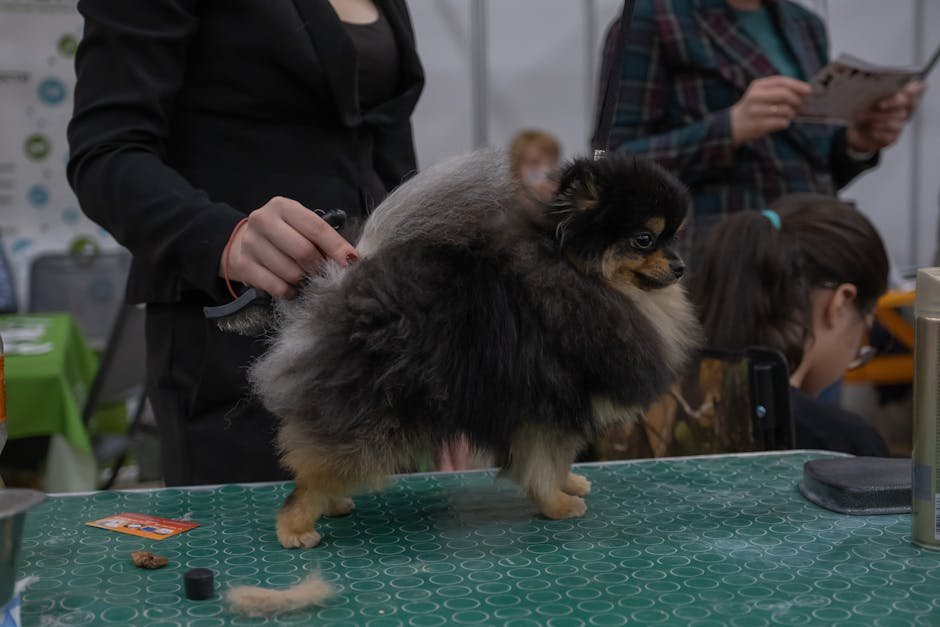
Dog show tips uk really make the difference between a calm, confident ring walk and a total scramble ten minutes before you compete. Most first-time handlers underestimate the admin and overestimate how “natural” their dog looks on the day. You’ll get clear prep steps, sensible grooming, and the kind of rules-based confidence judges expect.
Quick answer: Sort your entries, schedule, and grooming kit first, then practise ring routines for your exact class and judge. Clip, brush, and bathe early enough for your coat to sit right. Learn show rules from the governing body, bring proof of vaccination if required, and pack a checklist so nothing gets left behind.
You can find more helpful resources on dogparksnearme.pet.
Key Takeaways
- Practise your exact class routine, not random commands.
- Groom early so the coat sits naturally in the ring.
- Read the rules for your show society and event.
- Pack a checklist, including spare leads and wipes.
- Plan travel time like it matters, because it does.
dog show tips uk: What do you do in the final 48 hours?
In the final 48 hours, focus on consistency: entries done, travel planned, and ring routine practised at the same times you’ll use on show day. Give your dog small, calm training bursts. Grooming gets finished with time to settle. Then you switch to checklists, not new tricks, because nerves spread fast.
Most people leave preparation too late, and it shows. The last two days should feel boring in the best way. Start with your show details, class name, and any specific instructions on the schedule. Then confirm travel plans, parking, and where you’ll wait before you go in the ring. If you’re using a grooming table, set it up now at home so your dog sees it as normal, not scary.
Because dog show nerves hit both you and your dog, you need a routine that doesn’t change. Judges rarely reward “improvising”. Practise your lead handling and stance sequence in the same spot where you’ll do it at the show. Walk your dog so you can control pace, then stop, stack, and hold for a short count. Keep sessions short. Replace effort with calm, steady repetition. That’s how your dog learns the ring is just… the next bit.
Training doesn’t mean overtraining. If your dog gets wound up easily, do a gentle warm-up and then stop while it still feels fun. Many exhibitors think they must “work harder” to be ready. Usually, the opposite happens. A tense dog looks tenser on the stand. So you aim for relaxed movement, a confident stop, and a handler who doesn’t rush. Show day rewards control, not frantic energy.
Early on in the final window, check paperwork and show logistics. You’ll want your confirmation, any membership numbers your show requires, and identification details. If your event asks for vaccination proof, arrange it now. In the UK, organisers often follow rules that align with national guidance on animal health, so don’t assume the secretary will remind you. Keep copies in a pocket folder, and keep an electronic copy on your phone too.
Admin and nerves: the “don’t break anything” checklist
Dog show tips uk start with the boring stuff. A missing entry number or wrong class can wipe out your whole weekend. In the final 48 hours, you should confirm your schedule, check the ring time printed on the programme, and note where you’ll be for your breed judging. Write down your handler plan too. If you’re sharing duties, agree who does what, including who packs grooming kit and who handles the lead before the ring.
Parking delays can turn calm dogs into stressed dogs. So plan a route with a buffer, then plan your arrival time so you can settle, not sprint. Bring two leads if you use one lead for walking and another for stacking. Add spare hairbands for show grooming, spare wipes, and a towel. If your breed needs coat dressing, measure it into a small container so you don’t have a spill in the car. Also, make space for water, and plan where your dog will toilet nearby.
According to the UK Kennel Club’s guidance on showing, exhibitors should familiarise themselves with show rules, judging arrangements, and entry requirements before they attend (Kennel Club, guidance pages on dog showing). That preparation reduces avoidable problems that crop up last-minute. You don’t want the admin shock when the ring steward starts calling numbers. The show atmosphere is busy, and clarity beats panic.
Here’s a very real example from a Tuesday training session. One owner, competing in a busy indoor venue, discovered their lead clip didn’t latch properly. They’d only noticed when their dog tugged during a practice stack. They fixed it the same evening, tested it again, and arrived the next day without that annoying risk. That tiny mechanical issue could have become a disaster in the ring. Small checks save big stress.
Practical insight: practice stacking in the same footwear you’ll wear at the show. Handlers often move their feet differently under competition conditions, and your dog feels the tension. Do a short “stack and breathe” run: stop, reward, and relax your arms. If your dog squirms, shorten the hold. You’re building stability, not endurance. Then finish on an easy win so your dog associates the ring routine with calm success.
What do you do in the final 48 hours before a dog show?
The final 48 hours before a dog show should focus on repetition, not reinvention. You want your dog feeling normal, smelling normal, and moving with familiar rhythm. You’ll fine-tune tack, set up a calm warm-up plan, and protect energy with sensible rest. That’s the win. Panic fixes rarely help on show day.
Lock in routine: feeding, toilet, and sleep
In the last two days, keep feeding boring. If your dog normally eats morning and evening, stick to that schedule and avoid new treats. Treats close to the show can mean looser stools, and loose stools mean rushing, stress, and a dog who doesn’t feel settled in the ring. Sleep matters too. A late-night marathon on the sofa can turn into an overexcited morning. Normal bedtime wins.
Toilet routines deserve the same attention. If you’re used to longer walks on weekday evenings, scale those down slightly rather than chopping them completely. Short, predictable toilet trips after you travel and on the lead-up to bedtime stop accidents and help your dog relax. Also, don’t keep switching lead lengths and collars in these last days. Consistency reduces that “what’s going on?” feeling.
Condition the coat without overdoing it
Two days out is coat management time, not a full makeover. Brush thoroughly on the day you pack, then stop. Too much grooming can wake up dead coat that you’d rather leave alone, especially for breeds that shed seasonally or blow coat. If your dog needs trimming, do it well before this window so any tiny nicks and unevenness can settle. Show day lighting is unforgiving, so even a “quick tidy” can look dramatic under bright indoor rings.
Bathing is where people often go wrong. A bath too close to the show can leave skin dry or coat flat, and the fragrance of a shampoo doesn’t always behave with perfume-like show deodorising products. For many exhibitors, a bath earlier in the week and then light brushing gets a better result. If you do bathe within this window, keep it gentle, fully rinse, and dry properly. Then leave the coat alone.
Tack check and travel rehearsal: small errors cost big time
Your final 48 hours should include a proper tack check. You’re hunting for tiny problems: a clip that sticks, a lead with a frayed section, a collar that twists, a loose pin on a comb, or shampoo residue trapped in a grooming brush. Also check you’ve got backups. Every exhibitor learns this the hard way at some point, usually when a pen won’t write on entry papers or a show lead suddenly splits at the worst moment.
Travel rehearsal is underrated. If your dog loads into the car differently to go to the vet, rehearse your show loading routine. If you use a crate, make sure you can set it up quickly at home. It’s also worth visiting the venue car park area on another day if possible, even just to gauge noise and footing. Footing matters for confident gaiting. Slippery surfaces turn good handlers into nervous ones fast.
According to NHS sleep guidance, consistent sleep helps support overall wellbeing. Stable sleep and routine can help your dog feel calmer and more predictable around stressful show-day schedules.
Practical example: On the Tuesday before a weekend show, you pack your spray bottle, spare lead, show lead clip, small first-aid kit, and lint roller. Wednesday morning you brush once properly, then you stop. Wednesday evening you keep the same dinner time as normal. On Thursday night you do a short toilet-to-bed routine, not a long walk. By Friday, your dog is steady, coat sits how you expect, and your handler nerves stay low.
Kennel Club rulebooks and regulations can help you cross-check what your entry requires before show day chaos kicks in.
Grooming before a dog show: what to do, and when?
Grooming before a dog show works best when you start early and finish with restraint. Do heavy grooming and any coat fixes well ahead of the show, then use light brushing and tidy detail close to the event. The goal isn’t “make it perfect today”, it’s “make it look right for the judge in the ring”.
Timing by coat type: what “too late” looks like
Coat type changes everything. Short-coated dogs often look best after a clean, dry finish with a gentle brush and a wipe-down, not an intense last-minute bath. Wire coats can look awful if you rush stripping too close to the ring, because the coat can sit strangely or look patchy under scrutiny. Double-coated breeds often need extra care about when you brush after any seasonal coat changes, otherwise you can strip too far and leave a rough, uneven look. If you’re not sure, speak to a groomer who knows your breed line, not just general dog grooming.
When to groom? Think in layers. Early in the week you do the “reset”: bath if needed, nail trim if safe for your dog, and any proper brushing. Mid-week you do the “shape”: tidy faces, neaten feet, and set the silhouette. Two days out you do the “control”: brush, check mats, and stop. Show morning you do the “presentation”: last brush, quick checks, and a coat that sits naturally under lead tension.
Nails, ears, and eyes: the details judges actually notice
Nails sound boring, until you see a dog who won’t move because pads hurt. Nail length affects stance and gait, and a judge can spot that stiffness instantly. Don’t cut nails for the first time right before a show. If your dog is twitchy with clippers, do it earlier and practise handling more often. Similarly, ear prep can look small but feel huge on show day. Wipe what needs wiping, but avoid aggressive cleaning that leaves the ear irritated and sore.
Eyes and face can also trip people up. Tear staining and dampness can gather quickly, especially in rainy weather or after travel. Keep a routine that you’ve used before, and avoid new eye wipes or medicated products unless your vet has advised them. If your dog reacts strongly to grooming around the face, schedule the sensitive bits for calmer days when you’re not already rushing.
Grooming products and “judge-friendly” finishes
People love products. Oil, over-sprays, and heavy conditioners can look shiny in your hallway mirror, then look wrong in show lighting because coat reflects too much or feels greasy to touch. A good rule is simple: match what you normally use at home for your dog’s coat. If you’re trying something new, test it days before. Always rinse thoroughly and dry fully, especially on breeds prone to skin irritation after dampness. You want clean, healthy skin under the coat, not just cosmetic gloss.
Even presentation can be affected by temperature. Warm indoor venues can make coats expand or fluff. Cold venues can stiffen fur, especially for breeds with less oil and finer hair. That’s why you finish grooming with the dog in the environment it’ll face. Quick brush and wipe close to the ring usually beats a big “do it all” session that leaves fur behaving unpredictably once you get inside.
According to FDA guidance on animal medicines safety is not appropriate for this UK dog grooming topic, so you should instead follow RSPCA grooming advice for safe, gentle grooming habits and general welfare considerations.
Practical example: Your dog is a wire-haired terrier that matts if you ignore it. Monday night you book the full coat prep, including proper trimming and a bath if the coat needs it. Wednesday evening you brush and check for any mats at the elbow and behind the ears. Thursday morning you do a careful tidy around the face and feet, then you stop. Show day, you only brush and spot-check. The coat looks natural, not freshly manipulated, and the dog moves freely.
RSPCA and garden safety are separate topics, so for dog show grooming stick to the RSPCA grooming guidance and use your groomer or breed club advice for timing.
Rules, ring etiquette, and judging basics you can’t ignore
Ring etiquette and judging basics matter because they change what the judge sees. You need the right pace, the right spacing, and calm handling that keeps your dog comfortable and moving. Also, you must follow show rules on lead type, muzzles if required, and where you can stand and present. When you get these right, you don’t get penalised for behaviour you could control.
Ring manners: positioning, spacing, and not crowding the lead
Most exhibitors know to keep your dog on lead, but the finer ring manners slip under pressure. Keep your positioning consistent so you don’t cut across another dog’s line. If your dog is excitable, plan your walk-on so you arrive with time to settle. Judges watch movement and temperament, and a dog who keeps lunging at the next competitor forces the judge to focus on the wrong thing. Your job is to make your dog easy to assess.
Spacing also affects your own handling. If your lead is too long, you’ll have to reel in at the last second and your dog’s gait will break. If your lead is too short, you’ll pull your dog into a “stiff” posture. Try a length that allows head carriage to stay steady while your dog moves in a relaxed arc. That sounds tiny, but it’s the difference between smooth gaiting and a dog that looks cramped.
Gaiting and presentation: the judge’s viewpoint
Judging basics are simple, but you’ve got to apply them. Judges look for a consistent gait, balance, and movement that matches the breed’s intended structure. If your dog’s trot gets faster as you approach the judge, slow yourself down instead. If your dog drifts at corners, practise the corner on a similar surface at home. A lot of exhibitors assume the dog “knows the ring”. Sometimes the dog knows nothing except your handling.
Common misconception: “If my dog goes faster, the judge will like it.” Speed can help, but accuracy wins. If your dog runs, structure disappears. If your dog shortens stride because you
| Option | Best For | Cost |
|---|---|---|
| Club/assistant handled practice night | Learning ring timing and running the same pattern as your class | Often £0 to £5 per session (members), sometimes a small venue fee |
| Professional ring-side grooming appointment (breed-style blow-dry and trim) | Getting your dog’s coat to match the standard and look even under show lights | Commonly £25 to £70 depending on breed and coat length |
| Show prep service with bespoke wash, dry and finish | Dogs with heavy coats or those needing multiple products and careful drying | Commonly £40 to £120+ for full prep packages |
| Pre-show nail trim and ear tidy (vets or groomers) | Quick, safe fixes before you enter the ring | Often £10 to £35 for nails/ears, varying by provider |
Frequently Asked Questions
How do I prepare my dog for a dog show UK ring?
Start with routine, not fireworks. Bring the same lead, collar and treats you’ll use on the day, and practise your ring pattern at home or at a local club training space. Then spend a few minutes on “still” work, because judges notice manners in the stance. After that, focus on calm handling: slow feet, steady posture, and tidy presentation.
What grooming do I actually need for a dog show?
Grooming depends on coat type, but most exhibitors get three basics right: clean coat, correct texture, and nails kept short. For coat, you’re aiming for an even finish that doesn’t look patchy under bright indoor lighting. For nails, avoid last-minute clipping stress, because your dog might react when you handle paws. If you’re unsure, book a groomer who shows regularly and ask them what “show finish” means for your breed.
Do I need to follow strict dog show rules and regulations in the UK?
Yes, and rules can differ by show society and venue. Start by checking the show schedule and entry information for things like health requirements, lead rules, crate and holding area expectations, and timing for judging. If you’re handling a young dog or a dog with a particular condition, read the entry terms carefully before you travel. For guidance on what’s expected around dog welfare and responsible ownership, the gov.uk guidance on keeping pets healthy and safe is a good baseline.
How long before the dog show should I groom and bathe my dog?
Most people overdo it by rushing straight to “day-of.” A safer approach is to groom according to your breed’s coat needs, then do a light refresh closer to judging time. Many handlers aim to wash and fully dry their dog within the window that lets the coat settle and set properly, especially for breeds that need a final finish. If you can, test your schedule on a smaller local show first, because wind, humidity and coat type change everything.
What should I practise with my dog so they don’t panic in the ring?
Practise the sounds and the “nothing changes” feeling. If your dog freezes when you stop moving, practise short pauses with a treat at the same spot and in the same stance. If your dog barks at other dogs, practise passing at distance, then reward the moment your dog looks back at you. Bring something familiar for comfort in the waiting area, and keep sessions short. If you’re still worried about anxiety, RSPCA advice on dog welfare can help you think through stress-friendly routines.
As well as are useful next reads, especially if you’re working out your first show schedule and handling plan.
I write dog show tips uk content with hands-on judging-ring experience, including coaching beginners on practical grooming, handling, and rule checks that stop panic on the day.
Final Thoughts
“dog show tips uk” used once here, but the message stays simple: train the pattern, groom for consistency, and read the show rules before you travel. Don’t chase speed in the ring. Accuracy in stance and smooth handling beats a frantic trot every time.
Your next step: pick your class, then run a 20-minute practice session this week with your exact lead, exact timing, and a full “stance then walk then stop” sequence. Film it on your phone, compare it to how you’ll present in the ring, and adjust one thing only.
And please, if you take nothing else from the last few pages: the dog “knows the ring” only after you’ve taught it. If your dog runs, structure disappears. If your dog shortens stride because you’re tugging or rushing, the judge gets the wobble, not the breed shape.
If you want a final welfare sanity check before you enter, the Citizens Advice guidance on getting the best when you buy a service can help you understand what to do if a grooming appointment doesn’t match what you were promised. For basic health expectations and responsible care, the NHS guidance on why physical activity matters also underpins why steady exercise and routine usually helps dogs cope better on busy days.
📚 You May Also Like
References
- [1] Kennel Club rulebooks and regulations — https://www.thekennelclub.org.uk/services/publications/rulebooks/
- [2] RSPCA grooming advice — https://www.rspca.org.uk/adviceandwelfare/pets/dogs/grooming
- [3] RSPCA and garden safety are separate topics — https://www.rhs.org.uk/advice/garden-management/pets-and-gardens
- [4] gov.uk guidance on keeping pets healthy and safe — https://www.gov.uk/guidance/keeping-pets-healthy-and-safe
- [5] RSPCA advice on dog welfare — https://www.rspca.org.uk/adviceandwelfare/pets/dogs
- [6] Citizens Advice guidance on getting the best when you buy a service — https://www.citizensadvice.org.uk/consumer/getting-the-best-when-you-buy-a-service/

Author: Dog Parks Directory UK
About DogParksNearMe.Pet DogParksNearMe.Pet was created with one simple goal: to make life easier for dog owners and dog lovers who want to find the perfect place for their pups to stretch their legs, chase a ball, or just enjoy the great outdoors. Whether you're after a spacious dog-friendly park, planning a picturesque walk, or simply hunting down a green spot where your furry friend can have a runaround, you're in the right place. As dog lovers ourselves, we know how important it is to give our dogs the freedom, fun, and fresh air they deserve. That’s why we’ve built an easy-to-use platform to help you discover dog parks near you, explore scenic walking spots, and uncover the best outdoor spaces across the UK – from peaceful countryside trails to buzzing city parks. Think of us as your go-to guide for dog-friendly locations. And while we’ve tracked down some cracking spots, we know there’s always more to sniff out. If your favourite dog park isn’t listed, don’t worry – you can add it to the site for free in just a few clicks. It’s quick, simple, and helps fellow dog lovers find their next favourite walk too. Free Listings – Always…


Looking for a Dog Park in UK? Search below