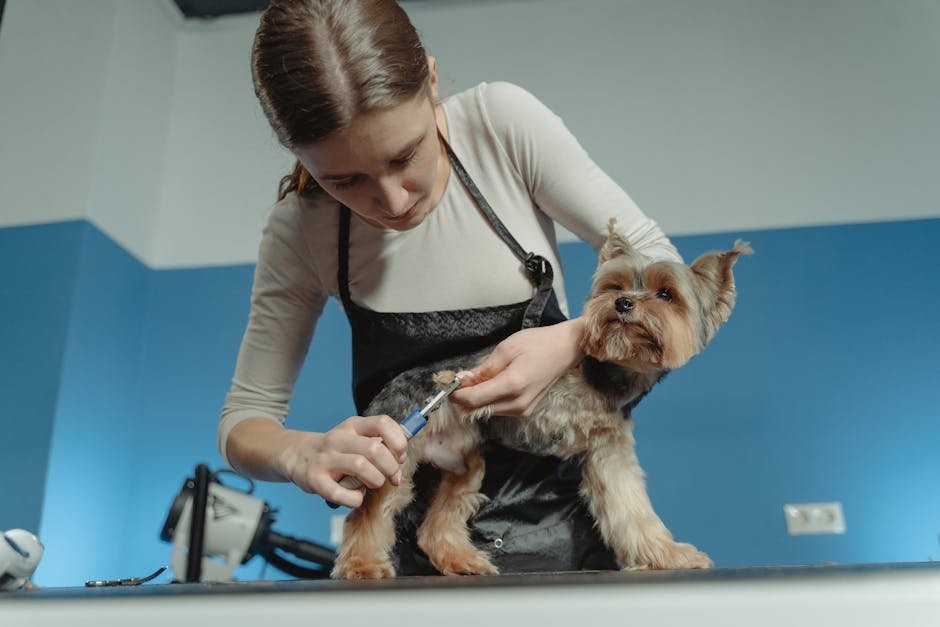
Finding a comprehensive Dog Grooming Prices Guide UK can be a bit of a challenge for pet owners who want clarity on costs. You might be wondering if you’re paying too much or missing out on better deals. Fear not, this article breaks down what you can expect to pay and why, so you’ll have all the info you need to make the best choice for your furry friend.
Quick answer: Dog grooming prices in the UK can vastly differ based on dog size, coat condition, and service type. Expect to pay from £30 for basic grooming, with premium services and larger dogs costing significantly more. Knowing these factors helps you budget appropriately.
You can find more helpful resources on dogparksnearme.pet.
Key Takeaways
- Grooming prices vary across the UK
- Size and breed affect cost
- Mobile grooming is often pricier
- Typical services cost around £30+
- Additional services increase the price
What factors influence dog grooming prices?
Dog grooming prices are influenced by several factors, including dog size, coat condition, and specific services requested. Larger dogs, such as Golden Retrievers, tend to be more expensive to groom than smaller breeds like Pugs due to their size and coat complexity. Complex coat conditions, like matting, will also increase costs because of the extra time and effort required.
Service variety further impacts pricing. Standard grooming usually includes a bath, brush, trim, and ear cleaning, but extras like de-shedding or flea treatments cost more. Local business competition also plays a role, with urban areas often charging more due to higher demand and operational costs. Market dynamics reflect supply and demand nuances observable across the UK.
Breed-specific grooming needs can affect the final price too. Poodles, for instance, require specialised trims that demand more time and skill, often leading to higher costs. Plus, some groomers may charge extra for handling anxious or reactive dogs. These added considerations help tailor prices to meet the unique requirements each dog presents.
According to the RSPCA, grooming costs typically start at around £30 but can vary greatly depending on services and location (RSPCA). It’s wise to compare different groomers in your area and check what’s included in the quoted price. For example, you might find that a salon in central London charges significantly more than one in a quieter rural town.
Is mobile grooming more expensive?
Mobile grooming services tend to be more expensive than salon-based options, owing to their convenience and personalisation. These groomers bring the salon to your doorstep, offering a hassle-free experience for busy pet owners. The convenience factors into the higher cost, with some mobile services charging 20% to 30% more than their in-salon counterparts.
Mobile groomers often cater to clients who require flexible scheduling, which makes them a premium option. These groomers use self-contained, fully equipped vans, allowing them to provide a full range of services without needing a traditional brick-and-mortar location. This mobility and the personalised attention given often provide an unmatched service tailored to each dog.
For pet owners, the value often lies in reduced stress for their dogs, who may not respond well to travelling or being around other animals. Many find the added cost worthwhile for older dogs or those with anxiety issues. However, if budgeting is a concern, it might be best to consider if the premium matches your specific needs.
A quick search shows that mobile grooming prices may start around £50, particularly in densely populated areas where convenience carries a premium. Of course, this varies by region and service quality. One pet owner noted their dog’s anxiety significantly decreased with at-home grooming, making the cost an investment in their pet’s wellbeing.
Dog grooming prices guide uk overview
The Dog Grooming Prices Guide UK outlines the typical costs associated with grooming services across the nation. Prices vary widely, from basic services starting at £30 to comprehensive packages exceeding £100. Factors influencing these costs include dog size, breed, and specific grooming needs. This guide aims to help you gauge average rates and assess whether you’re getting good value.
Total costs often depend on a range of services you might not initially consider. Nail clipping, teeth brushing, and ear cleaning might all be additional costs, even though they’re routine parts of many grooming sessions. It’s best to check if these are included in the quoted fee to avoid surprises later.
In regions like London, the higher cost of living can reflect in service prices, making a regional comparison necessary. Groomers in smaller towns may offer more competitive pricing while maintaining service quality. Understanding these disparities helps you make informed decisions about where to spend and save.
The Dogs Trust provides insights that state grooming is an essential part of veterinary care, often impacting a dog’s overall health (Dogs Trust). Keeping an eye on these costs ensures your pet isn’t missing out on vital services due to price constraints.
Are there hidden costs in dog grooming services?
Choosing dog grooming services sometimes comes with unexpected costs beyond the standard fee. These hidden fees can include add-ons like nail trimming, de-shedding, or even flea treatments. They might also hinge on the dog’s behaviour, coat condition, or breed. Always clarify what’s included in the price upfront to avoid surprises at checkout. Understanding the full service menu ensures you only pay for what you actually need.
Some grooming salons offer a basic package that might appear cheaper but doesn’t always include necessary extras. For instance, a basic service might not include nail clipping or ear cleaning. These are usually additional services with separate charges. It’s essential to ask for a detailed list of what’s covered. Many pet owners find that full grooming packages, though initially pricier, often cost less when compared to adding individual extras.
Another factor impacting costs is condition-based pricing. If a dog has matted fur or difficult behaviour, groomers might need extra time and effort. This often results in additional charges. Groomers may either alert the owner in advance or adjust the final bill accordingly. According to the Dogs Trust, regular grooming and maintaining a dog’s coat at home can reduce the likelihood of such surcharges.
Emergency or last-minute bookings can also lead to additional fees. If you’ve opted for a mobile service or discovered your local salon full, you might pay more for urgent slots. So, it’s wise to plan your dog’s grooming sessions in advance to avoid unnecessary expenses. Booking ahead, especially during peak seasons, often yields cost savings.
Many owners underestimate the variables in grooming, yet proactive management of one’s pet upkeep can greatly reduce unexpected surcharges.
Why compare local grooming services?
Comparing local grooming services helps you find the best match for your budget and your dog’s needs. Different salons offer varied services, expertise, and pricing. By evaluating a few options, you gain insights into quality, reputation, and value for money. It also awakens new questions about service standards and areas where a particular groomer excels, making sure you choose wisely.
Quality and specialised services often differ. For instance, a salon may specialise in breed-specific cuts, while another excels in handling anxious dogs. Direct visits or online reviews can shed light on these distinctions. Some businesses have specialties they don’t boast about—ask them. A phone call or a simple visit can help unearth details formal listings ignore, ensuring your choice is well-informed.
Comparison can also reveal significant price variances. According to Which?, costs can differ greatly even within the same town for similar services. Factors such as staff experience, equipment quality, and salon overheads influence prices. A quick cross-check can discover genuine bargains or justify why one service commands a higher price. Prioritising quality over price alone tends to benefit your pet in the long run.
Finally, recommendations from local pet owners can lead you to hidden gems not listed prominently online. Personal endorsements are often gold standards when shops lack extensive marketing. Talking to neighbours with dogs of similar breeds or needs can provide honest appraisals. These insights often enrich your decision-making beyond what online positive reviews offer.
What’s the impact of the dog’s breed on grooming costs?
The breed significantly impacts grooming costs because different breeds have unique grooming needs. Styles, coat types, and sizes all affect the time and skill required, and consequently, the cost. Breeds like Poodles or Cockapoos need more intense grooming, while short-haired breeds, like Beagles, generally require less frequent attention. A dog’s breed, therefore, influences grooming expenses regularly.
Breeds with long, thick coats typically rack up a larger bill. They need more time for detangling, bathing, drying, and styling. Poodles, for instance, often need regular styling to maintain their coats. Groomers specialising in such breeds command higher fees due to their expertise in managing these specific requirements. On the flip side, short-haired breeds are simpler and therefore cheaper to groom overall.
Another angle to consider is the amount of shedding. Dogs like Golden Retrievers shed profusely, often needing de-shedding services, which adds to the grooming fees. As the RSPCA notes, frequent brushing and de-shedding can mitigate costs by maintaining a pet’s coat in better condition between professional grooms. Regularity in basic grooming tasks reduces the need for pricier visits.
Mixed breeds may also incur varying costs based on their coat type and the groomer’s experience with such hybrids. Some groomers charge based on the perceived breed traits, leading to a more accurate reflection of the upkeep required. To keep costs manageable, having upfront discussions about your dog’s mix and anticipated needs ensures transparent pricing and fewer surprises.
In practice, many first-time owners of mixed breeds are surprised at grooming requirements when coats mature, underscoring the worth of early research into breed-specific grooming needs.
How to Choose the Right Grooming Frequency?
The ideal grooming frequency depends on your dog’s breed, coat type, and lifestyle. Regular grooming helps keep their coat healthy and manageable. Start by researching your dog’s breed, seeking advice from breeders or breed-specific forums. Generally, long-haired breeds need more frequent grooming than short-haired ones.
Long-haired breeds like Afghan Hounds and Maltese typically require grooming every 4 to 6 weeks. This keeps their coats free from mats and tangles. For breeds with thicker undercoats like Huskies, a session every 6 to 8 weeks is usually sufficient. Remember, grooming isn’t just about aesthetics; it’s vital for your dog’s comfort and health.
Certain factors can influence the frequency. If your dog swims regularly, you might need more sessions to prevent the coat from matting. The same applies if they play in muddy environments. Urban dogs, constantly exposed to dirt and pollutants, also benefit from increased grooming frequency. Bear in mind, lifestyle changes might modify these needs over time.
According to the RSPCA, regular grooming creates opportunities for owners to spot health issues like skin conditions or parasites early on. This proactive approach helps manage potential issues before they worsen, ultimately saving on vet bills.
Practical Example
Consider Jake, a three-year-old Golden Retriever that spends half its time in the countryside. Due to mud and burrs, his owner has found fortnightly grooming sessions ideal for maintaining his coat. They’ve observed fewer skin issues and improved overall health by adapting grooming frequency to his lifestyle needs.
While there’s no universal schedule that fits all, knowing your dog’s specific grooming needs sets a solid foundation.
What Additional Services Might Affect Costs?
Additional services in dog grooming, like teeth cleaning, de-shedding treatments, and flea treatments, can significantly impact the overall cost. While basic grooming might cover washing and trimming, these extras improve health and comfort. Not all dogs need the same extent of additional services, so evaluate based on your pet’s specific requirements.
Teeth cleaning is a popular service not included in basic packages but crucial for overall health. It helps towards preventing dental diseases and bad breath. Many pet owners initially overlook it, but realisation dawns when the vet points out dental issues. When added, teeth cleaning can hike the grooming bill by around £30 to £50.
Another service that pet owners often consider is de-shedding treatment. Particularly beneficial for double-coated breeds like German Shepherds, this reduces the shed hair cascading through your home. Although it adds around £20 to £40 to a session, the reduced clean-up at home can be worth every penny.
The Dogs Trust suggests regular flea treatments as part of grooming routines to prevent infestations. While initially adding about £10 to a grooming session, addressing fleas early prevents costlier treatments down the line.
Practical Example
Lucy, a Cocker Spaniel, regularly receives de-shedding treatments and teeth cleaning as part of her grooming routine. Her owner finds the cost-effective combination visibly improves her comfort and reduces household cleaning. Tailoring additional services to Lucy’s needs has also translated to fewer vet visits for dental issues.
Consider what services will most benefit your dog. The investment often translates to not just immediate grooming satisfaction but longer-term health and cost savings.
How Does Your Location Impact Grooming Costs?
Your location within the UK can influence dog grooming costs due to variations in the cost of living and local demand and supply dynamics. Urban areas, where rent and wages are higher, often see elevated prices compared to rural settings. Yet, the quality and range of services might also be greater and more specialised.
London, unsurprisingly, has some of the highest grooming prices in the country. A standard grooming session may cost between £50 to £70 in the capital. Meanwhile, in smaller towns, you might find similar services ranging closer to £30 to £40. Assess local groomers’ offerings and weigh whether cost aligns with the level of service provided.
Suburban areas can present a blend of both worlds. With slightly lower costs than city centres, these regions typically offer a mix of competitive prices and diverse choices. If you’re a bit flexible, venturing a few miles outside a major city could land a similar quality groom at a better rate.
A 2022 report by Which? highlighted that competition can influence pricing. Areas with numerous grooming businesses often offer introductory discounts or bundled services, reducing costs. It’s all about finding a balance and considering what best fits your budget and your dog’s needs.
Practical Example
Ella, residing in Brighton, noticed a price drop by trying a mobile groomer from nearby Worthing. The service quality matched city options but at a third less the cost. She’s managed to save without compromising her pup’s grooming quality by trying less obvious options.
Location affects prices, but doesn’t have to dictate the value you get. Research your area, compare services, and decide based on your dog and financial comfort.
| Option | Best For | Cost |
|---|---|---|
| Professional Groomer | Full service and expertise | £30-£90 |
| Mobile Groomer | Convenience at home | £40-£100 |
| Self-Grooming | Cost-saving | £10-£50 (initial setup) |
| Pet Grooming Schools | Lower costs, supervised | £20-£40 |
Frequently Asked Questions
What affects dog grooming prices in the UK?
Dog grooming prices can vary based on several factors including the size of your dog, the dog’s coat condition, and the specific services needed. Additionally, geographic location plays a significant role, with prices often higher in urban areas compared to rural regions.
How often should I groom my dog?
Frequency depends on the breed and coat type. Dogs with long hair often need grooming every 4-6 weeks, while short-haired breeds might only need a basic clean-up every few months. Regular grooming helps maintain your dog’s coat and skin health.
Is mobile dog grooming more expensive than salon grooming?
Mobile grooming can be more expensive due to the convenience it offers, bringing services directly to your doorstep. Prices vary, but you might pay a premium for personalisation and travel costs. However, mobile services can save time and stress, which many pet owners appreciate.
Can I save money by grooming my dog at home?
Yes, grooming at home can be cost-effective if done correctly. Initial investment in the right tools is required, but it’s significantly cheaper long-term. However, make sure you’re comfortable handling grooming tools to avoid causing discomfort or harm to your pet.
Are there risks associated with too frequent grooming?
Over-grooming can lead to skin irritation or damage, especially for dogs with sensitive skin. It’s important to find a balance based on your dog’s needs. If in doubt, consult a professional to establish a suitable grooming schedule for your pet. More advice is available from the Kennel Club.
With extensive experience in dog care and grooming, I provide insights and practical advice on managing and understanding dog grooming prices in the UK.
Final Thoughts
Dog grooming can range widely in cost, but understanding your options helps you make informed choices. Key takeaways: consider trying a mix of professional and DIY grooming, use local pet grooming schools to save money, and ensure you factor in your dog’s specific needs.
Take the first step by assessing your dog’s current grooming routine. Then, explore a couple of local groomers and compare their services and prices to find the best fit. Have a look at Which? for user reviews and recommendations.
Plan ahead, know your dog’s grooming needs, and consider diverse service options to maximise both quality and savings. Explore tips on related pet care and grooming and how to choose the best pet grooming tools .
📚 You May Also Like
Dec 9, 2025
References
- [1] Dogs Trust — https://www.dogstrust.org.uk/advice/grooming
- [2] Which? — https://www.which.co.uk/reviews/pet-grooming/article/types-of-pet-grooming-services-aO4kC3v8Zva8
- [3] RSPCA — https://www.rspca.org.uk/adviceandwelfare/pets/dogs/grooming
- [4] RSPCA — https://www.rspca.org.uk/adviceandwelfare/pets/dogs/health/coatcare
- [5] Dogs Trust — https://www.dogstrust.org.uk/changethedog.html
- [6] Which? — https://www.which.co.uk/reviews/dog-clippers
- [7] Kennel Club — https://www.thekennelclub.org.uk/health/dog-health/grooming-and-care/
- [8] Which? — https://www.which.co.uk/reviews/dog-grooming-services

Author: Dog Parks Directory UK
About DogParksNearMe.Pet DogParksNearMe.Pet was created with one simple goal: to make life easier for dog owners and dog lovers who want to find the perfect place for their pups to stretch their legs, chase a ball, or just enjoy the great outdoors. Whether you're after a spacious dog-friendly park, planning a picturesque walk, or simply hunting down a green spot where your furry friend can have a runaround, you're in the right place. As dog lovers ourselves, we know how important it is to give our dogs the freedom, fun, and fresh air they deserve. That’s why we’ve built an easy-to-use platform to help you discover dog parks near you, explore scenic walking spots, and uncover the best outdoor spaces across the UK – from peaceful countryside trails to buzzing city parks. Think of us as your go-to guide for dog-friendly locations. And while we’ve tracked down some cracking spots, we know there’s always more to sniff out. If your favourite dog park isn’t listed, don’t worry – you can add it to the site for free in just a few clicks. It’s quick, simple, and helps fellow dog lovers find their next favourite walk too. Free Listings – Always…



Looking for a Dog Park in UK? Search below