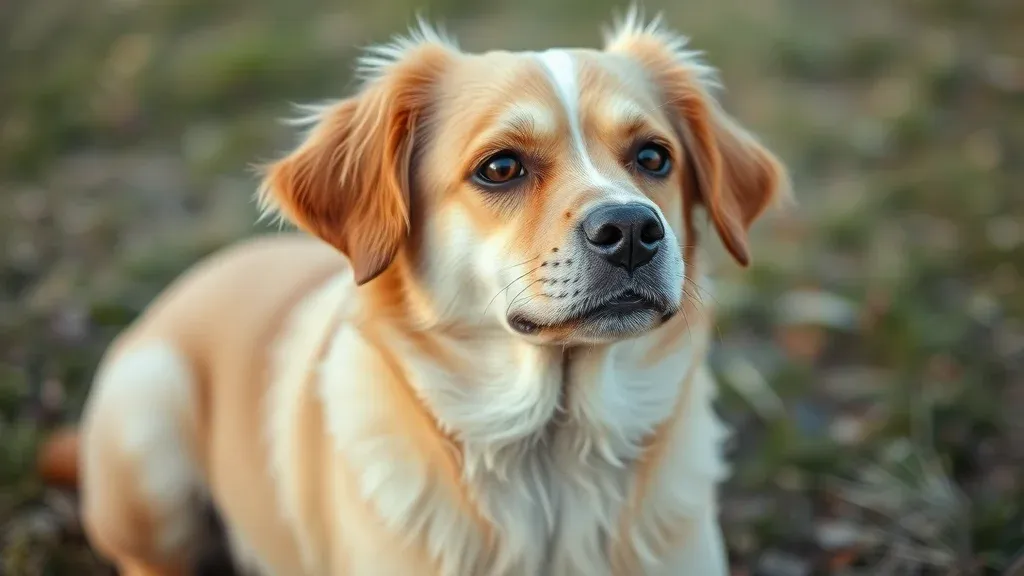
Exploring the Most Gentle Dog Breeds and Their Temperaments
When it comes to choosing a dog, many people look for a gentle breed that suits their family dynamics and lifestyle. Whether you have young children or just prefer a calm companion, understanding which breeds are known for their gentle temperaments can help you make an informed decision. Here’s a look at some of the most gentle dog breeds, their characteristics, and why they may be the ideal choice for gentle pet lovers.
Top Gentle Dog Breeds
- Golden Retriever: Known for their friendly and tolerant nature, Golden Retrievers are excellent choices for families. They are easy to train and love to play, making them wonderful companions for children.
- Cavalier King Charles Spaniel: This small breed is affectionate and eager to please. Their gentle demeanor and love for companionship make them perfect for cuddling.
- Newfoundland: Newfoundlands are often referred to as “gentle giants.” They are known for their calm behavior and are great around kids, often displaying a protective instinct.
- Beagle: Beagles have a friendly disposition and are very sociable. Their gentle nature makes them a great choice for families and they typically get along well with children.
- Basset Hound: Basset Hounds are laid-back and known for their great temperaments. They are affectionate and enjoy relaxing time with their families.
Temperament Traits of Gentle Dog Breeds
Understanding the temperament of gentle dog breeds can be quite beneficial. Here are some common traits you might observe:
| Trait | Description |
|---|---|
| Affectionate | These dogs often shower their owners with love and enjoy physical closeness. |
| Calm | Gentle breeds usually exhibit a relaxed demeanor, making them great for quiet homes. |
| Patient | Many of these breeds show considerable patience, especially with children and other pets. |
| Easygoing | They adapt well to different environments and situations, making them versatile companions. |
Why Gentle Breeds Are Ideal for Families
Choosing a gentle dog breed can significantly impact family dynamics. If you have children, these breeds can foster a nurturing environment. Gentle breeds often:
- Promote Safety: Their calmness helps create a safer atmosphere for both kids and pets, minimizing the chances of aggressive episodes.
- Encourage Activity: While they are gentle, many breeds also enjoy active playtimes, providing fun and exercise for the whole family.
- Teach Compassion: Having a gentle dog can help children learn empathy and responsibility as they take care of and bond with the pet.
Care Considerations for Gentle Dog Breeds
While gentle dogs can make loving companions, they still need proper care. Here are common aspects to keep in mind:
- Training: Early socialization and training can help reinforce their gentle nature and ensure they get along well with children and other pets.
- Exercise: Regular exercise is key, even for gentle breeds. They need daily walks and playtime to stay healthy.
- Nutritional Needs: Ensure that your gentle dog gets a balanced diet to support their unique health requirements, which can vary by breed.
Choosing a gentle dog can lead to a rewarding companionship that enhances the quality of family life. With breeds like the Golden Retriever and Cavalier King Charles Spaniel, you can find the perfect furry friend that embodies kindness and affection. If you want to learn more about different dog breeds and their temperaments, check out the American Kennel Club for additional insights.
Another great resource to explore is DogTime, where you’ll find in-depth information about gentle dog breeds and how to care for them properly.
How to Choose a Gentle Dog for Your Family
Choosing a gentle dog for your family is an important decision that requires careful consideration. Some dogs are naturally more patient and kind, making them excellent companions for children and adults alike. As you look for the right gentle dog, focus on breed characteristics, temperament, and individual personality traits.
Consider Dog Breeds Known for Their Gentle Nature
Certain breeds are widely recognized for their gentle disposition. Here are a few breeds you might want to consider:
- Golden Retriever: These dogs are known for their friendly and devoted personalities. They are generally good with children and adapt well to family life.
- Labrador Retriever: Labradors are friendly, energetic, and affectionate. They are gentle with kids and make excellent family pets.
- Cavalier King Charles Spaniel: With their sweet nature and small size, these dogs are affectionate and usually get along well with kids and other pets.
- Bichon Frise: Bichons are cheerful and gentle, making them a great choice for families looking for affectionate pets.
- Shih Tzu: Known for their loving temperament, Shih Tzus can be very gentle companions, making them suitable for all family types.
Assess Individual Temperament
While breed tendencies can guide you, personality varies from dog to dog. When you are looking for a gentle dog, observe these specific traits:
- Calmness: A gentle dog often displays a calm demeanor along with relaxed body language.
- Socialization: Find a dog that enjoys interactions with both people and other animals.
- Patience: Look for dogs that can handle stressful situations, such as loud noises or playful children.
- Affectionate Behavior: Dogs that willingly give affection, like cuddling and licking, usually have gentle dispositions.
Interactions With Children
When looking for a gentle dog, interactions with children are critical. Here are some tips to consider:
- Meet and Greet: Have a supervised meeting between the dog and your children to see how they interact.
- Observe Body Language: Look for relaxed behavior from the dog and watch for signs of stress or aggression.
- Teach Kids: Educate your children on how to approach and interact gently with the dog.
Training and Socialization
A gentle dog can often be shaped through proper training and socialization. Here are some effective strategies:
- Positive Reinforcement: Encourage good behavior through treats and praise.
- Social Exposure: Gradually expose the dog to different environments, people, and animals.
- Basic Commands: Teach essential commands like “sit,” “stay,” and “shake” which help to establish trust.
Adoption Considerations
If you are adopting from a shelter or rescue organization, inquire about the dog’s behavioral history:
- Ask About Personality: Staff can often tell you about a dog’s temperament and interactions with others.
- Test for Compatibility: Spend time with the dog before making a final commitment.
For more insights on choosing a gentle dog and the process of adoption, you may want to explore resources like American Kennel Club and Petfinder.
Creating a Gentle Environment
Once you have chosen a gentle dog, ensure your home environment supports their well-being:
- Safe Space: Designate a comfortable area just for the dog, where they can feel secure and relaxed.
- Consistent Routine: Establish a daily routine that includes time for exercise, play, and rest.
- Calm Atmosphere: Minimize loud noises and chaos to help the dog stay calm.
By keeping these points in mind, you can successfully choose a gentle dog that fits seamlessly into your family. The right dog can bring joy and companionship to your home for many years.
The Benefits of Adopting a Gentle Dog
Choosing a dog to adopt can be one of the most fulfilling decisions in life. It’s not just about finding a pet; it’s about finding a companion that fits your lifestyle and personality. If you’re considering adding a furry friend to your family, a gentle dog may be the perfect choice for you. Here are some of the compelling reasons why adopting a gentle dog is beneficial.
Calm Demeanor
Gentle dogs, often characterized by their soft, calm behavior, can bring tranquility into your home. These dogs are typically less prone to aggressive behaviors, making them ideal for families with children or elderly members. Their serene nature can provide comfort, reducing anxiety and stress for everyone in the household.
Great Companions for Children
When it comes to families, gentle dogs often do exceptionally well with kids. Their patience and loving demeanor make them less likely to react negatively in playful scenarios. This helps create a safe environment for children to learn about empathy and responsibility. Here are some breeds known for their gentle temperament:
- Labrador Retriever
- Golden Retriever
- Bichon Frise
- Cavalier King Charles Spaniel
- Newfoundland
Better Socialization
Gentle dogs tend to be naturally more sociable and friendly, allowing for easier integration into various social situations. Whether you visit the dog park, have guests over, or encounter other pets, a gentle dog is more likely to create positive interactions. Their amiable nature helps break down barriers, fostering connections with both people and other animals.
Reduced Behavioral Issues
Many behavioral problems stem from anxiety and a lack of proper training or socialization. Gentle dogs often have a calmer outlook on life, leading to fewer behavioral challenges. For example, fewer instances of destructive chewing or excessive barking can be expected. Adopting a gentle dog means investing in a friend that thrives in a supportive environment, making training more manageable.
Emotional Support
Gentle dogs are often more in tune with human emotions. Their ability to sense when you’re feeling down and offer comfort through cuddling or simply being present can be incredibly beneficial for mental health. Research has shown that spending time with pets can decrease cortisol levels (the stress hormone) and increase serotonin production, leading to overall improved well-being.
Why Adoption Matters
Adopting a gentle dog from a shelter or rescue organization is a generous choice. Many dogs in shelters are gentle, loving, and simply looking for a chance at a forever home. By adopting, you not only find a loyal companion but also help reduce the number of animals in need. Check out resources like Petfinder or Adopt a Pet to discover gentle dogs available for adoption in your area.
Financial Considerations
While adopting a dog comes with some costs, gentle dogs, particularly those that are older, may often have lower adoption fees. Many shelters provide vaccinations, spaying or neutering, and sometimes even initial health checks. The overall cost of owning a gentle dog can also be lower due to fewer behavioral issues, which can save money in training expenses and repairs for any damage caused by younger, more energetic dogs.
Bringing Home a Gentle Dog
When you decide to adopt a gentle dog, preparation is crucial. Here are some tips to ensure a smooth transition:
- Prepare your home with a cozy space for your new friend.
- Stock up on food, water bowls, toys, and a comfortable bed.
- Set up a routine to help your dog adjust to their new environment.
- Establish a relationship with a local veterinarian for regular check-ups.
In closing, adopting a gentle dog enriches your life in numerous ways. From improving mental health to fostering a serene environment, the advantages of bringing such a companion into your home are more than worth it. Prepare yourself for the unconditional love only a gentle dog can give, and take the wonderful step of adopting today.
Gentle Dogs: Training Tips for a Calm Companion
When choosing a dog, many families consider the temperament and personality traits of the breed. If you’re in search of a calm and gentle companion, you may want to prioritize gentle dog breeds known for their nurturing nature and sociable demeanor. Training your gentle dog correctly is essential to help them thrive and develop into the loving companion you desire.
Gentle dogs are not only loving; they often excel in family settings and can be great therapy animals. Breeds like Golden Retrievers, Labrador Retrievers, and Cavalier King Charles Spaniels are known for their easy-going temperament. These breeds can often be trained to be calm and gentle with children and other pets, making them an excellent choice for a peaceful household. Understanding training methods that align with their gentle nature can further enhance their behavior.
To ensure your gentle dog remains a calm companion, here are some effective training tips:
- Start Early: Training your dog should begin as soon as you bring them home. Puppies are more receptive to training, but older dogs can adapt too. A consistent approach early on reduces the likelihood of behavioral problems later.
- Positive Reinforcement: Use treats, praise, and affection as rewards for desired behaviors. This method reinforces positive action and builds a strong bond between you and your dog.
- Gentle Correction: When redirecting undesirable behaviors, use gentle correction. Avoid harsh reprimands, which can create fear and anxiety. Instead, guide them towards more appropriate actions.
- Establish a Routine: Dogs thrive on routine. Regular feeding, walks, and training times help your gentle dog feel secure and calm. Consistency supports a well-behaved animal.
- Socialization: Expose your dog to different environments, people, and other pets. Proper socialization helps them feel comfortable in various situations, reducing fear-induced reactions.
Maintaining calm behavior not only improves your relationship with your dog but also enables you to enjoy peaceful moments together. obedience training, leash training, and specific behavior correction into your sessions ensures versatility in their skill set.
Obedience training focuses on teaching your dog basic commands which are valuable for safety and discipline. Here are some essential commands that can help maintain a calm environment:
| Command | Purpose |
|---|---|
| Sit | Promotes calmness and controls dog reactions. |
| Stay | Prevents darting into unsafe situations. |
| Come | Ensures your dog approaches you when called. |
| Leave It | Protects your dog from harmful objects or food. |
| Down | Encourages relaxation and stillness. |
As gently as your dog responds to your training, consider regular exercise to release energy. Gentle dogs may not require intense activity, but daily walks, play sessions, and mental stimulation through interactive toys are vital. Engaging them physically supports their mental well-being, making them calmer overall.
It’s important to be patient during the training process, recognizing that every dog learns at their own pace. Frequent interactions and training sessions should be fun and engaging. Over time, you’ll notice how your gentle dog adapts expressions of affection, calm behaviors, and responsiveness to you.
For more in-depth dog training guides and expert resources, you can visit websites like American Kennel Club and Dog Training Nation. These platforms offer comprehensive articles and tools to help you in nurturing a gentle, well-behaved companion.
Training doesn’t have to be a daunting process. With the right techniques and approaches, your gentle dog can grow to be a cherished and calming presence in your home. Focus on fostering a loving relationship, and you will surely enjoy the benefits of having a gentle dog by your side.
Understanding the Behavior of Gentle Dog Breeds
When considering the most gentle dog breeds, it’s crucial to understand their behavior and temperament. Gentle dogs are often affectionate, friendly, and patient. Many families and individuals look for gentle dog breeds due to their suitability for a variety of living situations, including homes with children or elderly individuals.
Each dog breed has unique characteristics. Below are some of the most popular gentle dog breeds, along with insights into their behavior:
- Golden Retriever: Known for their friendly and tolerant attitude, Golden Retrievers are playful and not aggressive. They are great companions for families due to their loving nature.
- Cavalier King Charles Spaniel: This breed is incredibly gentle and affectionate, making them suitable for various households. They love to snuggle and are very sociable.
- Beagle: While Beagles are energetic, they are also friendly and curious. Their gentle demeanor means they usually get along well with other dogs and children.
- Poodle: Available in standard, miniature, and toy sizes, Poodles are intelligent and trainable. They are known for their calm disposition and friendliness.
- Newfoundland: This giant breed is known for its sweet nature. Newfoundlands are great with kids and are often referred to as “gentle giants.”
Understanding the behavior of these gentle dog breeds can help prospective dog owners make informed decisions. Characteristics that define gentle dogs often include:
- Temperament: Gentle dogs tend to have a calm and relaxed demeanor.
- Affectionate Behavior: These breeds typically enjoy being around people and often seek physical affection.
- Socialization: Gentle dogs are usually well-socialized, making them good companions for other pets and children.
Training plays a significant role in developing the gentle nature of a dog. Here are some essential training tips:
- Start socialization early: Exposing your dog to various environments, people, and other animals helps them develop a calm and adaptable nature.
- Use positive reinforcement: Reward-based training fosters a trusting relationship, encouraging gentle behavior in your dog.
- Consistency is key: Maintaining a consistent approach in commands and training methods reinforces learning.
Gentle dogs often display certain behavioral traits that reflect their temperament. Here is a brief overview of what to look for:
| Behavior Trait | Description |
|---|---|
| Playfulness | Gentle dogs enjoy interactive play without showing aggression. |
| Loyalty | Many gentle breeds develop strong bonds with their family members. |
| Sensitivity | These dogs are often attuned to their owner’s emotions and can sense when someone is upset. |
However, it’s important to remember that every dog is an individual. Factors such as environment, training, and social exposure contribute to a dog’s gentle behavior. If you’re considering bringing a gentle dog into your home, ensure you provide ample love, structure, and care.
Choosing the right gentle breed can significantly impact your lifestyle and family dynamics. It’s always advisable to research and meet various breeds before making a decision. You can find detailed breed information and resources at American Kennel Club and Petfinder.
Gentle dog breeds come with characteristics that make them ideal for various living situations. Their affectionate nature, combined with proper training and socialization, can create loving and loyal companions. Understanding these breeds’ behaviors can lead to a fulfilling relationship between you and your gentle dog.
For further insights and expert advice on dog breeds, you might find additional resources at DogTime. Always prioritize finding a breed that suits your lifestyle and preferences to ensure a harmonious relationship with your furry friend.
Care and Maintenance for Gentle Dogs
When you choose a gentle dog, you’re really diving into a world of love, affection, and unique responsibilities. These dogs are known for their calm temperaments, making them great companions for families, seniors, and individuals looking for a steady friend. However, every dog needs proper care and maintenance to thrive. Here’s how you can ensure your gentle dog gets the love it deserves.
Dietary Needs
Feeding your gentle dog a balanced diet is crucial for their overall health and well-being. Here is a simple guide to help you understand their nutritional needs:
- High-Quality Dog Food: Look for products made from natural ingredients. This includes real meat, vegetables, and healthy grains. Avoid fillers and artificial preservatives.
- Portion Control: Measure out food according to your dog’s age, size, and activity level. Check the guidelines on the packaging for recommendations.
- Hydration: Ensure your dog has access to fresh water at all times. Staying hydrated helps them stay happy and active.
Regular Exercise
Even though gentle dogs may seem laid-back, they still need regular exercise to maintain physical health and mental stimulation. Here are some tips:
- Daily Walks: Aim for at least 30 minutes of walking each day. This helps to provide exercise while allowing them to explore their environment.
- Playtime: Engage in games like fetch or tug-of-war. These activities can be incredibly enriching.
- Socialization: Introduce them to different environments, people, and other gentle dogs. This helps them become well-adjusted and happy.
Grooming Needs
Grooming is essential for keeping your gentle dog healthy and comfortable. Here’s a short checklist to guide you:
- Brushing: Regular brushing helps remove loose fur and reduces shedding. Some breeds may require more frequent grooming.
- Bathing: Bathe your dog every few months or when they get particularly dirty. Use a gentle dog shampoo to avoid skin irritation.
- Nail Trimming: Trim their nails regularly to prevent discomfort and potential injury. Consider using a professional groomer if you’re unsure about doing it yourself.
- Ear Care: Clean their ears as needed, especially if they have floppy ears that can trap moisture. Consult your vet for suitable cleaning solutions.
Health Care
Keeping your gentle dog healthy involves regular veterinary check-ups. Here are essential health care tips:
- Routine Vet Visits: Schedule annual check-ups to catch any potential issues early.
- Vaccinations: Keep their vaccinations up to date to protect against common diseases.
- Dental Care: Brush their teeth regularly and provide dental treats to maintain oral health.
- Watch for Signs of Illness: Be observant for any changes in behavior, appetite, or energy levels, and consult your vet if you have concerns.
Training and Behavior
Training is important for gentle dogs, as it strengthens the bond between you and your pet. Use positive reinforcement techniques to encourage good behavior. Here are some training tips:
- Basic Commands: Teach simple commands such as sit, stay, and come. These are not only useful for their safety but also stimulating for their minds.
- Leash Training: Train your dog to walk nicely on a leash. This can turn your walks into enjoyable experiences.
- Consistency: Be consistent with commands and rewards for the best results.
Caring for a gentle dog isn’t just about meeting physical needs. It’s about nurturing their emotional well-being, too. Establishing a routine that includes love, attention, and social interaction will create a happy and healthy home for your furry friend. For more informative resources on caring for your pet, check out American Kennel Club or Humane Society.
Real-Life Stories of Gentle Dogs and Their Impact on Families
Gentle dogs have a remarkable ability to change lives and positively impact families. These furry companions often provide comfort and joy to those around them. Here are some real-life stories of gentle dogs and the significant influence they have had on their families.
1. Bella, the Therapy Dog
Bella, a golden retriever, was trained as a therapy dog and spent her days visiting hospitals and schools. Her gentle demeanor and soothing presence helped patients and children relax during difficult times. Families reported that after having Bella visit, their loved ones felt more at ease and experienced less anxiety. One family shared that their child, who struggled with autism, began to communicate more with the world around them after Bella became a regular visitor in their home.
2. Max, the Gentle Giant
Max, a Great Dane, earned his nickname as the “gentle giant” in his neighborhood. Although he was physically large, his personality was anything but intimidating. Max had a natural affinity for kids and could often be seen playing in the park, where he would patiently allow toddlers to climb on him. The Smith family, who adopted Max from a shelter, explained how he became a beloved member of their household, teaching their children empathy and kindness.
3. Daisy, the Rescue Dog
Daisy, a rescue beagle, had a challenging start in life. Abandoned and found on the streets, she was taken in by a loving family who nurtured her gentle spirit. Daisy quickly adapted, proving to be a comforting presence in their lives. The Parker family noted that Daisy had a unique ability to sense when someone was upset, often cuddling up beside them during tough days. Her compassion and loyalty have not only enhanced family bonds but also inspired the children to advocate for animal rescue.
4. Toby, the Companion for Seniors
Toby, a Cavalier King Charles Spaniel, brought joy and companionship to an elderly couple who had recently lost their beloved dog. His gentle nature helped ease their grief, and soon they found themselves smiling and laughing again. Toby became an integral part of their daily routine, encouraging them to take walks and socialize with others in the community. This renewed sense of belonging led to overall improved mental health for the couple, proving that gentle dogs can uplift spirits at any age.
5. Luna, the Service Dog
Luna, a Labrador retriever, was trained to assist her owner, Emily, who suffers from anxiety and panic attacks. Luna’s calm presence helped Emily navigate daily challenges. When a panic attack began, Luna would lay her head on Emily’s lap, providing comfort and grounding. Emily described the impactful change Luna has had in her life, as she now feels more secure and capable of managing her condition with the help of her gentle companion. Many families have found similar peace with service dogs, highlighting their importance in mental wellness.
6. The Impact on Family Dynamics
Gentle dogs often become central figures in family life, leading to stronger relationships among family members. Their presence encourages play, reduces stress, and fosters companionship. Here’s how gentle dogs can influence family dynamics:
- Encouraging Activity: Dogs motivate families to be active together, whether through walks, hikes, or playtime in the yard.
- Building Empathy: Caring for a gentle dog teaches children responsibility and compassion.
- Creating Bonds: Shared experiences with pets often lead to deeper emotional connections within families.
In these stories, gentle dogs have proven to be much more than pets; they are family members who provide comfort, support, and unconditional love. The presence of these gentle beings can profoundly impact mental health, strengthen family ties, and bring joy to households everywhere.
If you are curious to learn more about gentle dogs and their impact, consider visiting American Kennel Club or Petfinder for resources on adopting and training gentle breeds.
Through these heartwarming stories, it’s clear that gentle dogs have a unique ability to touch the lives of those around them, fostering love, understanding, and connection in families.
Key Takeaway:
When considering bringing a gentle dog into your home, it’s essential to explore various aspects that define these wonderful companions. The most gentle dog breeds span across several categories, each with unique temperaments that make them an ideal choice for families and individuals alike. Breeds such as the Golden Retriever, Cavalier King Charles Spaniel, and Bichon Frise are known for their sweet dispositions, making them perfect companions for children, seniors, and anyone seeking a calm and loving pet.
Choosing the right gentle dog for your family involves assessing not only the breed but also the individual dog’s personality. If you have small children, look for breeds that are notoriously patient and friendly. Engaging with a few dogs in a shelter or breeder’s home before making a decision can help you find the best match for your lifestyle and needs.
The benefits of adopting a gentle dog go beyond companionship. Gentle dogs can positively impact mental health with their calming presence and affectionate nature. They often require less intensive training and are generally more adaptable to various living situations, offering peace to a bustling home. As you welcome a gentle dog into your life, understanding their behavior becomes paramount. These dogs often thrive on routines and gentle interactions, allowing them to feel secure and content.
Training tips for gentle dogs focus on positive reinforcement, which promotes confidence without fear. Gentle dogs may respond best to technique that emphasizes encouragement rather than correction. Regular socialization and gentle discipline ensure a relaxed demeanor.
Caring for gentle dogs also requires regular maintenance, including grooming and physical activity. Adequate exercise helps keep them healthy and mentally stimulated, which is crucial for their well-being.
Real-life stories of gentle dogs often highlight their profound impact on families. Many owners recount how their gentle companions have transformed their homes into havens of joy, love, and tranquility. These stories serve as testimonials to the bond that forms between humans and their gentle dogs, underscoring the importance of choosing a gentle breed as the perfect family addition. gentle dogs offer endless love, making them a delightful choice for any household looking to enrich their lives with companionship.
Conclusion
Finding the right dog for your family can be a rewarding journey, especially when you focus on gentle breeds. Understanding the unique temperaments of dogs like the Golden Retriever, Cavalier King Charles Spaniel, or Bichon Frise can help you discover the perfect companion. Take your time to match a gentle dog to your family’s lifestyle, ensuring that their temperament aligns with your household dynamics.
Adopting a gentle dog brings numerous benefits, such as fostering a calm environment and providing emotional support. These dogs often excel in bonding with children and elderly family members, making them excellent companions in diverse living situations. With the right training tips, you can shape a gentle dog into a well-adjusted member of your family. Consistent training can enhance their naturally calm demeanor, allowing them to thrive in various settings.
Understanding the behaviors predominant in gentle breeds is essential for their continued well-being. They require not just love, but also proper care, socialization, and mental stimulation. Investing time in their care and maintenance will yield a lifetime of loyalty and affection.
By sharing real-life stories of families who welcomed gentle dogs into their homes, we see firsthand the life-changing impact these animals can have. These narratives highlight the peaceful relationships that blossom when a gentle dog becomes part of the family. Choosing a gentle dog can transform your life, creating unforgettable memories and fostering a nurturing bond. So, as you embark on your journey, consider the many rewards that come with welcoming a gentle soul into your home.

Author: Dog Parks Directory UK
About DogParksNearMe.Pet DogParksNearMe.Pet was created with one simple goal: to make life easier for dog owners and dog lovers who want to find the perfect place for their pups to stretch their legs, chase a ball, or just enjoy the great outdoors. Whether you're after a spacious dog-friendly park, planning a picturesque walk, or simply hunting down a green spot where your furry friend can have a runaround, you're in the right place. As dog lovers ourselves, we know how important it is to give our dogs the freedom, fun, and fresh air they deserve. That’s why we’ve built an easy-to-use platform to help you discover dog parks near you, explore scenic walking spots, and uncover the best outdoor spaces across the UK – from peaceful countryside trails to buzzing city parks. Think of us as your go-to guide for dog-friendly locations. And while we’ve tracked down some cracking spots, we know there’s always more to sniff out. If your favourite dog park isn’t listed, don’t worry – you can add it to the site for free in just a few clicks. It’s quick, simple, and helps fellow dog lovers find their next favourite walk too. Free Listings – Always…