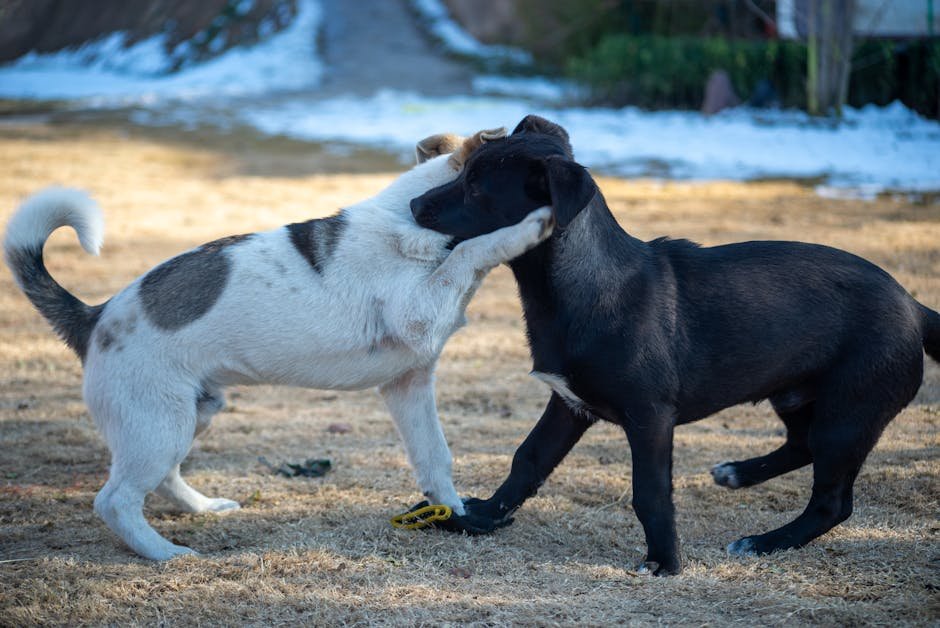
Dog socialisation tips UK are essential for nurturing your furry friend into a well-adjusted pet. Many dog owners face challenges socialising their pets, which can lead to behavioural issues and stress. In this guide, you’ll find practical advice and steps to ensure that your dog develops positive relationships with other animals and humans.
Quick answer: Dog socialisation tips UK focus on gradual exposure, positive reinforcement, and regular interaction with different environments. Start with controlled situations, reward good behaviour, and gradually introduce more complex settings. Consistency and patience are key to successful socialisation.
You can find more helpful resources on dogparksnearme.pet.
Key Takeaways
- Start socialisation early.
- Use positive reinforcement.
- Introduce varied environments.
- Be consistent and patient.
- Seek professional help if needed.
Dog Socialisation Tips UK: Essentials for New Owners
Dog socialisation tips UK guide pet owners through building their dog’s confidence and adaptability. Essential tips include starting socialisation early, using positive reinforcement, and introducing your pet to various environments. This approach helps mitigate anxiety and fosters a happy, well-rounded pet.
When a dog is well-socialised, they’re more likely to fit seamlessly into everyday activities and be comfortable around different people and situations. In contrast, a dog that hasn’t been socialised may exhibit fear or aggression, making outings stressful for both the dog and the owner. Early intervention is crucial — the earlier you begin, the better your chances of success.
It’s best to introduce socialisation gradually. Start with familiar environments where your dog feels safe. Introducing them to family members and friends first can help ease the transition. Use this time to observe how your dog reacts, providing gentle corrections and lots of praise for positive interactions. Treat-laden pockets can work wonders here; dogs love learning when there’s a reward involved.
Imagine a typical day at your local park. You see a dog bounding joyfully towards a group of children, tail wagging, and you notice how easily they blend into the scene. This is the outcome of diligent socialisation efforts by their owner. It’s the result of countless days spent in various settings, introducing new stimuli one piece at a time. The real-world difference isn’t just about obedience; it’s about creating a dog who truly enjoys life alongside you.
Professional advice is available if you’re unsure where to start. Many trainers offer services specifically designed to aid in socialisation. According to the Dogs Trust, enlisting the aid of a qualified trainer can help target specific issues and tailor the process to your dog’s needs.
Why Socialisation Matters
Socialisation is critical in ensuring dogs interact positively with the world. It involves exposing your pet to new experiences, people, and animals, reinforcing good behaviour with rewards like treats or praise. When begun early, it sets the foundation for a balanced and confident pet, crucial for lifelong well-being.
Without socialisation, dogs might develop fears or phobias, leading to behaviour issues. Imagine a pet that barks uncontrollably at strangers or pulls on the lead when encountering other dogs. Most undesired behaviours have roots in poor socialisation. Anxiety and aggression in dogs often stem from these insecurities. That’s why starting early gives them the best chance to adapt and thrive.
In practical terms, successful socialisation is about challenges just as much as rewards. Consider leaving your dog alone in a room or with a stranger for a short period. It’s as much about teaching them to feel secure without your constant presence as it is about playing with them. Gradually increase the complexity of the situations. No one jumps straight from a quiet living room to a bustling city street.
Think of Missy, a four-year-old Labrador, who spent her early months socialising in bustling areas around Sheffield. Her owner routinely took her to cafes, parks, and even on public transport. Initially, she was shy, hiding behind people. But, with gradually increasing stays and rewards for calm behaviour, she’s now a regular on the 52 tram, settling quietly by her owner’s feet. A testament to patience and resilience.
Keep in mind that it’s never too late to start socialisation. Older dogs can learn with patience and a positive approach. According to the RSPCA, even adult dogs benefit from structured interactions, though it requires more time and perseverance. Taking it slow and steady, and keeping things positive ensures successful outcomes.
Positive Experiences and Techniques
For effective socialisation, prioritise positive experiences and utilise proven techniques. Introduce your dog to new environments and people while ensuring each experience ends on a happy note. Use toys, praise, and treats to reinforce calm and pleasant behaviour, building a confident and adaptable companion.
The key to positive socialisation is creating good associations. Take encounters with strangers as an opportunity to distribute treats: a dog’s natural inclination to seek reward can distract them from perceiving new contacts as threats. This creates a positive link between meeting people and receiving treats, reducing anxiety and fostering enjoyment of new situations.
One technique to explore is ‘circle walking’. Start by walking your dog in a circle around unfamiliar objects or people, maintaining a comfortable distance. Gradually decrease the distance in subsequent walks. This technique allows dogs to process new stimuli at their pace, reducing stress and encouraging curiosity instead of fear.
Consider the experience of Lukas, a young Beagle from Bristol. Initially terrified of traffic sounds, his owner employed gradual exposure combined with constant rewards. During walks, Lukas was rewarded with treats whenever he calmly observed a passing car. Over time, his anxiety diminished. Now, the sight and sound of traffic barely ruffle him as they navigate through busy city streets — a transformation driven by consistent positive reinforcement.
If challenges persist, professional canine behaviourists can provide tailored advice. The MHF suggests collaboration for persistent fears, particularly if self-directed efforts haven’t succeeded. Consulting qualified professionals ensures any ongoing behaviour issues are addressed responsibly and effectively.
How can you address common socialisation challenges?
Addressing socialisation challenges involves understanding individual dog traits, consistent exposure to diverse environments, and using positive reinforcement to encourage good behaviour. Many new dog owners encounter hurdles in socialisation but learning how to handle these challenges can lead to success.
Dogs, much like people, come with their own personalities and quirks. Recognising your dog’s unique temperament is essential when facing socialisation hurdles. Some dogs may exhibit shyness or anxiety around new situations or animals. In such cases, a gradual approach is vital. Introduce your dog to new experiences slowly. Start in controlled environments and gradually increase exposure to diverse stimuli. Consistency is key; regular interaction is far more beneficial than sporadic efforts.
Pressure can often backfire, causing more harm than good. Instead, patience and understanding are your best friends here. Let’s say your dog is wary of other dogs; starting with calm, friendly ones is a good idea. Keep the initial interactions brief. Over time, your dog may become accustomed and more open to longer play sessions. Celebrate the small victories. Your enthusiasm can boost your dog’s confidence and solidify their positive memories.
According to the RSPCA, rewarding with treats or praise when your dog shows signs of calm behaviour reaffirms that it’s okay to trust unfamiliar things. Over time, consistent rewards during socialisation reinforce desired behaviours. It also helps in creating a strong bond between you and your pet, making them more responsive to your cues.
Consider the case of Lucy, a rescue dog with a fear of traffic. Her owner started by taking her on short walks during quiet times, gradually increasing the duration and busyness level as Lucy grew more confident. Slowly and patiently, her walks started including busier streets without anxiety. This small, steady progress is what effective socialisation is all about.
“Patience and perseverance are crucial when socialising your dog. The journey might be slow, but each small step is a step forward toward a well-adjusted pet,” says a behaviourist at Dogs Trust.
What role does the environment play in socialisation?
The environment plays a pivotal role in dog socialisation, impacting your dog’s comfort and behaviour. By carefully choosing the settings for socialisation, you can help ease anxiety and reinforce positive experiences.
Environmental choices can make or break socialisation efforts. If you begin in an overwhelming setting, your dog may become anxious, hindering progress. Early socialisation in quieter, controlled environments builds confidence. Start in a familiar setting where your dog feels secure — maybe the local park at a quiet time. Gradually introduce new environments such as bustling high streets or pet-friendly cafes. The idea is to slowly broaden their world, keeping experiences positive and manageable.
Consider noise levels, new smells, and unfamiliar sights when introducing your dog to different settings. Dogs have sensitive senses, so what may seem normal to you might be overwhelming to them. Introduce new elements incrementally. For instance, a dog new to beaches might start with a quieter visit before tackling a crowded seaside. Watch your dog’s reactions and adjust accordingly. Flexibility is crucial; what works for one outing might not for the next.
Data from PDSA indicates that well-exercised dogs are less prone to behavioural issues. Keeping activity fun and variable helps. By rotating environments, you challenge your dog in a positive way, keeping them engaged and eager to explore new settings. This varied exposure is an integral part of their development, helping them adapt to diverse situations.
Take Max, who struggled with new noises. His owner used walks in progressively busier areas to incrementally increase his comfort zone. Over time, Max learned to ignore the hustle and bustle, enjoying urban outings as much as his quiet park visits. The environment, when managed well, becomes a friendly teacher rather than an overwhelming challenge.
In practice, many dog owners overlook their pet’s nuanced responses to new environments. Not every outing should aim for maximum exposure; often, less is more.
How do socialisation classes aid in dog development?
Socialisation classes are instrumental in dog development by providing structured environments where dogs learn essential social skills. These classes offer benefits that extend beyond basic training, fostering well-adjusted and confident dogs.
Classes provide your dog with controlled, positive interactions with other dogs and people. The structured setting ensures that experiences are safe, supervised, and conducive to learning. This environment is particularly beneficial for first-time dog owners who might be unsure about handling introductions. Moreover, classes offer a platform for problem-solving common behavioural issues in a supportive atmosphere.
Trainers in socialisation classes utilise proven techniques to address various dog behaviours. For instance, timid dogs receive gentle encouragement, while more boisterous ones learn boundaries. These classes often include a mix of play and learn, ensuring dogs are both physically and mentally stimulated. This method can efficiently speed up the socialisation process, as dogs get repeated exposure under guided supervision.
The Dogs Trust notes that socialisation classes are particularly effective for puppies, who are in a crucial period for learning social cues. Regular attendance helps cement essential skills, which are then easily transferable to real-world scenarios. These classes can be a stepping stone for integrating learnt behaviours into everyday life.
Consider Bella, a young pup who was initially fearful of other dogs. Through socialisation classes, she learned to interact positively, gradually building her confidence. Her owner noticed a marked difference during walks and playdates; Bella was more relaxed and eager to interact, showcasing the lasting impact of these structured classes.
In practice, many owners assume socialisation classes are only for young pups, but older dogs can also benefit immensely. Taking the first step towards enrolling in these classes can make all the difference in your dog’s social journey.
How can socialisation impact a dog’s mental health?
Socialisation significantly influences a dog’s mental health by providing essential interaction and experiences. Meeting other dogs and people helps reduce anxiety and promotes confident, well-adjusted behaviour, crucial for mental well-being. Without proper socialisation, dogs might develop fears of new environments or display aggressive tendencies in unknown situations.
Consider the typical ‘walk in the park’ scenario. For a dog well-versed in social cues, this is an engaging, stimulating experience, full of sniffing opportunities and friendly interactions. However, for poorly socialised dogs, the same park can be a source of stress, leading to barking, pulling on the lead or display of nervous aggression. The ability to process these scenarios healthily is rooted in early social experiences.
The Mental Health Foundation emphasises the importance of mental well-being for everyone, including dogs. Anxiety and stress can manifest in physical symptoms such as digestive issues or excessive licking, which can be distressing for both pet and owner. Effective socialisation helps mitigate these issues by teaching dogs to feel secure and happy in a variety of settings, thus preventing the onset of stress-related conditions.
Training classes can be a remarkable resource for developing these mental resilience skills. They often provide structured environments where dogs learn to interpret and react appropriately to various stimuli, creating a foundation of positive experiences. Many professionals find that training classes significantly advance a dog’s ability to cope with stressors in the wider world long after lessons have ended.
According to the Dogs Trust, well-socialised dogs are less likely to develop common behavioural problems that stem from poor mental health, such as anxiety or destructive behaviour. They recommend starting socialisation early but note that it’s never too late to help an adult dog adjust to new experiences.
Practical example? Think of Lucy, a five-year-old rescue dog with a timid nature. Her new owners patiently exposed her to various environments with calm, socialised dogs. As a result, Lucy began approaching new dogs and situations with increased interest rather than fear, demonstrating the profound impact socialisation can have at any life stage.
What are the key differences between urban and rural socialisation?
Urban and rural environments offer distinct socialisation challenges and benefits for dogs. Urban socialisation involves adapting to diverse stimuli ranging from crowded pavements to loud noises and constant human activity. Rural socialisation focuses more on natural cues, wildlife and expansive spaces, shaping different behavioural traits in dogs.
Dogs in cities often need to navigate crowded streets and public transport systems. They become accustomed to encountering a wide variety of people and dogs daily. This environment can enhance a dog’s adaptability and confidence in hectic situations. However, owners need to be vigilant about potential hazards, such as traffic and noise pollution.
In contrast, rural socialisation offers space to roam and interact with nature, allowing dogs to respond to wildlife and different terrains. The challenge lies in fewer opportunities for human and canine interactions. It’s essential to create learning situations by arranging playdates or visiting popular walking spots where dogs can meet others.
Both environments have their pros and cons. In cities, dogs might develop social inhibition due to overstimulation, while in the countryside, dogs might feel overwhelmed when encountering new environments due to less frequent social interactions. Owners should tailor socialisation according to their dog’s environment, ensuring exposure to a balanced mix of stimuli.
Natural England highlights the significance of outdoor spaces for cognitive stimulation, which benefits dogs in both urban and rural settings. The balance of stimuli is key to creating a dog comfortable in a variety of environments.
Consider an owner living in rural Yorkshire, taking their sheepdog to the bustling city of Leeds. Without prior socialisation to urban stimuli, the dog might initially react with anxiety to the sights and sounds. Gradual exposure to similar environments prepares them, easing the transition and ensuring a confident, relaxed demeanor.
How do genetics and breed impact socialisation?
Genetics and breed significantly affect a dog’s socialisation needs and outcomes. Different breeds have distinct characteristics that influence their social behaviour, and understanding these traits helps tailor effective socialisation strategies. While socialisation can modify behaviour, genetics predetermine the baseline of how a dog might respond.
Consider working breeds like Border Collies. These dogs are naturally high-energy and require constant mental stimulation. Proper socialisation involves introducing them to agility courses or herding-like activities to satisfy their instincts. By contrast, breeds like Bulldogs may require different socialisation, often focusing on quieter environments to prevent overwhelming them.
According to RSPCA, understanding your dog’s breed-specific traits helps anticipate potential behavioural challenges. Breed tendencies, like a Terrier’s prey drive or a Labrador’s friendliness, can directly influence how they react to new stimuli. Implementing breed-specific socialisation provides tailored approaches to managing these instincts and promoting positive behaviours.
In multicellular interactions, genetics might influence how a dog perceives hierarchies or responds to authority figures, impacting situations where group dynamics come into play. The intrinsic reliability of a breed towards certain tasks or responding to commands can also be a genetic predisposition. It’s critical for owners to identify these characteristics and adjust training accordingly to draw out the best behaviour.
Take a Golden Retriever versus a German Shepherd. The former often thrives on human interaction and eagerly accepts new friends, while the latter might exhibit a reserved nature due to their protective instincts. Understanding these tendencies ensures a more informed approach to socialisation, fostering well-rounded, adaptable pets.
| Option | Best For | Cost |
|---|---|---|
| Puppy Training Classes | Young puppies learning social skills | £50-£100 for a course |
| Dog Parks | Regular socialisation and exercise | Free |
| Private Behaviourist Sessions | Dogs with specific social challenges | £40-£80 per hour |
| Group Walks | Moderately social dogs | £10-£20 per walk |
| Doggy Daycare | Busy owners needing regular socialisation | £20-£40 per day |
Frequently Asked Questions
How long does it take to socialise a dog?
The time it takes to socialise a dog varies. Puppies benefit from early and regular socialisation during their first three months. Older dogs might need more time, perhaps several months, to adjust and learn. Consistency is key, aiming for brief daily interactions.
Can older dogs be socialised?
Yes, older dogs can be socialised. While it’s often easier with puppies, many older dogs successfully adapt with the right approach and patience. Using gradual exposure and rewarding positive behaviour fosters a friendly, confident dog.
Is dog daycare good for socialisation?
Dog daycare can be excellent for socialisation, especially for dogs that enjoy company. They interact with various dogs, learning vital social skills. However, it’s not ideal for all—some dogs may find it overwhelming. A trial session is recommended.
What are the signs of good socialisation in dogs?
Signs include a calm demeanour during interactions, confidence in new environments, and appropriate play behaviours. A well-socialised dog manages situations without excessive barking or fear. Observing these signs indicates successful social development.
How can I help my dog if it’s shy or anxious?
Gradual exposure helps shy or anxious dogs. Start with calm environments before introducing more stimuli. Positive reinforcement encourages confidence. Consulting a behaviourist can provide tailored strategies. For more tips, see RSPCA.
I have years of experience helping pet owners and writing about dog behaviour and socialisation in the UK.
Final Thoughts
Dog socialisation tips UK can really make a difference. Start early if possible, use consistent daily practice, and tailor approaches to your dog’s unique personality and needs.
For a practical step, consider visiting a local puppy class or arranging a group walk with other pet owners. Often, other owners in your area can offer insights and support.
Sharing experiences and tips can be incredibly beneficial in enhancing your dog’s social skills and behaviour.
📚 You May Also Like

May 15, 2026
Oct 23, 2025
References
- [1] Dogs Trust — https://www.dogstrust.org.uk/help-advice/dog-behaviour/my-dog-is-fearful
- [2] RSPCA — https://www.rspca.org.uk/adviceandwelfare/pets/dogs/behaviour/socialising
- [3] PDSA — https://www.pdsa.org.uk/what-we-do/veterinary-services/environment
- [4] Dogs Trust — https://www.dogstrust.org.uk/help-advice/training/puppy-socialisation-guidelines
- [5] Dogs Trust — https://www.dogstrust.org.uk/help-advice/dog-care/socialisation
- [6] RSPCA — https://www.rspca.org.uk/adviceandwelfare/pets
- [7] RSPCA — https://www.rspca.org.uk/adviceandwelfare/pets/dogs/company/socialisation

Author: Dog Parks Directory UK
About DogParksNearMe.Pet DogParksNearMe.Pet was created with one simple goal: to make life easier for dog owners and dog lovers who want to find the perfect place for their pups to stretch their legs, chase a ball, or just enjoy the great outdoors. Whether you're after a spacious dog-friendly park, planning a picturesque walk, or simply hunting down a green spot where your furry friend can have a runaround, you're in the right place. As dog lovers ourselves, we know how important it is to give our dogs the freedom, fun, and fresh air they deserve. That’s why we’ve built an easy-to-use platform to help you discover dog parks near you, explore scenic walking spots, and uncover the best outdoor spaces across the UK – from peaceful countryside trails to buzzing city parks. Think of us as your go-to guide for dog-friendly locations. And while we’ve tracked down some cracking spots, we know there’s always more to sniff out. If your favourite dog park isn’t listed, don’t worry – you can add it to the site for free in just a few clicks. It’s quick, simple, and helps fellow dog lovers find their next favourite walk too. Free Listings – Always…


Looking for a Dog Park in UK? Search below