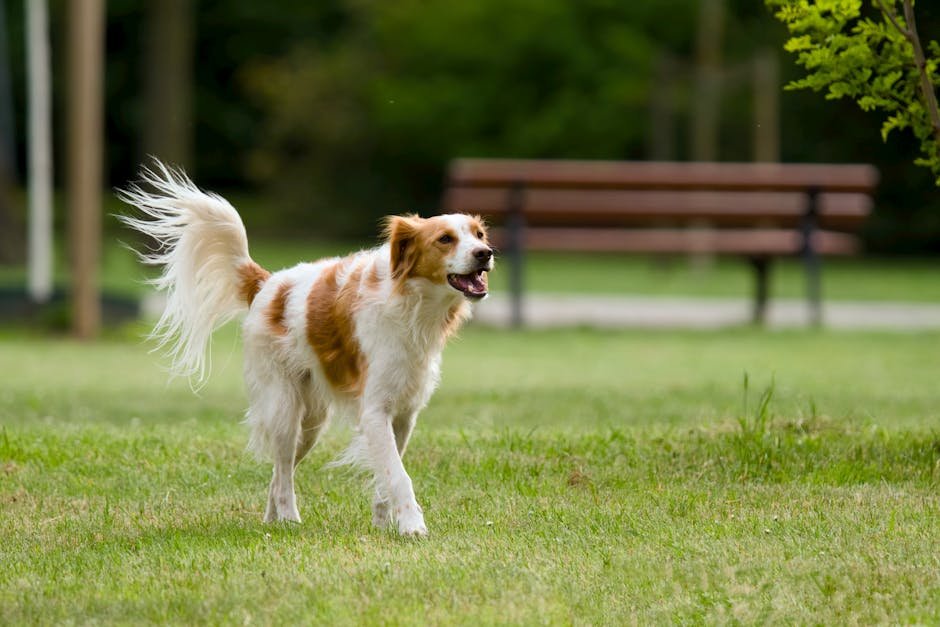
Dog park socialising tips UK play a vital role in making sure your furry friend enjoys their playtime and stays safe. Many dog owners face challenges, from overly excited pups to encounters with aggressive dogs. This guide will provide concrete strategies to tackle these common issues, ensuring a pleasant experience for both you and your dog.
Quick answer: Dog park socialising involves preparing your dog with basic training, monitoring interactions closely, and choosing suitable parks. Start with short visits to observe how your dog interacts before extending your stay. Being vigilant and responsive to your dog’s behaviour ensures a positive experience.
You can find more helpful resources on dogparksnearme.pet.
Key Takeaways
- Start with basic obedience training.
- Observe your dog’s body language.
- Choose parks with good reviews.
- Avoid peak busy times.
- Always clean up after your dog.
Why is dog park socialising important?
Dog park socialising is essential for your pet’s mental and social development. Regular exposure to different dogs and environments helps reduce anxiety and improve behaviour. Socialising teaches dogs to communicate and play appropriately, leading to happier and healthier pets.
For many dogs, socialising at the park is like a school playground for children. It’s where they learn critical social cues and how to read other dogs’ body language. Without this, dogs may struggle in new situations or exhibit behavioural problems. Ensuring they’re well socialised can prevent fights and contributes significantly to their well-being.
However, not all dogs take to social environments naturally. Some may need gradual exposure or prefer one-on-one interactions. Weather conditions can also impact a dog’s comfort level, so being mindful of hot sunny days or chilly mornings is wise. Compromise and adjust outings based on your pup’s feedback.
According to the Dogs Trust, well-socialised dogs are less likely to exhibit fear or aggression. They enjoy better health and adapt more easily to changes. So, take your time introducing your pup to park visits. Begin with short stints and gradually extend them as your pet becomes more confident.
An example: Imagine taking your young spaniel to the local park. Initially, she might cower or cling to your side. But over a few weeks of short visits, she begins to greet new dogs with a wagging tail and curiosity. Her interactions improve her confidence and make her a happier companion at home.
How can I prepare my dog for socialising?
Preparing your dog for socialising involves training, desensitisation, and selecting the right setting. Start by reinforcing basic commands like sit, stay, and leave it. This foundation ensures you can manage your dog in various situations.
Begin with controlled environments such as puppy classes or small, well-supervised playdates. This allows your dog to learn how to communicate in a more predictable setting. Recall training is particularly crucial so that, if necessary, you can quickly get your dog’s attention during a park visit.
Timing your visits when the park is less crowded can also be advantageous. Early morning or late afternoon often sees fewer visitors, providing a calmer environment. Watch for times when local events aren’t taking place, avoiding added chaos that may overwhelm a novice pup.
Survey data from Dogs Trust indicates that over 70% of dog owners find gradual exposure helps their dogs adjust better to park environments. This step-by-step acclimation reduces stress and makes for a happier outing.
For example, take Bella, a timid Terrier, who blossomed through staged visits. Her owner started by walking past the park daily without entering, allowing Bella to grow accustomed to the sights, sounds, and scents. With time, the apprehension faded, and she now eagerly joins in as a park regular.
Common challenges and how to overcome them
Common challenges of dog park socialising include aggressive dogs, overzealous play, and owner neglect. Being proactive and understanding the dynamics can alleviate most issues. Observing interactions, stepping in when necessary, and leaving if tensions escalate, keep everyone safe.
Learning to read canine body language becomes invaluable. A stiff posture or growl means something’s off and signals time to intervene. Recognising these signs helps prevent altercations and ensures a pleasant outing. Always set boundaries and redirect inappropriate behaviour promptly.
Equip yourself with strategies beforehand. Carry treats for positive reinforcement and a whistle to get your dog’s attention if things get too hectic. Being prepared helps you respond quickly and maintain control during unexpected encounters, ensuring a safe and enjoyable environment.
A UK study from Dogs Trust revealed that nearly 40% of park incidents relate to lack of owner supervision. Keeping a close eye on your dog’s playtime can curb potential issues. Lead by example and encourage other owners to do the same.
Consider Daisy, a Labrador with boundless energy. Last week, she got a bit too rough with a smaller dog. Her owner was quick to step in, offering a distraction with a favourite toy. They watched for a calmer moment before suggesting a new game, diffusing tension and transforming the interaction into a positive experience.
What should you bring to the dog park?
Heading to the dog park requires a bit of planning. Bring essentials like water, a collapsible bowl, a few favourite toys, and biodegradable poop bags. Being well-prepared ensures you’re ready for an enjoyable and responsible outing with your pup.
Water is crucial. Let’s face it, dogs zoom around and get dehydrated fast. A portable water bottle and bowl mean your dog can have a drink whenever thirst strikes. It might seem like a small detail, but keeping your dog hydrated is essential for their safety and enjoyment at the park.
Toys can also make a difference. While some dogs adore chasing the same ball over and over, others might need a bit of encouragement to interact. Bringing along a toy like a frisbee or tug rope can help break the ice and offer your dog something familiar in a stimulating environment. Just be mindful to put toys away if other dogs begin to get possessive or confrontational.
Don’t forget poop bags. It’s simple but often overlooked. Picking up after your dog is not just courteous to other park-goers but also keeps the area clean. According to Dogs Trust, leaving dog waste can spread parasites and illnesses to other pets. A little preparation goes a long way in keeping the park a pleasant place for everyone.
In practice, many owners get caught up in the excitement of the park and forget the basics. Before you leave home, double-check your bag for essentials. It’s better to be slightly over-prepared than to find yourself without something crucial at the park.
How do you handle negative interactions with other dogs?
Handling negative interactions at the dog park requires a cool head and quick action. If your dog faces aggression, call them to you immediately and move to a different part of the park until tempers cool. Stay calm and avoid escalating the situation.
Avoiding panic is key. Dogs pick up on our stress, which can exacerbate their reaction. If tensions rise, focus on getting your dog out of the altercation. Often, a simple “come” command or even a favourite treat can redirect your dog’s attention and allow a graceful exit from a potential scuffle.
Understanding canine body language helps significantly. Watch for signs of discomfort like a stiff tail, growling, or raised hackles. Advanced warning means you can intervene before a situation escalates. Many dog owners mistakenly think all interactions should be left alone to ‘sort themselves out’, but this can lead to unnecessary confrontations.
Always chat with other dog owners if issues arise. A quick discussion can clear the air and help prevent recurring problems. According to the RSPCA, understanding when to step in during socialisation can improve experiences for both dogs and owners. Communication often eases tensions and prevents further incidents.
An experienced trainer notes, “Confidence and observation are your best tools in de-escalating dog scuffles at the park. Stay aware, but don’t hover nervously.”
How do I build my dog’s confidence at the park?
Building your dog’s confidence at the park means gradual exposure and lots of positive reinforcement. Begin with short visits during quieter times, rewarding calm and positive behaviour with treats and praise. Gradually increase the length and frequency of visits as confidence grows.
Every dog is different. Some might confidently strut around from day one, while others hang back nervously. The trick is to find a balance that works for your dog’s temperament. When they engage positively, reward them. Reinforcement encourages confidence over time and solidifies positive park experiences into their routine.
Start small if your dog is a bit on the shy side. Visit during off-peak hours at first and let them observe from outside the fence if needed. Gradually introduce them to the environment at a pace they’re comfortable with. In no time, your furry friend will feel secure enough to join the action.
According to the Mental Health Foundation, positive social interactions can significantly improve a dog’s mental wellbeing, reflecting the same benefits we see in humans. It’s a heartening reminder that the simple act of visiting the park isn’t just fun — it’s enriching for your pet too.
How to Read Your Dog’s Body Language at the Park?
Understanding your dog’s body language is crucial for ensuring a positive experience at the dog park. It involves observing various signals such as tail wagging, ear position, and facial expressions to assess whether your dog is comfortable or stressed. Recognising these cues helps you intervene when needed to maintain social harmony.
Tail position can tell you a lot. A wagging tail doesn’t always mean happiness. If it’s high and stiff, your dog might be agitated or over-excited. On the other hand, a low or tucked tail generally indicates submission or fear. Keep an eye on this during interactions with unfamiliar dogs.
You should also pay attention to your dog’s ears. Ears pinned back can be a sign of stress, while ears standing tall may indicate alertness or aggression. Understanding these subtle changes allows you to act swiftly. Calm your dog, or even remove him from a tense situation if necessary.
Facial expressions give additional context. Bared teeth can be a clear sign of aggression or discomfort, while a relaxed face with a soft, open mouth often means your dog is comfortable and at ease. Observing this can help prevent negative encounters and assure a happier time at the park.
According to RSPCA, understanding body language is key to ensuring your dog can navigate social settings safely. They highlight that a well-read dog is often a well-behaved one, as you can prevent and manage miscommunications proactively.
For example, imagine you’re at the park and notice your dog’s ears suddenly go back and his tail start to drop as another dog approaches. This would indicate that he’s uncomfortable. By recognising this, you can either redirect his attention with a toy or move him away from the situation altogether. This proactive approach can make a world of difference.
How to Choose the Right Time for Your Dog Park Visit?
Choosing the right time to visit a dog park can dramatically influence the quality of your visit. It largely depends on your dog’s personality and socialisation needs. Off-peak times generally offer a more controlled environment for shy or reactive dogs, while peak times can provide ample social opportunities for more confident dogs.
If your dog is shy or easily overwhelmed, late mornings or early afternoons can be best, especially on weekdays. Fewer visitors mean less chaos and more personal time for your dog to explore and become comfortable with the surroundings at his own pace. Regular visits during these quieter periods can gradually build your dog’s confidence.
For more socialised or energetic dogs, busy periods like weekends or late afternoons might be ideal. The park fills with dogs of all kinds, providing rich social experiences. It’s essential, though, to keep a close eye on interactions to ensure they’re positive. If you find it too hectic, choosing slightly less busy times may still offer enriching experiences.
Weather conditions also play a significant role. During particularly hot spells, visiting early in the morning or later in the day protects your dog from heat-related stress. Keep an eye on the forecast and always have water on hand to keep your dog hydrated and comfortable.
According to Which?, timing your visit correctly can enhance your dog’s satisfaction. Their surveys show that visitors who plan their visits based on their dog’s temperament and local conditions report more fulfilling and stress-free outings.
An example of timing consideration is a young Labrador who thrives on social interaction but becomes overwhelmed in large groups. By visiting the park right after morning rush hour, the dog can meet a few playmates without being swamped, thus ensuring an enjoyable experience for both him and his owner.
What Breeds Might Struggle at Dog Parks?
Certain dog breeds may face challenges at dog parks. Breeds with strong territorial instincts or those that are prone to anxiety may struggle in busy environments. It’s important for owners to know their breed’s tendencies and plan appropriately.
Breeds like the Akita or Alaskan Malamute, known for their strong territorial instincts, might be better suited to controlled environments. These breeds might find a packed dog park overwhelming, leading to potential aggression if not monitored carefully.
Smaller breeds, such as Dachshunds or Chihuahuas, might also experience stress amidst larger, more boisterous dogs. Close supervision and selective breeding sessions with compatible playmates can ease these concerns, helping your pet adjust to social settings positively.
Breeds prone to anxiety, such as Border Collies, may also benefit from quiet times at the park. Consistent routines and training sessions can help them acclimate to the dog park environment. By gradually increasing their exposure, these breeds can better adapt over time.
Data from the Dogs Trust suggests that understanding your dog’s breed traits can significantly impact their social success. The charity advises assessing needs based on breed characteristics before deciding on park visits.
Consider a German Shepherd, known for their intelligence and protective nature. Bringing him to a low-traffic park during less-busy hours initially can help manage his environment. Once accustomed, slowly introducing him to peak times can gradually build his confidence and social strength.
| Option | Best For | Cost |
|---|---|---|
| Local Dog Park | Casual play and socialising | Free |
| Dog Training Classes | Structured socialisation | £50-£100 per session |
| Pet-Friendly Cafés | Controlled environments | Cost of food/drink |
| Dog Daycare | All-day social interaction | £20-£40 per day |
Frequently Asked Questions
How do I socialise a dog in a park?
Start with a quiet park during off-peak hours. Allow your dog to observe from a safe distance before engaging. Use positive reinforcement to reward calm behaviour and slowly increase interaction time as your dog gains confidence.
What should I bring to a dog park?
Bring essentials such as a lead, poop bags, water, and a portable bowl. It’s also a good idea to carry some treats and a toy. These can help in redirecting or rewarding your dog’s behaviour.
Are dog parks safe for puppies?
Puppies can visit dog parks if they’ve had all their vaccinations. However, supervision is key. It’s best to socialise puppies with dogs of a similar size and energy level to prevent overwhelming them.
How to handle aggressive dogs at the park?
If an aggressive dog approaches, remain calm and assertive. Avoid direct eye contact with the aggressive dog and call your dog back to you. If necessary, report any repeated incidents to park authorities to ensure a safe environment for all.
What if my dog is shy at the park?
Gradually introduce shy dogs to the park by starting during quieter times. Engage them in play with a familiar toy and stay close to offer reassurance. Progress at your dog’s pace, using positive reinforcement to encourage confidence.
Author credibility: Experienced pet behavioural consultant with a focus on effective dog socialisation strategies in urban environments.
Final Thoughts
The “dog park socialising tips uk” guide boils down to choosing the right time, staying calm, and using positive reinforcement. Tailor the approach to your dog’s unique temperament and always be ready to adapt. That’s real progress.
An immediate next step? Visit your local dog park during a quiet period and let your pooch take in the sights and sounds from a safe distance. Socialising is about gradual exposure and positive experiences, so ease your dog into the mix at their own pace.
For further advice on dog behaviour, the Dogs Trust FAQs can be helpful.
Additionally, consider joining online forums or local social media groups to connect with other dog owners who frequent your chosen park. They can offer valuable insights and may even introduce you to a doggy playgroup. Remember, each visit is an opportunity for your dog to learn and grow.
📚 You May Also Like

May 30, 2026

May 19, 2026

References
- [1] Dogs Trust — https://www.dogstrust.org.uk/help-advice/advice-for-owners/understanding-dogs
- [2] Dogs Trust — https://www.dogstrust.org.uk/how-we-help/lost-and-found/stray-dogs
- [3] RSPCA — https://www.rspca.org.uk/adviceandwelfare/pets/dogs/behaviour/socialising
- [4] Mental Health Foundation — https://www.mentalhealth.org.uk/our-work/projects/thriving-pets-families
- [5] RSPCA — https://www.rspca.org.uk/adviceandwelfare/pets/dogs/behaviour/bodylanguage
- [6] Which? — https://www.which.co.uk/reviews/dog-parks
- [7] Dogs Trust — https://www.dogstrust.org.uk/dog-advice/socialisation
- [8] Dogs Trust FAQs — https://www.dogstrust.org.uk/help-advice/advice-for-owners/factsheets-and-leaflets

Author: Dog Parks Directory UK
About DogParksNearMe.Pet DogParksNearMe.Pet was created with one simple goal: to make life easier for dog owners and dog lovers who want to find the perfect place for their pups to stretch their legs, chase a ball, or just enjoy the great outdoors. Whether you're after a spacious dog-friendly park, planning a picturesque walk, or simply hunting down a green spot where your furry friend can have a runaround, you're in the right place. As dog lovers ourselves, we know how important it is to give our dogs the freedom, fun, and fresh air they deserve. That’s why we’ve built an easy-to-use platform to help you discover dog parks near you, explore scenic walking spots, and uncover the best outdoor spaces across the UK – from peaceful countryside trails to buzzing city parks. Think of us as your go-to guide for dog-friendly locations. And while we’ve tracked down some cracking spots, we know there’s always more to sniff out. If your favourite dog park isn’t listed, don’t worry – you can add it to the site for free in just a few clicks. It’s quick, simple, and helps fellow dog lovers find their next favourite walk too. Free Listings – Always…


Looking for a Dog Park in UK? Search below