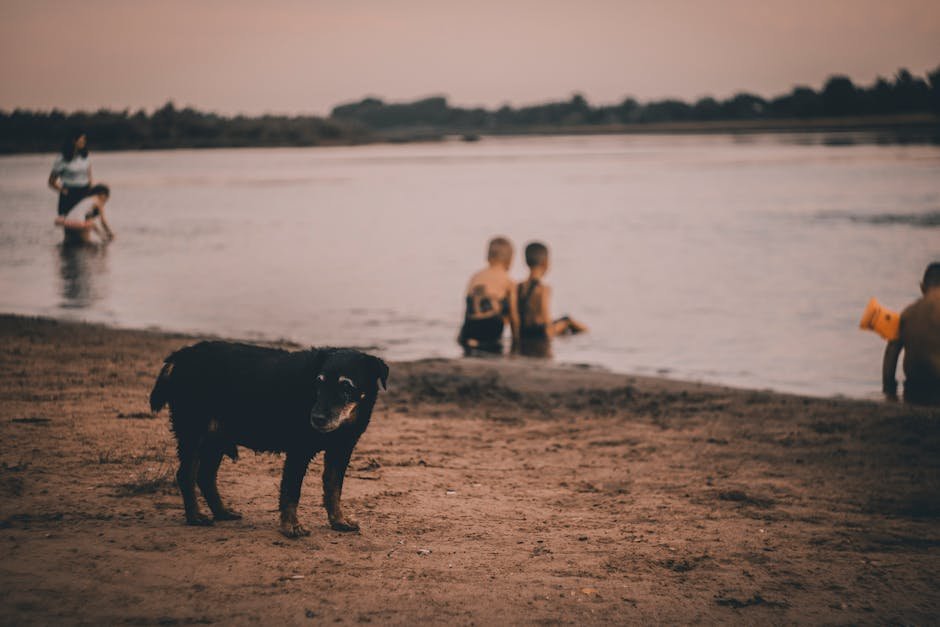
Dog in hot weather UK conditions can be a real concern for pet owners. Despite the UK’s often mild climate, unexpected heatwaves can catch you and your furry friend unprepared, leading to dangerous situations. This guide will give you practical advice to ensure your dog’s safety and comfort whenever the temperatures rise unexpectedly.
Quick answer: Dog in hot weather UK precautions involve ensuring your pet stays hydrated, avoiding exercise during peak temperatures, and providing shade and ventilation. These measures help prevent heat-related illnesses and keep your dog safe and comfortable in the heat.
You can find more helpful resources on dogparksnearme.pet.
Key Takeaways
- Hydrate your dog frequently.
- Avoid midday walks.
- Watch for signs of overheating.
- Create a cool resting spot.
- Use pet-safe sun creams.
What are the signs of heatstroke in dogs?
Heatstroke in dogs is a serious condition. Symptoms include excessive panting, drooling, lethargy, and in severe cases, vomiting or collapse. Recognising these signs early can be lifesaving. If you notice these symptoms, act quickly to cool your dog and seek veterinary help immediately.
Heatstroke occurs when a dog cannot regulate its body temperature effectively in hot weather. Dogs primarily cool themselves through panting, but this can be insufficient during extreme heat or vigorous activities. Their lack of sweat glands means they’re more prone to overheating, especially in a hot UK summer.
To prevent heatstroke, avoid exercising your dog during peak heat times, like midday when the sun is at its hottest. Providing plenty of fresh water and a shady spot can make a significant difference. According to the RSPCA, dogs can succumb to heat-related conditions quickly, so be vigilant.
Imagine it’s a typical UK summer’s day, and you’re enjoying the sun, but you notice your dog’s tongue is lolling out more than usual. They’re panting heavily even while lying down. Time to get them inside and cool them down. Think damp towels or a fan. A quick reaction can prevent a tragedy.
How can I keep my dog cool at home?
Keeping your dog cool at home during a hot spell involves creating a cool environment. Use fans or air conditioning if available, and ensure there’s always access to shade. You can also provide chilled water and wet towels for cooling. These simple steps help your dog stay comfortable indoors.
When the temperature rises, setting up a cooling spot for your dog is essential. Use a damp towel or cooling mat as their resting place. Avoid tiles or heated floors that can trap heat. It’s all about creating a comfy, low-stress area where your dog can escape the warmth.
Many owners find providing fresh drinking water continuously throughout the day invaluable. Ice cubes in their bowl can add extra refreshment. Some even get creative with doggie ice treats — frozen peanut butter or broth cubes can be a fun cooling snack. According to NHS guidelines on heatwave precaution, maintaining hydration is key in hot weather.
Picture this: you’re working from home, and it’s sweltering outside. Meanwhile, your dog is stretched out on a cooling mat, happily munching on an ice-cube treat. Thanks to your proactive measures, both of you are beating the heat comfortably.
Outdoor safety tips for dogs in hot weather UK
When planning outdoor activities with your dog in hot weather, choose times when temperatures are cooler, such as early morning or late evening. Ensure there’s a shaded area for breaks, and always carry water. These practices are vital for maintaining your dog’s well-being during outdoor adventures.
During a heatwave, strolls in the park might not be the best idea at lunchtime. Dogs can burn their paws on hot pavements — a fact often overlooked. Test the ground with your hand; if it’s too hot for you, it’s too hot for your dog’s pads. Consider grass or dirt paths until cooler ground is available.
Some owners, particularly in regions with limited shade, use portable sun shelters. These can be a game-changer on sunny days, offering protection and comfort wherever you are. According to a survey by Dog Lost UK, 80% of owners found that being proactive about sun protection kept their pets happier in the heat.
Let’s say it’s a bright afternoon, and you’ve decided on a beach outing with your dog. Don’t forget their drinking flask, a shaded tent, and maybe even pet-safe sun cream to protect sensitive noses and ears. With the right precautions, a summer day out becomes worry-free fun for both of you! Don’t forget to check out our guide on for more tips.
What foods help keep dogs cool in summer?
Keeping your dog cool in the summer often means refreshing their diet. Certain foods can help keep your dog’s temperature down while providing essential nutrients. Think hydrating fruits like watermelon and cucumber, but always check they’re dog-friendly first. These foods provide moisture and nutrients without excessive calories.
Feeding your dog watermelon — in moderation — can be a lifesaver on those sweltering days. The juicy fruit is mostly water, so it helps hydrate your pet while they munch away in bliss. Remember though, remove the seeds and rind before serving. Both can pose health hazards.
Cucumber is another fantastic choice. With its crunchy texture and low-calorie content, it makes for a refreshing, guilt-free snack. Just slice a few bits and keep them handy for when the heat seems unforgiving. It’s a bit like giving your dog its version of a cooling cucumber facial!
Also, consider freezing their favourite dog treats into ice cubes. These make for a fun and cooling snack that your furry friend will love slurping on. This neat little trick takes only minutes to prepare but can provide up to an hour of entertainment and relief from the heat.
According to the RSPCA, over 100,000 dogs suffer during hot weather each year due to lack of proper safety measures. Don’t let your pet become part of this statistic.
In practice, pet owners often overlook the importance of adjusting a dog’s diet during heatwaves. Many simply stick to routine meals, which might not be ideal in extreme temperatures.
How do I safely exercise my dog in hot weather?
Exercising your dog during the UK’s hotter months requires strategic planning. Timing and location are key. Opt for early morning or late evening walks when temperatures are cooler. This reduces the risk of your dog overheating.
Look for shaded areas or trail paths that provide some natural respite from the sun. Parks with ample tree cover are ideal. It’s not just about making the walk bearable – it’s about ensuring your dog’s paws don’t burn on hot pavement. To check, use the back of your hand to feel surface temperature before setting out.
Keep the walks shorter than usual and incorporate gentle play instead of intense running. Playing fetch with a Frisbee or a soft tennis ball can be a fun alternative to the usual brisk walk or jog. Keep a collapsible water bowl handy for mid-walk refreshment.
Remember, dogs cool down much slower than humans. A hot dog’s panting might be mistaken for excitement, but it’s often a sign of overheating. Always have a plan to cool your pet down quickly if needed, such as using a wet towel.
According to the Blue Cross, a mere 10 minutes of high-energy activity in direct sunlight can place a dog at risk of heat stress.
A surprising tip: Wetting your dog’s fur before a walk can help regulate their body temperature. Just embrace the dampness as a new fashion statement.
How do I protect my dog’s feet from hot pavements?
The summer sun can turn pavements into culinary hot plates, putting your dog’s paws at serious risk. Awareness is your best defense. Check the ground temperature before heading out. If it’s uncomfortable for your bare hand, it’s unsafe for your dog too.
Paw balms offer an extra layer of protection. They work like invisible booties, forming a barrier between your dog’s sensitive pads and the searing asphalt. Apply generously before walks and again when returning home to soothe any irritation.
Cooling mats can be carried along. Spreading it on pavements before your dog settles down ensures they aren’t scorched. This portable oasis can make all the difference during a break or at a café’s outdoor seating.
Pavement alternatives like grassy areas or wooded trails not only protect paws but also keep walks interesting with different scents and textures. This exploration can become a favourite pastime, enriching your pet’s routine.
The PDSA estimates that a dog’s paw pad burns can occur in less than a minute on hot surfaces, making vigilance essential.
Many dog owners assume that only dogs in areas with prolonged sun exposure are at risk. Wherever the sun shines, your dog’s paws can suffer. So, keeping walks in shaded areas or grassy surfaces can help.
What Should You Avoid Doing With Your Dog in Hot Weather?
Understanding what you shouldn’t do with your dog during hot weather is crucial for their safety. Avoid intense exercise, leaving them in parked cars, or using muzzles that restrict panting. It’s about identifying risks and acting wisely.
Leaving dogs in cars, even briefly, poses dire risks. During hot weather, a parked car can rapidly become an oven. According to data from the RSPCA, temperatures inside vehicles can rise 20°C higher than outside within minutes. This heat can lead to heatstroke, a potentially fatal condition for dogs. Even with an open window, the temperature can remain dangerously high.
Exercise is another area where caution is needed. It’s best to avoid walks or intense play during peak heat times. The hot pavement can scorch paws, while exertion under heat stresses a dog’s body. Instead, schedule walks early in the morning or late in the evening when temperatures drop slightly. If you must be outdoors, provide plenty of water and shade breaks for your furry friend.
Beware of Cooling Muzzles
Muzzles that hinder a dog’s ability to pant can be deadly. Panting is how dogs naturally regulate their body temperature. Depriving them of this mechanism, especially in summer, can lead to overheating. If your dog requires a muzzle, opt for a basket-style that allows them to pant freely. These considerations can greatly impact their health during warm months.
Consider a real-world scenario: you’re planning a summer day out. You might think it’s fine to leave your dog in the car for a quick stop at a shop, or you might decide on a longer walk around noon. Both choices pose severe risks if not managed carefully. Instead, plan dog-friendly activities that keep their health top of mind. Whether it’s choosing shaded areas or bringing a cooling mat, these adjustments ensure your pup’s safety while having fun.
In summary, staying informed about what not to do keeps dogs safe in hot weather. By understanding these risks and acting to avoid them, you’ll protect your dog’s well-being during the warmer months.
How Can Technology Help Keep Your Dog Cool?
Modern technology offers various ways to help keep your dog cool during hot weather. Cooling mats, smart fans, and even temperature-controlled dog houses can make a difference. Technology isn’t just a gadget; it’s a modern tool for pet safety.
Cooling mats are an excellent way to offer relief. These gel-filled pads activate on contact, absorbing body heat and maintaining a cool surface. Many retailers offer various sizes to suit different breeds, ensuring comfort for all. You can also explore options with pressure-activated cooling mechanisms for more significant relief, particularly for larger breeds or longer durations of time.
The rise of smart home devices changes how we manage pet comfort. Smart fans, adjustable via an app, help maintain a suitable environment. You can ensure your pet’s space remains fresh, regardless of rising outdoor temperatures. Coupled with apps tracking local temperatures, smart devices provide real-time insights, allowing you to adjust your approach throughout the day.
Temperature-Controlled Pet Homes
For those with outdoor spaces, temperature-controlled dog houses offer year-round comfort. Some models boast built-in air conditioning or advanced ventilation systems. It’s not just about keeping cool during summer but also offering a snug refuge during more extraordinary seasons. While an investment, these structures can significantly impact your dog’s overall quality of life.
Real-world use of these technologies shows substantial gains in managing pet welfare. For example, deploying a smart fan with a cooling mat has proven effective for a friend dealing with severe summer heat in southern England. The gadget adjusted automatically, keeping the temperature comfortably low, ensuring their pet’s happiness and health. Such anecdotes and technology are gradually becoming integral to experienced pet owners’ toolkits.
Thus, exploring how technology enhances pet safety is vital during hotter months. It demonstrates the evolving landscape of pet care and how these innovations are becoming essential components in maintaining canine health and well-being. When temperatures rise, these tools ensure your dog stays safe, relaxed, and comfortable.
Caring for Older Dogs in Hot Weather
Older dogs face increased risks during hot weather, requiring special care. Their aging bodies struggle more with temperature regulation, making them more susceptible to heat-related issues. Attention to their needs ensures their comfort and health.
Older dogs, especially those with health conditions, are prone to overheating. Their reduced efficiency in panting impedes their natural cooling mechanisms. According to research, older dogs are significantly more at risk for heatstroke compared to their younger counterparts. Taking preventative measures is crucial. This may mean earlier morning walks and ensuring ample water and shade during the day.
Joint health is another consideration. Older dogs often suffer from arthritis, exacerbated by hard or hot surfaces. Instead of long walks or vigorous play, engage them in gentle activities. Consider low-impact games or brief indoor exercises if outside temperatures rise. Providing supportive beds or cooling mats can assist in relieving arthritis-related discomfort.
Signs of Discomfort in Senior Dogs
Observing changes in behaviour is essential. Older dogs may quickly tire, show hesitance in movement, or exhibit signs of distress in heat. Pay attention to language expressed via panting, heavy breathing, or flat refusal to venture out. Maintaining an observant eye can catch potential issues early.
Consider the story of an owner in Bristol tending to an older Labrador. They adjusted summer activities to calmer routines, such as gentle garden strolls and extended indoor stays, with fans and hydration strategies. These tailored approaches address the particular vulnerabilities senior dogs face in sweltering conditions.
Ultimately, being aware and responding to the unique challenges older dogs face in hot weather can safeguard their health. Attentive owners recognise each dog’s requirements, tailoring care plans designed to shield them from summer’s dangers. Implementing these adjustments ensures that even in warm temperatures, senior dogs live full, comfortable, and safe lives.
| Option | Best For | Cost |
|---|---|---|
| Cooling Vest | Active Dogs | £20-£50 |
| Cooling Mat | Indoor Use | £15-£30 |
| Portable Water Bowl | Travellers | £5-£15 |
| Canopy Bed | Shaded Rest | £30-£60 |
| Dog Sunscreen | Nose and Ears | £6-£12 |
Frequently Asked Questions
How do I keep my dog cool in summer?
Ensure your dog has plenty of fresh water and access to shade. Use cooling mats and vests to help lower their body temperature. Avoid walking them during the hottest parts of the day. You can also provide them with ice cubes to chew on or a small paddling pool to splash in.
What temperature is too hot for dogs?
Dogs can start to struggle when temperatures rise above 24°C. It’s crucial to monitor your dog for signs of overheating, such as excessive panting, drooling, or lethargy, and to take preventive measures when it’s hot outside.
Can I walk my dog in the heat?
Walking during cooler parts of the day, like early morning or late evening, is best. Always check the pavement temperature, as hot surfaces can burn your dog’s paws. Place your hand on the ground for a few seconds—if it’s too hot for you, it’s too hot for your dog.
What are the signs of heatstroke in dogs?
Signs include heavy panting, red or pale gums, difficulty breathing, increased heart rate, and vomiting. If you suspect heatstroke, move your dog to a cooler area, apply cool (not cold) water to their skin, and contact your vet immediately.
Is sunscreen necessary for dogs?
Yes, especially for dogs with short or light-coloured coats. Dog sunscreen can protect exposed areas like the nose and ears. Regular human sunscreen isn’t safe for dogs. Learn more about sun safety for pets from the RSPCA.
Author credibility: The author has extensive experience in dog care and welfare, particularly focusing on keeping dogs safe in hot weather conditions commonly experienced in the UK.
Final Thoughts
Taking steps to protect your dog in hot weather in the UK is crucial. Ensure they have constant access to water and shade, avoid walking during peak heat, and watch out for signs of heatstroke. These actions help keep your pet comfortable and safe during summer months.
An actionable next step is to plan cooler exercise times for your dog. Consider early morning or late evening walks and investing in a cooling mat for those hotter days. Understanding the needs of your dog during warmer weather is key to their health and happiness.
If you’d like to learn more about keeping your dog healthy, take a look at and .
📚 You May Also Like

May 29, 2026

May 29, 2026

References
- [1] RSPCA — https://www.rspca.org.uk/adviceandwelfare/pets/dogs/health/facts
- [2] NHS — https://www.nhs.uk/live-well/healthy-body/heatwave-how-to-cope-in-hot-weather/
- [3] RSPCA — https://www.rspca.org.uk/adviceandwelfare/pets/dogs/health/summerhealth
- [4] Blue Cross — https://www.bluecross.org.uk/advice/dog/hot-weather
- [5] PDSA — https://www.pdsa.org.uk/taking-care-of-your-pet/looking-after-your-pet/promoting-pet-health/seasonal-pet-health-tips/keeping-pets-safe-in-summer
- [6] RSPCA — https://www.rspca.org.uk/adviceandwelfare/seasonal/summer
- [7] RSPCA — https://www.rspca.org.uk/adviceandwelfare/pets/dogs/company/hottips

Author: Dog Parks Directory UK
About DogParksNearMe.Pet DogParksNearMe.Pet was created with one simple goal: to make life easier for dog owners and dog lovers who want to find the perfect place for their pups to stretch their legs, chase a ball, or just enjoy the great outdoors. Whether you're after a spacious dog-friendly park, planning a picturesque walk, or simply hunting down a green spot where your furry friend can have a runaround, you're in the right place. As dog lovers ourselves, we know how important it is to give our dogs the freedom, fun, and fresh air they deserve. That’s why we’ve built an easy-to-use platform to help you discover dog parks near you, explore scenic walking spots, and uncover the best outdoor spaces across the UK – from peaceful countryside trails to buzzing city parks. Think of us as your go-to guide for dog-friendly locations. And while we’ve tracked down some cracking spots, we know there’s always more to sniff out. If your favourite dog park isn’t listed, don’t worry – you can add it to the site for free in just a few clicks. It’s quick, simple, and helps fellow dog lovers find their next favourite walk too. Free Listings – Always…


Looking for a Dog Park in UK? Search below