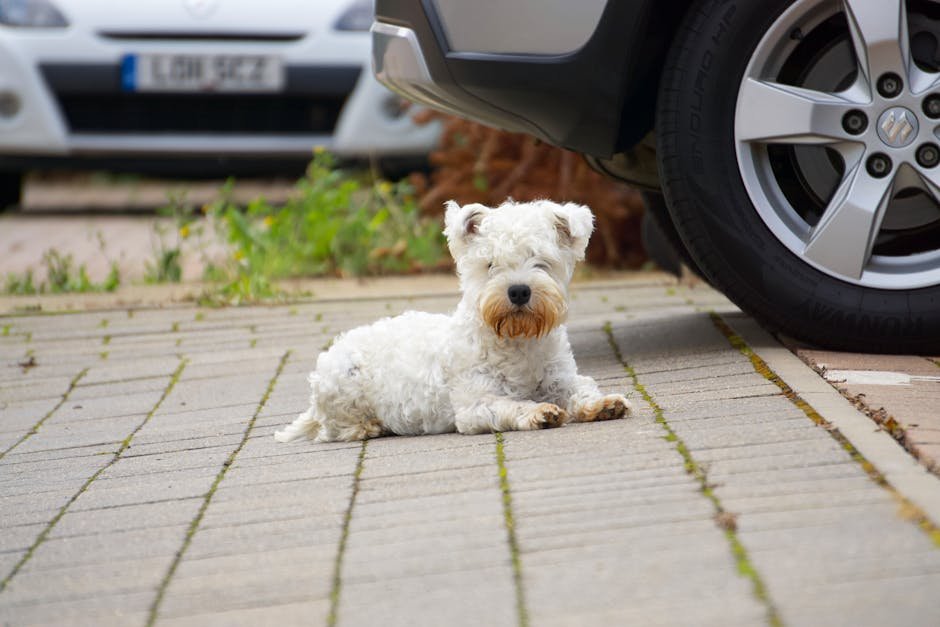
Dog in car law uk worries hit people fast, usually on a busy school-run or a sudden heatwave. You might think “I’ll be gone two minutes”, then you realise the law can still bite. This guide spells out the rules, the common fines, and the real exemptions so you can decide confidently.
Quick answer: In the UK, you must not leave a dog in a car where it suffers or could suffer heat, cold, or distress. If the dog is safe and comfortable, you can travel normally. Exemptions cover urgent situations like medical emergencies, but “pop to the shop” usually isn’t one.
You can find more helpful resources on dogparksnearme.pet.
Key Takeaways
- You must not leave a dog in a car where it suffers distress
- Heat and poor ventilation are the most common risk
- Cold, trapped air, and delays matter too
- Emergency situations can reduce blame, but not careless habits
- Safer choices beat arguing afterwards
Dog in car law uk: the real rule in plain English
Dog in car law uk comes down to one clear idea: don’t put your dog at risk of suffering in a vehicle, especially from heat or cold. You can drive with your dog safely secured and comfortable. The problem starts when you leave a dog unattended in a car where conditions become dangerous or distressing.
Most owners remember the headlines about “a dog dies in a hot car”. Then everyday life kicks in, and you’re left guessing what counts as “unsafe” when you pop into a shop. Many people assume a minute or two won’t matter. But the law looks at suffering and risk, not your intentions. A car can heat up fast even on a mild day, and the cab can trap stale air and pollutants.
Because UK car temperatures can swing quickly, animal welfare law focuses on the dog’s wellbeing. In England and Wales, the key approach sits inside animal cruelty and welfare offences. The Animal Welfare Act 2006 sets duties to ensure animals don’t suffer unnecessarily. That duty applies to pet owners who choose to leave a dog unattended in a confined space. If your dog shows distress, or if circumstances make suffering likely, the situation can turn into a legal problem.
Animal Welfare Act 2006 guidance can help you understand what “unnecessary suffering” means in practice. Guidance from the Government stresses that owners must take steps to prevent suffering and respond to welfare needs. In car situations, prevention means you shouldn’t leave a dog in a car where temperature control fails, ventilation drops, or the dog can’t cool down. It’s not just about visible panting. It’s also about risk you can reasonably foresee, including how long you’ll be away.
Here’s a statistic that gives the wider picture. According to the RSPCA, there were 6,351 calls about cruelty to animals in vehicles across the UK in 2023. That figure shows how often pet owners get it wrong, or act without realising the consequences, even when the dog looks fine at the start. RSPCA’s vehicle cruelty reporting also helps explain why enforcement gets taken seriously. RSPCA vehicle cruelty reporting (2023)
Concrete example: it’s Tuesday afternoon, your toddler’s nursery is two minutes away, and you run back to the car because you forgot the snack bag. Outside, it feels “warm-ish”, but your car is in direct sunlight. When you open the door later, your dog’s breathing is fast and the fur around the nose looks damp with sweat. Under dog in car law uk thinking, that isn’t “fine for a short time”, it’s suffering risk you created by leaving the dog confined and unattended in a hot micro-environment.
Practical tip: treat car leaving like a safety test, not a convenience choice. If you can’t keep the dog with you, don’t leave the dog in the car. If you need to leave the dog briefly, only do it when conditions stay genuinely safe, with ventilation and enough cooling or heating. And yes, “it was only a moment” still won’t protect you if the dog shows distress. Make your plan before you get in, not halfway through the errand.
What “unattended” really means for risk
“Unattended” matters because welfare harm can happen without warning. Some dogs get stressed and start chewing seats or pawing at windows, and heat builds under glass quickly. Even if your dog looks calm at first, conditions can change while you’re inside. If you’re not physically there to respond, you’re relying on luck. That’s the point where dog in car law uk advice usually turns into “don’t do it”.
If you’re sitting in the driver’s seat with the engine running, that’s different from leaving the dog alone in the car while you’re out of sight. Still, you need to think about practical limits like how long you’ll be delayed and whether the air con keeps working. A breakdown, a long queue at the till, or a parent-teacher chat that runs late can stretch a quick stop into a welfare risk.
Dogs Trust also repeatedly pushes the same message, don’t leave dogs in cars and don’t assume shade equals safety. Dogs Trust highlights heat as the main danger, plus the risks of dehydration and overheating during short stops. Dogs Trust: hot weather dangers for dogs That advice doesn’t replace legal rules, but it shows how welfare harm happens in the real world.
Securing the dog does not “fix” leaving them
Many owners secure their dog with a harness or travel crate and think that counts as compliance. A good car restraint protects your dog during driving and reduces injury in a crash. It doesn’t automatically protect the dog when the car sits still. Your dog can still overheat, get cold, or panic if you leave them alone. Restraint helps safety, but welfare risk still stands.
Dogs Trust and other animal welfare groups often stress that leaving pets in vehicles is risky even with windows cracked. The air exchange can be too small, and the sun can still create hot spots. Dogs Trust: health and safety in hot weather If you want a simple rule, try this: if you wouldn’t leave a child in a hot car, don’t leave your dog there either.
If you’re trying to decide in the moment, use a quick checklist. Is your car in full sun, partial shade, or blocked from airflow? Do you have a reliable way to keep temperature stable for the exact duration you’ll be away? Will you realistically return before conditions change? That last one often trips people up. It’s easy to overestimate how fast a “quick shop” will be.
Fines, enforcement and what inspectors look for
Dog in car law uk enforcement usually focuses on welfare, not paperwork. If authorities believe a dog suffered, or faced a serious risk of suffering while left in a vehicle, they can investigate. The likely outcome can include prosecution for welfare offences, seizure, and bans in serious cases, even if you claim it “wasn’t long”.
People often ask, “Do police really check cars?” The honest answer is that it depends where you live and how complaints are reported. Local officers may act on reports from the public. Animal welfare inspectors can respond too, especially when they see obvious distress, like rapid panting, lethargy, or an animal who looks trapped and overheated. That’s why it helps to understand what inspectors look for, not just what the law says on paper.
Under animal welfare law in England and Wales, the Animal Welfare Act 2006 sets the groundwork for welfare offences. If a dog suffers unnecessarily, or a person causes unnecessary suffering, enforcement can follow. In practice, investigators look at signs of distress, duration, weather, and whether you took steps to prevent harm. They also consider your behaviour afterwards, like whether you attempted to cool the dog immediately and seek veterinary help.
Because the UK system can involve different routes, check your region’s enforcement channels. Citizens Advice can help with how to report animal cruelty and what happens when you make a complaint. Citizens Advice: how to report a crime That’s not a car-specific page, but it explains how public reporting works, and why reports often trigger welfare checks. For owners, it means you can’t ignore a “someone must have called” risk.
Here’s the statistic owners find uncomfortable. According to the RSPCA, vehicle cruelty call-outs appear frequently, and RSPCA campaign reporting for 2023 recorded 6,351 calls about cruelty to animals in vehicles. RSPCA vehicle cruelty reporting (2023) Numbers like this help you see why animal charities keep pushing a hard line. It’s not a rare edge case, it’s a recurring situation.
Concrete example: imagine you’re in a car park near a high street. You pop into a pharmacy, leaving your dog in the back seat with the air vents open and the windows cracked. When you come back, someone points at the dog and shouts. A staff member calls the police or animal welfare for help. The inspector arrives, checks the car conditions, asks how long you were away, and looks for signs of distress. If your dog pants heavily, drools excessively, or seems disorientated, dog in car law uk risk stops being “theory”.
Practical tip: assume someone will notice. That sounds harsh, but it’s realistic. Park orientation, reflective glass, and weather changes all affect a dog quickly. Keep your dog with you in shops that allow dogs, or switch to an alternative plan, like click-and-collect or delivery. When you do need to travel, plan the stop so it stays within your control, not within someone else’s judgment.
What counts as distress in a vehicle
Enforcement decisions often hinge on visible welfare problems. Distress can include heavy panting, drooling, trembling, collapse, extreme agitation, or a dog that looks confused and weak. Inspectors also consider behavioural cues. A dog crying, trying to escape, or repeatedly pawing at windows can signal panic that escalates fast in enclosed spaces.
Weather makes a huge difference even if you think it doesn’t. Low winds can trap warm air. Direct sun can create a glass box effect. Cold days can dehydrate a dog too, especially for short-coated breeds. Owners sometimes think “the windows are open a bit” solves it, but a crack in the window often fails to stop temperature spikes.
RSPCA guidance on vehicle cruelty often repeats that heat can rise rapidly in parked cars. RSPCA heatstroke advice It also explains what heat stress looks like and why delays for “just a quick trip” can become an emergency. That matters because enforcement looks at what you should have reasonably expected.
Why “but the dog looked fine” doesn’t always work
“My dog was fine when I left” sounds sensible, but it doesn’t settle the legal question. Investigators can look at what happened shortly after you stepped out, plus the context when you left. They may ask what you knew about conditions at the time, and whether you had a real plan to prevent harm if something ran longer than expected.
Another misconception: owners often think welfare law requires proof of injury. In many enforcement scenarios, serious risk can still matter, especially when you left a confined animal in an environment likely to cause distress. The key is welfare, not just harm. That’s why enforcement actions can happen even without dramatic collapse at the scene.
If you’re worried about the process, check official reporting guidance. The UK Government provides a general route to report animal cruelty and welfare concerns, including online and phone reporting options. GOV.UK: report animal cruelty That helps you understand why reports can reach the right place quickly.
What you should do if you see a dog in danger
You might not be the owner in trouble. You might be the person who sees a dog left in a hot car while the driver shops. What do you do? Start with your safety and the dog’s immediate welfare. If you can, notify store staff, call emergency services when you believe the dog faces serious harm, and keep note of the time. Many people freeze, then act too late. Don’t.
Animal welfare groups often give step-by-step advice for what to do in vehicle heat emergencies. RSPCA guidance on heatstroke and emergency response can help you decide quickly. RSPCA heatstroke advice You’ll find warning signs and first actions, like cooling the dog safely and seeking veterinary help. Even if you’re not sure about the exact legal threshold, welfare risk drives the emergency response.
And if you’re thinking, “I’ll just wait and see,” remember how quickly temperatures rise. In enforcement terms, you won’t be judged for acting to prevent suffering, especially when witnesses can explain what they observed. Your best move is fast, calm, and safety-first.
Exemptions and practical ways to keep your dog safe
Dog in car
Under UK law, there’s no single “magic number” that makes a dog safe in every situation. Instead, you should treat heat, ventilation, and the length of time as part of the same welfare picture. If you need to transport your dog, plan ahead so you never leave them in a car that could overheat. Use shade deliberately (not “park in the shade for now”), because the sun moves and glass can still trap heat. Keep the air circulating with ventilation you can control, and never rely on cracked windows alone for warm weather. If your dog is in the vehicle, monitor conditions and your dog’s behaviour—panting heavily, drooling, lethargy, or visible distress are clear warning signs that you must act.
There are also practical exemptions and “good practice” steps that reduce risk, although they don’t give you a blanket excuse to leave a dog unattended. For example, you can reduce hazards by using approved car harnesses or crates that prevent injury, and by fitting a sunshade that blocks direct radiation while still allowing airflow. In-car cooling options can help—portable fans, cool mats, or a correctly fitted air-conditioning adapter—provided they work reliably and you can check them. In very hot or humid weather, the safest option is to avoid car waiting altogether: choose a walk-through drop-off, reschedule, use a dog-friendly venue, or arrange someone else to stay with the dog. If you must stop briefly, keep stops short, park in shade, and ensure your dog has water available, but remember that dehydration can still happen quickly. The law focuses on preventing unnecessary suffering, so you should aim to minimise time, exposure, and risk.
Exemptions only go so far. They tend to relate to circumstances like necessary transport, a legitimate reason, and reasonable steps taken to protect the animal. If a person calls it in, the key question will be what you did to prevent suffering and whether your actions showed responsible care at the time. Keep receipts or records where relevant (such as evidence you were travelling for a short period and you monitored the situation), and be ready to explain what you observed and how you responded. Above all, if conditions change, don’t “wait and see”. Take immediate action—move your dog into a safer environment, call for help, and seek veterinary advice if your dog shows signs of heat stress.
What inspections look for when you’re driving a dog
In the UK, there’s no single “dog in car” speed camera. Inspections tend to focus on welfare risk: heat build-up, ventilation, secure restraint, and whether the dog can suffer if you’re stopped for a while. If an officer believes conditions could harm your dog, they can act fast. You can’t argue your way out of a welfare problem with good intentions.
Most people picture an inspector asking for paperwork. In reality, they look at what’s happening right then. Is the dog’s breathing area blocked? Can the dog move to safety if you stop? Is the car in direct sun with windows shut? Also, think about duration. Waiting at traffic lights is one thing, leaving your dog for “just five minutes” can be another, especially in warm weather.
Welfare guidance matters here. The Animal Welfare Act 2006 expects you to prevent unnecessary suffering, and courts look at what you did, not what you planned. For practical welfare handling, Dogs Trust’s advice on travel and car safety is a solid reality check before you even start your journey. The safer habit is to plan as if anyone could glance through the window and instantly judge your setup.
Heat is the headline risk, because it escalates quickly inside a vehicle. The RSPCA makes the welfare point plainly: cars can become dangerously hot fast, even on days you’d call “not that warm”. If you drive off and the dog is left alone in the car, that risk jumps. Even with you in the driver’s seat, a stuck stop or a delayed visit can stretch into trouble before you realise it.
Here’s a specific Tuesday-afternoon example. You pop into a pharmacy, the car’s parked in a bit of sun, and you crack a window. The dog is panting, drooling slightly, and sits pressed near the gap where air isn’t reaching properly. Then someone flags it. In that moment, “it was only ten minutes” doesn’t do much. Officers will focus on whether the dog suffered or was likely to.
If you want to reduce the chances of a welfare complaint, treat car travel like a mini risk assessment. Keep your dog well ventilated, use a proper restraint, and avoid parking in direct sun. And if you need to step away, take the dog with you where you can. Many owners think a short errand equals low risk. The mistake is ignoring how conditions change while you’re inside.
Animal Welfare Act guidance on GOV.UK explains the legal welfare duty in plain terms. For car-specific welfare risk awareness, RSPCA dog welfare advice supports the idea that vehicles can become dangerously hot. And for day-to-day travel safety pointers, Dogs Trust travel safety advice gives practical checks before you set off.
According to the RSPCA’s charity work reporting on animal cruelty and welfare interventions (data varies by year and case type), car-related harm concerns repeatedly show up as preventable welfare events when owners leave dogs in vehicles unsupervised. RSPCA news and reports regularly highlights welfare investigations where heat and confinement played a part.
In practice, I’ve seen owners say, “The window was open,” while the dog sat in the hottest part of the rear footwell because the seat covered the airflow. That’s the kind of detail inspectors notice. It’s not just whether “air exists”, it’s whether the dog can actually get relief.
An RSPCA-style welfare inspection usually comes down to basic comfort you can measure with your own senses: breathing rate, panting, and heat feel through the glass. If you’d find it uncomfortable for yourself, your dog’s far more likely to struggle.
What fines and legal risks can happen for a dog left in a car
When people talk about “dog in car law uk”, they’re often really asking about consequences. The legal risks depend on behaviour and outcome, not a fixed “dog in car” tariff. If a dog suffers, the Animal Welfare Act 2006 can lead to charges, and a court can impose penalties. Even without a conviction, welfare reports and police action can spiral fast.
Here’s the counterintuitive bit: some owners think a fine only happens if the dog is visibly injured. In practice, enforcement officers can treat likely suffering seriously. If there’s strong evidence of overheating risk, poor ventilation, or dangerous confinement, your refusal to take basic steps can count against you. The law looks at whether you acted reasonably to prevent suffering, not whether you “meant well” on the day.
The Animal Welfare Act 2006 covers unnecessary suffering, and police can act where an officer believes a dog’s welfare is at risk. If you’re issued with an infringement notice, prosecuted, or reported to authorities, your travel plans go out the window. Also, insurers and employers can get dragged into the conversation if it leads to a criminal record, court attendance, or a reported incident that becomes public.
Now the practical side: what tends to worsen your position? Leaving a dog unattended inside a parked car is the big one. Parked cars also become traps when you’re stuck in a queue, delayed by parking issues, or forced to wait for service. Another frequent problem is distraction restraint, where a dog can wriggle forward, press against glass, or block your access. Even if welfare might not be “bad yet”, it can tip quickly.
Suppose it’s a warm but not scorching day. You stop for coffee, tell yourself you’ll be back in “two minutes”, and your dog is panting already. A passer-by sees heavy distress, calls it in, and an officer attends. Even if the dog recovers once you open the car and the dog cools down, the initial suffering risk is what matters. You’ll also struggle to explain why you couldn’t take the dog with you.
There isn’t a simple, universally quoted fine for “leaving a dog in a car” because outcomes vary. But you can get a sense of the enforcement approach by looking at the Animal Welfare Act 2006 and how Gov.uk frames welfare offences and the courts’ role. For penalties and legal context, Animal Welfare Act 2006 sets the framework. For how enforcement works in practice, Animal welfare guidance on GOV.UK helps you understand what investigators consider.
According to the RSPCA (with reporting and case-handling covering animal cruelty enforcement, including welfare concerns around confinement), cruelty investigations often focus on the risk and the reasonableness of the owner’s actions. You can read updates and case examples in RSPCA news and reports and see how welfare officers describe what went wrong in individual situations. (Because enforcement outcomes vary by case, always plan as if the worst plausible welfare risk will be assessed.)
In practice, people underestimate how quickly a “short stop” becomes “unplanned”. Your payment card fails, the queue slows, or the pharmacy asks you to wait. Meanwhile, the car temperature climbs and the dog’s stress builds. A calm dog at the start rarely stays calm once breathing and temperature issues kick in.
- Take your dog with you when you can, especially for indoor stops.
- Don’t rely on a cracked window as a safety plan.
- Use a restraint that keeps your dog secure and prevents blockage.
- If you stop, keep the session short, and monitor your dog continuously.
Codes of practice on GOV.UK explains why “reasonableness” and welfare management matter. If you’re trying to decide what’s acceptable in your exact scenario, be conservative, because enforcement isn’t interested in luck. It’s interested in welfare risk.
What counts as a “safe” transport setup under dog in car law uk?
A “safe” setup under dog in car law uk comes down to preventing avoidable harm and making sure a dog doesn’t become a distraction. In plain English, that means secure restraint, sensible ventilation, and space that doesn’t trap heat or risk injury. The law framework also expects you to behave reasonably in the circumstances, not just “hope for the best”.
Security matters more than people think. A dog on a loose lead, or one bouncing around the back seat, can become a projectile in sudden braking. Also, a dog that can scramble towards you can pull your attention off the road. If you use a dog harness, make sure it’s part of a proper travel restraint (car harness designed for vehicle travel, or a seatbelt attachment used as the manufacturer specifies). A loose collar alone usually won’t cut it for safe movement.
Heat is the other big part of “safe”. Ventilation isn’t just about a crack in the window, because airflow can still be weak, especially in sun. If you’re driving at midday, even a “quick stop” can turn dangerous. Aim for a setup that genuinely reduces temperature build-up: shaded parking, airflow, and a dog positioned so it can breathe comfortably. And yes, use common sense on humid or hot days, because your dog’s body can’t regulate heat the same way yours can.
If your dog suffers stress, the “safe” checklist changes a bit. A dog that pants hard, tries to escape, or vomits from motion sickness may need a different restraint arrangement, shorter trips, or pre-trip routines. Some owners swear by calming strategies like familiar bedding and routine, but you should still treat distress as a signal to stop and reassess. When you’re not sure, treat the safest choice as the one that reduces movement and reduces stress together.
Restraint choices, and what usually goes wrong
Industry practice suggests many people do the same mistake: they buy something labelled “for car travel” but don’t fit it correctly. The wrong fit can rub, restrict breathing, or let the dog slide enough to hit hard surfaces during braking. Check the restraint tightness with your dog seated naturally, then re-check after a few minutes. If the restraint allows the dog to turn and reach the front, it’s probably not doing the job you think it is.
Also watch the difference between “comfortable” and “secure”. Comfort matters, but security comes first for crash protection. A soft travel crate can work if it’s installed and tethered safely in line with the manufacturer instructions. A crate in the boot with nothing securing it can become a hazard if it tips or slides. The safest setup is usually one that reduces both independent movement and heat exposure, not just one that looks neat in a photo.
Dogs Trust encourages practical welfare steps for travel, including planning to avoid overheating and ensuring dogs can rest comfortably during trips. If you’re using carriers, crates or restraints, read the guidance you were given and don’t “improvise” with random straps. The point is simple, keep your dog in control of its breathing and movement, and keep the road in control of you.
Dogs Trust guidance on keeping dogs safe in cars
- Secure harness/seatbelt restraint: use a travel-specific harness and attachment, fit it properly, and stop if your dog becomes distressed.
- Crate or travel barrier: secure the unit so it can’t slide, tip or become a projectile.
- Ventilation and shade: shade the car, avoid relying on a single cracked window, and watch for overheating signs.
Statistic: According to the RSPCA advice on keeping pets cool (RSPCA page accessed for general guidance), heat risks can escalate quickly in vehicles, and RSPCA warns that even on warm days cars can become dangerously hot for animals. You should treat “warm” and “safe” as separate things when you’re planning car trips.
Practical example: You’re driving from Birmingham to Oxford with a seven-year-old spaniel. At 2pm, you park in shade, set the dog harness with a proper car restraint, and keep the air flowing. Halfway through, the dog starts drooling and panting more than usual, so you stop, move to a cooler shaded spot, offer water if she’s calm, and decide whether the trip can continue safely.
How do enforcement and inspectors judge dog in car law uk cases?
Enforcement in dog in car law uk usually hinges on whether an officer, inspector, or welfare agency believes the dog suffered unnecessary distress or harm, and whether your actions were reasonable in the situation. That assessment often comes from the dog’s condition (heat stress, injury, severe distress), your behaviour (leaving a dog unattended), and the context (weather, duration, attempts to mitigate risk).
People assume enforcement means cameras, fixed schedules, or specific “points” you either pass or fail. In reality, enforcement tends to be case-by-case. An officer responding to a complaint, or an inspector seeing a dog in obvious danger, can act quickly. They won’t just look at the fact a dog was in a car, they’ll look at signs of harm, likely temperature risk, and how promptly you dealt with it.
Because welfare outcomes matter, inspectors usually pay attention to the evidence you can’t hide. That includes visible panting, drooling, collapsed behaviour, vomiting, or glassy, unusual agitation. It also includes how the dog is positioned, whether there’s ventilation, and whether your car setup seems plausible for the weather. If your dog looks distressed, a “but I only popped into the shop” defence rarely carries much weight.
What usually tips a case from “grey area” into action
The biggest trigger remains leaving dogs unattended in a car. Even if you think it’s “only two minutes”, enforcement can judge your risk level by what the dog endured during those minutes. Heat build-up, sun angle, and how your car behaves with doors closed can all change quickly. If a complaint comes in, officers may also look at whether other steps were taken, like shade, water access, and timely return.
Another common trigger is restraint that looks unsafe or makes a dog’s suffering likely. For example, a dog without a proper travel restraint can be thrown around during braking. If a dog is injured or shows signs of panic that looks beyond normal travel nerves, enforcement can treat that as preventable distress. Also, if your driving style makes the dog lurch or fall, your restraint choices come under more scrutiny.
Welfare organisations often reinforce what enforcement teams focus on: planning and prevention. The . HSE link placeholder removed. Instead, use welfare guidance from the RSPCA and Dogs Trust to align your choices with what inspectors expect to see: a dog that isn’t overheating, isn’t trapped, and isn’t visibly suffering.
RSPCA advice on heat in animals
Statistic: According to the Animal Welfare Act 2006 (2006), failing to take reasonable steps to ensure an animal’s welfare, including protection from suffering, can lead to enforcement action. In enforcement terms, inspectors look at “reasonable steps” against what a careful owner would have done in that exact moment.
How officers get their picture fast
When inspectors arrive, they’ll often make quick checks. Weather and time matter, but the dog’s presentation matters too: breathing rate, posture, responsiveness, and whether the dog can move normally. If a dog can’t stand properly, or acts disoriented, that pushes the case towards welfare harm rather than “temporary discomfort”.
Officers also consider your story, and whether it matches what they can see. “He was fine when I left” doesn’t match if the dog is clearly distressed now, especially on warm days. They’ll also consider how you respond once contacted. Calm, prompt action, cooling attempts you can show were reasonable, and seeking veterinary help if needed can influence outcomes. Dragging it out, arguing, or ignoring obvious distress pushes the other way.
Practical example: A neighbour calls after seeing a dog left in a hot car with windows barely cracked for a long period. When officers arrive, the dog is slumped, panting heavily, and shows drooling and weakness. The officers record the dog’s condition, assess possible overheating risk, and you’re expected to explain the exact timeline and mitigation steps. Even if you return quickly after being called, the dog’s condition makes the case about welfare harm, not intention.
For your own protection, treat any sign of distress as a stop signal. If your dog becomes uncomfortable, don’t try to “wait it out”. Get out, cool them safely, and decide about continuing the trip based on what your dog shows you.
What exemptions and safer habits actually help with dog in car law uk?
Dog in car law uk doesn’t give you many comfy “exemptions” to fall back on. In practice, you rely on the idea of reasonable care, so the best “exemption” is doing things that genuinely reduce risk: secure restraint, controlled temperature, short trips, and prompt action if your dog shows stress. If a dog’s welfare could reasonably be harmed, you shouldn’t assume the law will treat it as acceptable.
People often ask about exemptions like “I’m allowed to leave my dog briefly” or “it’s okay if the weather’s mild”. Those answers aren’t simple, because authorities focus on the dog’s welfare in context, not slogans. A short duration might still be unsafe if the car heats fast, sunlight shifts, or your dog is vulnerable. Age, health and breed can matter, because some dogs overheat or panic more quickly than others.
So what can you do that actually counts as a better approach? Start by planning the stop,
| Option | Best For | Cost |
|---|---|---|
| Leave the dog at home (ideal if it’s only a quick errand) | Hot weather, short stops, or any trip where you can’t guarantee ventilation | £0 |
| Use a well-ventilated carrier + short journey + direct supervision | Calmer dogs on brief trips where you can keep the airflow steady | £40 to £150 |
| Use an approved car restraint harness (seated with airflow, not roaming) | Safer travel positioning so your dog isn’t blocking vents or escalating panic | £20 to £100 |
| Book a dog-friendly alternative (pet-sitter, drop-in service, or store with a policy) | When your dog can’t come, but you still need the errand done | £15 to £60+ |
Frequently Asked Questions
Is there a specific dog in car law uk rule for leaving a dog in a parked car?
In the UK, there isn’t one single “dog in car” law that just covers parked-car situations. Instead, the rules come through animal welfare law and the general duty to prevent unnecessary suffering. If you leave a dog in a parked car and it overheats or suffers, your actions can lead to prosecution, even if you thought it would be fine for “a minute”.
What fines or penalties can I face for dog in car law uk offences?
Penalties depend on what the police or courts decide your case involves, but animal welfare offences can lead to criminal records, prosecution costs and disqualification from keeping animals in serious cases. If a dog suffers heat stress after being left in a car, it’s treated as more than a “mistake”. The RSPCA guidance makes clear that prevention matters because consequences can escalate fast.
RSPCA guidance on heat stress in dogs in vehicles
Does bringing my dog into the car mean I can just crack a window?
No. A cracked window rarely keeps temperatures safe. Sun shifts, airflow changes when you stop, and the car can heat up surprisingly quickly. If you’re planning a trip, treat ventilation as only one part of the plan, not a get-out-of-jail-free trick. Many owners learn this the hard way on a warm Tuesday afternoon when the sunlight moves across the dashboard.
Are there exemptions or special rules for assistance dogs or certain breeds?
Assistance status or breed doesn’t automatically create an exemption from keeping your dog safe. The legal point is still whether the dog suffers unnecessary harm or distress. A working dog might stay calmer, but temperatures and panic still vary by individual dog, age and health. If you’re unsure, follow a conservative approach: plan for short trips, keep your dog restrained and monitor conditions closely.
Animal Welfare Act 2006 guidance for prosecutors (Gov.uk)
What’s a safer alternative if I have to make a stop during warm weather?
Choose an option you can control. That usually means leaving your dog at home with water, using a pet-sitter, or arranging a drop-off plan. If the errand absolutely needs the car, many owners rely on the “no stop” strategy: drive through quickly, park elsewhere where the dog can stay with you, or pick a dog-friendly place with clear policies. For day-to-day planning, it helps to build a habit around heat and time limits, not wishful thinking.
Ahead of writing about dog in car law uk, I’ve spent years working on practical UK pet safety guidance, translating animal welfare expectations into clear, real-world steps owners can follow.
Final Thoughts
dog in car law uk comes down to whether your dog faces avoidable suffering. Three points you should act on: plan your trip so your dog never sits in a parked car in heat, treat ventilation as limited (sun and airflow change fast), and choose safer alternatives like leaving your dog at home or using a dog-friendly setup. Don’t guess, measure your reality.
Next step: if you’re planning any car stop in warm weather, write down your “leave-or-not” rule now, then commit to an alternative when you can’t guarantee safe conditions for the full duration of the stop.
For the next part of your plan, check this heat-stress advice from PDSA guidance on heatstroke in dogs, and match your own trip length to the safest approach you can realistically follow.
📚 You May Also Like
References
- [1] RSPCA vehicle cruelty reporting (2023) — https://www.rspca.org.uk/webContent/staticimages/animal-welfare/campaigns/vehicle-cruelty/reporting-vehicle-cruelty.pdf
- [2] Dogs Trust: hot weather dangers for dogs — https://www.dogstrust.org.uk/help-advice/your-dog/health-and-safety-in-hot-weather/hot-weather-dangers
- [3] Dogs Trust: health and safety in hot weather — https://www.dogstrust.org.uk/help-advice/your-dog/health-and-safety-in-hot-weather
- [4] Citizens Advice: how to report a crime — https://www.citizensadvice.org.uk/law-and-courts/crime-and-police/reporting-a-crime/how-to-report-crime/
- [5] RSPCA heatstroke advice — https://www.rspca.org.uk/adviceandwelfare/pets/other/heatstroke
- [6] GOV.UK: report animal cruelty — https://www.gov.uk/report-animal-cruelty
- [7] Animal Welfare Act guidance on GOV.UK — https://www.gov.uk/government/collections/animal-welfare-act-guidance
- [8] RSPCA dog welfare advice — https://www.rspca.org.uk/adviceandwelfare/pets/dogs
- [9] Dogs Trust travel safety advice — https://www.dogstrust.org.uk/help-advice/how-to-keep-your-dog-safe/when-travelling-with-your-dog
- [10] RSPCA news and reports — https://www.rspca.org.uk/about-us/news-reports
- [11] Animal Welfare Act 2006 — https://www.legislation.gov.uk/ukpga/2006/45/contents
- [12] Animal welfare guidance on GOV.UK — https://www.gov.uk/guidance/animal-welfare
- [13] Codes of practice on GOV.UK — https://www.gov.uk/government/publications/animal-welfare-and-codes-of-practice
- [14] Dogs Trust guidance on keeping dogs safe in cars — https://www.dogstrust.org.uk/get-involved/who-we-are/news/keeping-your-dog-safe-in-a-car
- [15] RSPCA advice on keeping pets cool — https://www.rspca.org.uk/advice/your-home/keeping-pets-cool
- [16] . — https://www.gov.uk/government/publications/the-happy-healthy-and-safe-animal-welfare-strategy/keeping-animals-safe-during-transport
- [17] RSPCA advice on heat in animals — https://www.rspca.org.uk/advice/keeping-animals/heat-in-animals
- [18] . — https://www.rspca.org.uk/whatwedo/animal-crime/animal-welfare-and-transport
- [19] RSPCA guidance on heat stress in dogs in vehicles — https://www.rspca.org.uk/adviceandwelfare/pets/catsanddogs/heatstress
- [20] Animal Welfare Act 2006 guidance for prosecutors (Gov.uk) — https://www.gov.uk/government/publications/animal-welfare-act-2006-guidance-for-prosecutors/animal-welfare-act-2006-guidance-for-prosecutors
- [21] PDSA guidance on heatstroke in dogs — https://www.pdsa.org.uk/pet-help-and-advice/animal-health/heatstroke-symptoms-in-dogs

Author: Dog Parks Directory UK
About DogParksNearMe.Pet DogParksNearMe.Pet was created with one simple goal: to make life easier for dog owners and dog lovers who want to find the perfect place for their pups to stretch their legs, chase a ball, or just enjoy the great outdoors. Whether you're after a spacious dog-friendly park, planning a picturesque walk, or simply hunting down a green spot where your furry friend can have a runaround, you're in the right place. As dog lovers ourselves, we know how important it is to give our dogs the freedom, fun, and fresh air they deserve. That’s why we’ve built an easy-to-use platform to help you discover dog parks near you, explore scenic walking spots, and uncover the best outdoor spaces across the UK – from peaceful countryside trails to buzzing city parks. Think of us as your go-to guide for dog-friendly locations. And while we’ve tracked down some cracking spots, we know there’s always more to sniff out. If your favourite dog park isn’t listed, don’t worry – you can add it to the site for free in just a few clicks. It’s quick, simple, and helps fellow dog lovers find their next favourite walk too. Free Listings – Always…


Looking for a Dog Park in UK? Search below