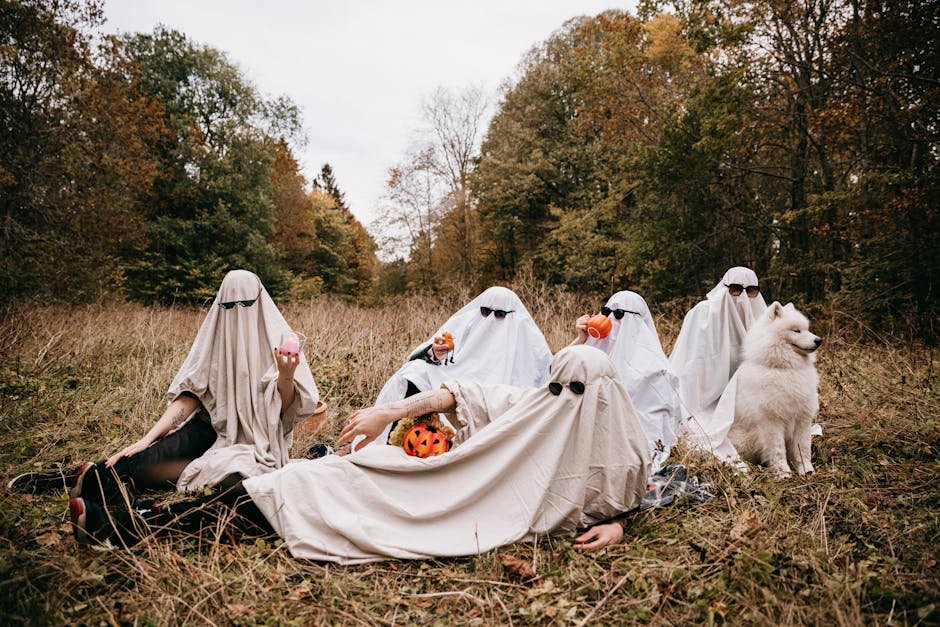
Dog Halloween Safety UK should be a priority for pet owners as the spooky season approaches. Halloween can be a flurry of lights, costumes, and sweets, which might just be a recipe for stress or even danger for your furry friend. This guide promises essential tips to keep your dog safe and stress-free during the festivities, ensuring a fun, worry-free Halloween for everyone.
Quick answer: Dog Halloween Safety UK is about protecting your pet from potential Halloween hazards by keeping sweets out of reach, using pet-safe costumes, maintaining a calm environment, and ensuring they have proper identification in case they get spooked.
You can find more helpful resources on dogparksnearme.pet.
Key Takeaways
- Keep sweets out of reach
- Use pet-safe costumes only
- Ensure ID tags are visible
- Create a calm environment
- Monitor door-opening times
What Halloween Hazards Should You Guard Against?
During Halloween, potential hazards for dogs include chocolate, which is toxic, and decorative items they might ingest. Keeping sweets and wrappers out of reach is crucial. Dogs often find the chocolate and sugar tempting yet dangerous. Avoid placing decorations low enough for them to chew.
According to the Blue Cross, chocolate can cause vomiting, diarrhoea, and even seizures in severe cases. This makes vigilance around sweets extremely important. Pet-safe treats can be a great alternative, ensuring your dog isn’t missing out on a treat while keeping them safe.
Consider a real-day example: if you’ve got small children, they might leave their sweet stash within reach of your dog. A swift trip to the vet could result if a curious nose investigates. Always check to ensure sweets are stored well out of reach after trick-or-treating is done.
If you’re decorating, battery-operated candles prevent burns that traditional candles might cause. Plus, electrical wires should be secured to prevent nibbling. Decorations are interesting to dogs, so ensuring safety means supervising them, especially when new items are around.
Many owners are surprised to realise how everyday holiday items can become a hazard. Anticipating these risks keeps your dog healthy and avoids unnecessary stress.
How Can Costumes Affect Your Dog’s Comfort?
Costumes can be uncomfortable or even unsafe for dogs if they’re too tight, restrictive, or made of inappropriate materials. Ensuring your pet’s Halloween outfit is safe involves checking for choking hazards and ensuring freedom of movement. Always prioritise comfort and safety over aesthetics to avoid any distress or harm. Many dogs dislike outfits, so watch their body language — they’ll let you know if something’s not right.
If you’re set on dressing up your dog, start with a simple scarf or bandana. This allows your pet to adjust to wearing something unfamiliar. When you do introduce a full costume, check that it doesn’t restrict your dog’s movement or eyesight. Reflective materials help keep your pet visible during late-night walks, a simple way to enhance safety.
Look out for signs of discomfort. Heavy panting, refusal to walk, or persistent efforts to remove the costume indicate it’s not working. Swap for something less intrusive or forgo the costume altogether. A dog just being themselves, tails wagging, can be costume enough. It’s the spirit and fun that counts.
According to the RSPCA, ensuring your dog’s costume doesn’t cause stress is key. Avoid fasteners that could catch on anything, and remove any accessories that could become a choking risk. Simple adjustments can make a big difference.
In practice, many pet owners underestimate how quickly a dog’s attitude can change in an uncomfortable costume. Testing the outfit at home before Halloween night can reveal any issues unnoticed at first glance. A comfortable pet is a happy one.
Are Halloween Treats Safe for Dogs?
Many treats we enjoy during Halloween are not safe for dogs. Chocolate, artificial sweeteners like xylitol, and even certain nuts can be toxic to dogs. It’s best to keep human treats out of your pet’s reach and offer dog-safe alternatives instead. Always read the label on pet treats to ensure they’re suitable.
One of the biggest culprits, chocolate is extremely toxic to dogs due to the presence of theobromine. Small amounts can cause serious health issues, including seizures and cardiac problems. Keep sweets off the dog’s radar and make sure guests are aware of the no-treat rule. Frequent reminders can prevent accidental sharing.
If you’re offering dog treats, opt for those labelled specifically for canine consumption. Natural treats like carrot sticks or apple slices can be a hit among dogs and provide a safe alternative to human sweets. Avoid anything sugary or artificially sweetened, especially with xylitol, which can be life-threatening.
According to the Dogs Trust, many dogs require immediate veterinary attention after ingesting Halloween sweets. Prevention is crucial — even well-behaved dogs can be tempted by the unusual scents and wrappings.
“A pumpkin-shaped dog biscuit can be just as festive and far safer than sharing your own treats,” advises a pet nutritionist.
What Noise Levels Can Stress Your Dog During Halloween?
Halloween can be noisy, with doorbells ringing and fireworks cracking, triggering stress in dogs. To help reduce anxiety, provide a quiet retreat for your dog where they can escape the commotion. Noise-cancelling options, like soft music or a fan, may help soothe a nervous pet.
Not all dogs react the same way to noise. If your dog starts pacing, panting, or hiding, these are signs of distress. Allow them to find their own space or create one if necessary. Providing a well-loved toy or blanket can add a sense of security during the noise peaks.
Some dogs benefit from a little extra exercise earlier in the day. A long walk or active play session can help expend energy and relax your dog before the evening starts. A tired dog might find it easier to ignore the noise. However, be mindful of evening walks, as some areas may have unexpected fireworks or revellers.
According to NHS guidance, stress-related issues in pets can impact their physical health over time. Keeping stress to a minimum with proactive measures means a happier, healthier dog.
Is Trick-or-Treating Safe with Dogs in the UK?
Taking your dog along for trick-or-treating can seem like a fun adventure, but you must ensure their safety and comfort. Dogs can become overwhelmed with crowds, loud noises, and unfamiliar costumes. Understanding the risks and planning ahead can make the experience enjoyable for both you and your pet.
First, consider your dog’s temperament. Some dogs thrive in social situations, but others can get anxious. If your dog is easily stressed, crowded streets filled with spooky costumes might not be the best place for them. Many dogs find the ever-changing environment overwhelming, which can lead to stress or even aggressive behaviour. Keeping them in a familiar routine might be less stressful.
If you do take your dog along, keep them on a short, non-retractable lead to prevent them from darting off or becoming tangled. Reflective gear can increase their visibility in the dark. Always monitor your dog’s cues; if they start showing signs of distress like panting, pulling, or excessive barking, it might be time to head back home. In most cases, keeping them close to you can provide the reassurance they need.
Real-world example: Imagine walking through the bustling streets of London on Halloween night, vibrant costumes everywhere. Your dog’s tail wags happily at first, but as more people approach, they start pulling away. It’s crucial in moments like these to have a pre-planned route with check-in points where you can step aside, giving your dog a breather. Head for quieter roads or parks when necessary.
According to the RSPCA, it’s essential to ensure pets are comfortable with their surroundings to avoid unnecessary stress. This aligns well with common experiences of pet owners during Halloween, underscoring the importance of listening to your dog’s needs.
How Can You Dog-Proof Your Halloween Decorations?
Dog-proofing Halloween decorations is key to keeping your pet safe. Dogs are naturally curious, and decorations can pose numerous hazards. Ensuring your décor is pet-friendly will help prevent accidents or injuries, allowing everyone to celebrate without worry.
Firstly, be mindful of electrical cords and fairy lights. Dogs love to chew, and exposed wires can be particularly enticing and dangerous. Secure cords out of reach or use cord concealers. For items like pumpkins or strings of lights, placing them high can prevent curious noses or paws from accidental mishaps. Many professionals recommend battery-operated lights as a safer alternative.
Consider using non-toxic materials in decorations. Real pumpkins are generally pet-safe, but fake ones might be coated in materials harmful if ingested. Avoid using items that easily break, such as glass ornaments. Opt for soft decorations wherever possible, to reduce the dangers if a playful paw sends something tumbling. If you’re setting up candles or open flames, they should be put where your dog can’t access them, to prevent burns or fires.
On a practical note: One UK dog owner discovered the hard way that her dog was fascinated by the new spooky inflatable in her garden. After using a few clever barriers, like plant pots and planters, she successfully redirected her dog’s attention away from the décor.
According to Battersea Dogs & Cats Home, many pets are drawn to the lights and sounds of Halloween, making it crucial to secure any moveable objects or cords they might find interesting.
Are Halloween Events in Public Parks Safe for Dogs?
Attending Halloween events in public parks with your dog can be safe, but there’s much to consider. Every dog reacts differently to the chaos of events, and ensuring they’re comfortable is essential for an enjoyable experience. Pre-event checks and careful planning will go far in making the outing successful.
Check if the event is dog-friendly before attending. Some public events explicitly welcome pets, providing specific areas and water stations for them. Others might inadvertently be too crowded or chaotic, which can be overwhelming for pets. Noise levels from music or fireworks can be unsettling, so assess your dog’s past reactions to loud sounds before committing. In many cases, their comfort in similar past environments can be a reliable guide.
Arrive early to find quieter spots within the venue and avoid the initial rush of people. Bring along essentials like water, treats, and poo bags to manage their needs efficiently. Keeping them engaged with toys can help distract them from unfamiliar noises. Be patient and ready to leave early if your dog seems anxious. A sudden anxiety could prompt behaviours like barking, trembling, or trying to escape.
Example: Last year, a pet-friendly Halloween festival in Cheshire became manageable for a dog owner who planned. They set up a picnic base at a quieter location, away from louder activities, providing a safe space where their dog felt in control and calm.
The UK government advises taking into account your pet’s comfort and happiness in public spaces, emphasising that their well-being should always be the priority.
| Option | Best For | Cost |
|---|---|---|
| Reflective Collar | Night-time Walks | £10-£20 |
| Calming Vest | Anxious Dogs | £30-£45 |
| Pet Identification Tag | All Dogs | £5-£10 |
| LED Leash | Visibility in Dark | £15-£25 |
Frequently Asked Questions
How do I keep my dog safe on Halloween in the UK?
To keep your dog safe, avoid chocolate and sweet treats that might be toxic for them. Ensure they wear identification tags in case they get spooked and run off. It helps to provide them a quiet retreat where they can relax, away from the hustle and bustle that Halloween can bring.
Can I dress my dog in a Halloween costume?
Yes, but make sure the costume is comfortable. Steer clear of outfits that obstruct movement, sight, or breathing. If your dog shows signs of discomfort, it’s best to skip the costume and opt for a simple accessory like a bandana instead.
What are the signs that my dog is stressed during Halloween?
Common signs of stress include shaking, whining, hiding, or excessive barking. If your dog is displaying any of these behaviours, consider removing them from the source of stress and providing a calming space. For advice on managing stress, you can visit the RSPCA.
Should I keep my dog indoors on Halloween night?
Keeping your dog indoors is often best, particularly if they get anxious around noise and crowds. Inside, they’re less likely to run off out of fear and can stay in a familiar and safe environment. If you do venture out, ensure you’re in a quieter area.
What precautions should I take if children visit with Halloween treats?
Make sure to keep treats out of reach from your dog, especially chocolate and candies with xylitol. Politely inform visitors to avoid offering your pet any food. Keeping a watchful eye and providing alternative dog-friendly treats can also be a good idea.
I have worked as a pet safety advisor for several years, with expertise in developing strategies for pet owners to ensure the safety and well-being of pets during festive occasions like Halloween.
Final Thoughts
Dog Halloween safety in the UK calls for attention to noise levels, ensuring your dog avoids toxic treats, and providing them with a calm zone. Remember, their safety comes first. Check seasonal hazards and clear areas of anything potentially harmful. Your pet’s comfort is paramount.
Call to action: Ensure your pet’s microchip details are updated, and their ID tags are legible and securely attached.
Trick or Treating with Your Dog: If you’re taking your dog trick or treating, ensure they are comfortable around people and other pets, and always keep them on a lead. Consider using reflective gear for visibility and avoid costumes that could restrict their movement or cause distress.
Costume Considerations: If you choose to dress up your dog, ensure the costume is comfortable and not restrictive. Avoid costumes with small, chewable parts that could pose choking hazards. Monitor your dog to ensure they are not overheating or exhibiting signs of stress.
📚 You May Also Like

May 30, 2026

May 29, 2026

May 29, 2026
References
- [1] Blue Cross — https://www.bluecross.org.uk/pet-advice/halloween-safety-tips
- [2] RSPCA — https://www.rspca.org.uk/adviceandwelfare/pets/dogs
- [3] Dogs Trust — https://www.dogstrust.org.uk/help-advice/factsheets-downloads
- [4] NHS guidance — https://www.nhs.uk/live-well/eat-well/
- [5] RSPCA — https://www.rspca.org.uk/adviceandwelfare/pets/dogs/company/halloween
- [6] Battersea Dogs & Cats Home — https://www.battersea.org.uk/pet-advice/dogs/general-advice/keeping-dogs-safe-halloween
- [7] UK government — https://www.gov.uk/guidance/how-to-keep-your-pets-happy-and-healthy

Author: Dog Parks Directory UK
About DogParksNearMe.Pet DogParksNearMe.Pet was created with one simple goal: to make life easier for dog owners and dog lovers who want to find the perfect place for their pups to stretch their legs, chase a ball, or just enjoy the great outdoors. Whether you're after a spacious dog-friendly park, planning a picturesque walk, or simply hunting down a green spot where your furry friend can have a runaround, you're in the right place. As dog lovers ourselves, we know how important it is to give our dogs the freedom, fun, and fresh air they deserve. That’s why we’ve built an easy-to-use platform to help you discover dog parks near you, explore scenic walking spots, and uncover the best outdoor spaces across the UK – from peaceful countryside trails to buzzing city parks. Think of us as your go-to guide for dog-friendly locations. And while we’ve tracked down some cracking spots, we know there’s always more to sniff out. If your favourite dog park isn’t listed, don’t worry – you can add it to the site for free in just a few clicks. It’s quick, simple, and helps fellow dog lovers find their next favourite walk too. Free Listings – Always…


Looking for a Dog Park in UK? Search below