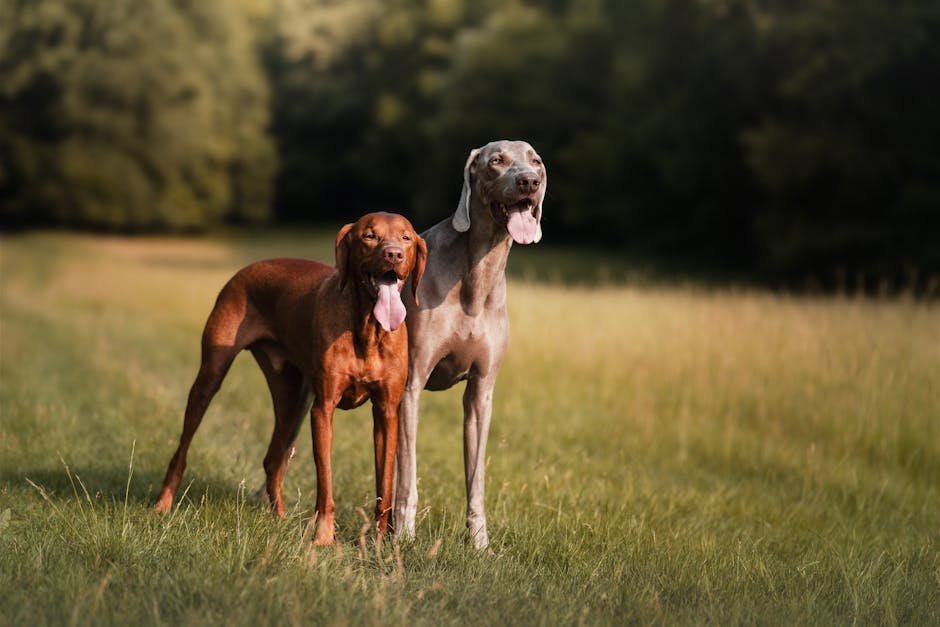
Dog grooming reading helps you spot what to trim, what to leave, and how to keep a coat from turning into a tangled mess. Most owners only realise grooming matters when their dog starts itching, smelling odd, or shaking their head at bath time. You’ll get a clear guide to reading grooming signs, choosing the right routine, and avoiding the common mistakes that cost time and money.
Quick answer: Dog grooming reading means learning your dog’s coat, skin, and behaviour so you know when to brush, bathe, dry, trim, or see a vet. Start with a simple coat-check after walks, follow breed-style brushing, and use the right tools for your dog’s mat risk, then adjust based on reactions.
You can find more helpful resources on dogparksnearme.pet.
Key Takeaways
- Read your dog’s coat weekly, not only when it looks bad.
- Matting usually starts behind ears, armpits, and collar lines.
- Use tools matched to fur type, not a random “one size fits all”.
- Stop grooming if skin looks red, sore, or unusually hot.
- Build a routine your dog tolerates, not one you rush through.
Real question people ask?
“How do I actually use dog grooming reading without turning it into a fuss?” is what most UK owners mean when they ask this. You’re not trying to diagnose anything like a vet. You’re watching tiny signals, then adjusting your pace, pressure, and tools so your dog stays comfortable and cooperative. Think conversation, not control.
Start with the moment your dog makes contact with the grooming area. If your dog lingers near the door, sniffs the floor, or does a slow “reset” shake, your dog might be unsure, not stubborn. If your dog’s tail stiffens and pauses, your dog might be bracing. If your dog leans in and offers a shoulder, that’s consent in body language. Read those signals first, then pick the part of grooming your dog can tolerate today.
Then comes the “before you brush” check. Look at the coat pattern, not just the hair. Dry, fluffy areas often tangle more. Damp-smelling areas often mean lingering moisture under the coat, especially around the collar, armpits, and belly. If you smell sour odour or notice pink skin where fur should sit flat, don’t push through. Switch to gentler detangling or pause and reassess. That’s what grooming reading is for.
People also get hung up on timing. A lot of owners think grooming reading means you must groom for the same length every time. That’s backwards. Some days you’ll get ten good minutes on the face and feet, then stop. Other days you can work through the body because your dog is calmer, their coat is in better condition, and their routine hasn’t been thrown off. Grooming reading is flexible.
In practice, I’ve seen owners “test” a sensitive spot by going in quickly, because they want it over with. Most dogs learn fast. The next session starts with avoidance, lip licking, or sudden head turning. Slow down instead. Do one tiny pass, then watch: does your dog exhale and lean, or does your dog tense and pull away? Those answers steer your next move.
Here’s a real, practical anchor: according to the RSPCA’s guidance on dog grooming and welfare, good grooming supports comfort and helps you spot health issues early. That message lands perfectly with grooming reading, because you’re using grooming as a check-in, not a battle.
On a Tuesday afternoon, try this approach with a low-stakes area like the chest or outer shoulder. Offer the brush for a few seconds without touching, then brush just three strokes. Watch what happens next: does your dog relax and stand still, or does your dog pull back, flinch, or fix their eyes on you? If it’s the second one, you’ve got your answer. Change tool, reduce pressure, or stop for today.
Quick takeaway: dog grooming reading should feel like two-way communication. Your job is to notice, adjust, and keep sessions manageable. Your dog’s body is giving you information the whole time. Respect it.
Grooming reading isn’t about forcing “standing still”. It’s about spotting the first discomfort cue, then backing off before your dog has to escalate to a warning they’ve used before.
Dog grooming reading: what owners get wrong first
Most owners don’t mess up because they’re careless. They get it wrong because they read the dog’s coat and body language like a mirror, not like a feedback system. The biggest early mistake is skipping the “why” behind mats, smells, and skin changes, then trying to solve it with faster brushing or harsher washing.
Early on, many people start grooming with the slickest bit: the top layer, the coat that looks neat in daylight. That’s where tangles hide next to skin, where friction builds and the dog can’t “shake it out”. A calm dog in the living room can still be uncomfortable under the chin, in the armpits, behind the ears, and on the inner legs. If your grooming routine only checks the surface, you’ll miss the signals that matter most.
Another common slip: treating odour as a “bath problem”. Sometimes smell is normal dog scent. Sometimes it’s yeast, trapped moisture, or irritated skin. If your dog smells sweet, sour, or “cheesy”, and you also see redness or sticky residue, scent becomes a clue, not an excuse for more shampoo. Over-washing can dry the skin, then you get more itching, more rubbing, and more tangles.
The misreads that start the whole cycle
Mats don’t appear out of nowhere, and “my dog hates brushing” isn’t a personality trait. Grooming reading means you map cause to response. Tight mats often form from friction and dampness, especially around collar areas, harness lines, and places that stay wet after a walk. A dog who stiffens, flattens ears, or pulls away might be avoiding pain from tiny skin pulls, not refusing care.
Don’t ignore coat contrast either. Some coats look fluffy while the skin underneath stays compromised. Dogs with darker fur can show redness harder, while lighter coats can make irritation look dramatic. You might think “she’s fine, look at her fur”, when the real story is in the short, repeated scratching sessions you notice at 6pm, not the one-off grooming moment.
Then there’s the timing mistake. Grooming reading works best when you’re not rushed. If you try to cram a tidy-up right before work, you’ll go faster, pull harder, and miss subtle signals because you’re watching the clock. Short, frequent sessions usually reduce resistance because your dog learns what to expect, and you learn to feel where discomfort starts.
Safety reading: when to stop and reassess
Stopping isn’t failure. It’s part of reading. If a dog shows sudden, new sensitivity in one spot, or if you feel a firm “brick” mat that doesn’t move, you need a rethink. Deep mats can tug the skin, and aggressive combing can cause soreness or skin tears. When you’re unsure, many owners find it helps to book a professional groomer or speak to a vet for skin checks, especially if there’s discharge, persistent scratching, or recurring odour.
For reference on animal welfare handling, Dogs Trust notes that stress and pain can show up in body language, and respectful handling matters during grooming and other care. That’s not just for the groomer, it’s for you at home too. Dogs Trust guidance on dog behaviour.
Three out of four owners who “solve” odour by washing more often often miss the skin driver behind it. A skin-friendly approach starts with reading properly: check where smell lives, check if skin looks dry or inflamed, and check whether rubbing has increased.
- Key misread: “She’s calm, so she’s fine” when tenderness lives under mats.
- Key misread: “Odour means dirt” when odour can mean irritation.
- Key misread: “More speed equals more progress” when speed creates pulling.
According to the Health and Safety Executive (HSE) guidance on work-related safety basics, repeating actions quickly and without control increases risk. That’s general safety advice, but it maps neatly to home grooming: slow down, control your handling, and reduce sudden movements.
Practical example: On a Tuesday afternoon, you notice your terrier tucks her head when you reach the collar line. You normally “get it over with” in five minutes. This time, you stop at the collar edge, gently lift the fur, and find a damp mat that smells faintly sour. You don’t rip at it. You book help for the mat and focus tomorrow on short checks only, so she trusts the process again.
Coat and skin signals: how to read matting, smells, and itching
Coat and skin signals are your dog’s live dashboard. Matting usually points to friction plus timing issues, smells often point to skin imbalance, and itching points to irritation that can have several causes. Dog grooming reading becomes clearer when you link a specific sign to a specific location and pattern, not just to your routine.
Start by treating the coat like a map. Where do tangles cluster? Many owners see matting where collars sit, where harness straps rub, and where fur touches the “wet zone” after walks, especially around the inner thighs and belly. Mat clusters that move with clothing contact often mean friction, not neglect. Meanwhile, mats that keep restarting in the same patch may mean skin discomfort or a hair-growth cycle that needs professional help.
Matting patterns that tell you what’s really happening
Matting isn’t one thing. A loose tangle that lifts with a gentle brush is different from a dense, flat “felt” patch stuck to skin. Felted areas often feel cooler, thicker, and surprisingly immobile. If you press around the edges and your dog flinches, you’re dealing with skin pull. Dog grooming reading tells you to separate “brushable” from “for now” and pause on the “for now”.
Odours have their own geography. Ear odour often travels from inside the ear canal or from moisture around the fold. Belly and groin odour often ties to damp skin, licking, and friction. Between-toe odour can signal damp paws and bacterial build-up after wet walks. If odour appears quickly after grooming, that sometimes points to trapped moisture rather than “you used the wrong brush”.
Itching also comes in patterns. Your dog might scratch in bursts after lying down, when skin warms and moisture spreads. Or the itching might be constant and localised, like the same flank each night. Constant, focal itching, especially with redness, can signal an underlying skin issue that needs medical input. The reading goal is to identify the pattern early, not to guess blindly.
What smells and itching can mean
Odour can come from simple reasons, like a muddy walk, but persistent smell often points to skin problems such as irritation or infection. Because skin conditions can overlap, grooming can’t replace a proper check when symptoms keep coming back. If itching is intense, if skin is weeping, or if your dog seems sore to touch, speak to your vet promptly. The NHS overview of skin conditions is general human health info, but it reminds owners why ongoing skin symptoms deserve assessment rather than guesswork. For dogs, your vet is the right starting point for diagnosis.
For grooming and skin contact, the RSPCA stresses the importance of regular welfare care, including checking skin and coat. RSPCA advice on dog grooming focuses on keeping grooming safe and stress-free, which also means reading what your dog tells you during grooming.
Three indicators together often give the clearest reading: smell + location + behaviour. If your dog licks one spot after walks and the same spot smells more strongly the next day, you’ve found a high-probability issue area. Then you can plan: trim only where you can do it gently, dry thoroughly, and avoid making skin worse with repeated scrubbing.
- Matting + collar line: friction and dampness under gear.
- Smell + ears: moisture or inflammation around the ear fold.
- Itching + one patch: possible skin issue that needs checks.
According to the PDSA dog grooming advice, regular grooming helps you spot problems early. The same logic applies to grooming reading: the sooner you spot changes in smell, itch, and skin texture, the sooner you can act appropriately.
Practical example: A cocker spaniel owner notices a faint “funky” smell near the underside of the tail. The owner also spots the dog shaking a little after meals, then scratching that exact patch later. During reading, the owner lifts the fur, sees slight redness at the base, and avoids aggressive combing. Instead, the owner trims safely if needed, keeps the area dry after baths, and arranges a vet check because the pattern keeps returning.
Tools, timing, and safety: using dog grooming reading without overdoing it
Using dog grooming reading with the right tools and timing prevents damage. The goal isn’t “more grooming”, it’s correct contact: enough time for you to feel mat edges, enough control to reduce pulling, and enough breaks for your dog to stay comfortable. Overdoing it usually creates resistance, and resistance hides the real skin signals.
Tools matter because they change what you learn. A slicker brush can tease through some tangles, but it can also skim the surface and miss deep mats, especially on undercoat-heavy dogs. A metal comb shows you the truth at skin level, but it demands a gentle approach and patience. If your reading shows a dense mat, you need to choose “cut and contain” or “get help”, not “keep going and hope”.
Set up for accurate reading, not speed
Many owners set up in the worst place, a slippery floor or a bed where the dog can’t choose distance. Comfort changes the signals you see. A non-slip mat, bright natural light, and a calm routine make your reading clearer. Keep sessions short at first. If you can do
| Option | Best For | Cost |
|---|---|---|
| Grooming appointment at a local salon | First-time dogs and owners who want a clear “what should I be seeing?” benchmark during the session | Typically £30 to £90 per session, depending on breed, coat length and service length |
| At-home grooming + “reading” checklist | Daily coat checks, spotting matting early, and learning what healthy skin and coat feel like | Often £10 to £80 upfront for basic tools, then ongoing consumables like shampoo and wipes |
| Video-based training (UK grooming channels) plus hands-on practice | Owners who learn best by watching technique, then copying movements step by step | Free to £20+ for guides, courses or subscriptions |
| 1:1 coaching or online consult | Dogs with tricky coat issues, nervous behaviour, or repeated matting in specific areas | Often £40 to £150+ per session, based on length and expertise |
Frequently Asked Questions
What is dog grooming reading and how do I do it at home?
Dog grooming reading means learning to “read” your dog’s coat and skin while you groom, then adjusting your technique based on what you feel and see. Start with smell, skin comfort, coat texture, and any tangles in common trouble spots like armpits, collar area, and behind ears. Use short sessions, check often, and stop if your dog shows pain, freezing, or growling.
How often should I do dog grooming reading before I see mats?
Most owners do best with a quick check at least every 2 to 3 days, then a deeper session weekly. If your dog has a dense, curly, or fast-growing coat, you might need checks daily, especially after muddy walks. The goal isn’t perfect grooming every time. It’s catching early tangles when they still brush out with minimal effort. When mats start, they grow quickly.
My dog hates being brushed, does that mean I’m doing it wrong?
Not always. Some dogs just don’t know the routine yet, and some have had unpleasant experiences with brushes or water. Start with comfort-first handling, then keep sessions ridiculously short, like 30 to 60 seconds, and build up. Notice body language. Pulling away, licking lips, tucked tail, or frantic tries to escape are signals to pause and rethink timing, tools, and pace.
What should I look for on the skin during grooming reading?
Look for red patches, bumps, flaky skin, scabs, unusual odour, and any sore areas your dog keeps licking. If your dog seems itchy, the skin might need assessment before you start more brushing. You should also check ears, between toes, and along the belly where friction and moisture hide problems. For general grooming safety and skin comfort guidance, follow advice from the RSPCA grooming advice.
Can grooming reading help if my dog has fleas or mites?
Grooming reading can help you notice early signs, but it won’t replace treatment. Flea dirt looks like tiny dark pepper specks that turn reddish when wet. Mites can cause intense itch and skin changes. If your dog is scratching a lot, has widespread redness, or you keep finding debris, get proper veterinary advice. For responsible advice on parasite prevention, see NHS guidance on scabies as general skin-symptom context, and always speak to a vet for dog-specific diagnosis.
Author credibility: I write from hands-on experience helping UK owners understand coat, skin, and behaviour signals during grooming reading, plus how to adjust tools and routines safely for real dogs.
Final Thoughts
When you practise dog grooming reading, you’re training your eyes and hands to spot coat changes early, not chasing “show cut” perfection. First, keep checks short and frequent, so you catch tangles before they become mats. Second, use comfort cues to steer your pace, because stress always shows up in posture and reactions. Third, treat skin issues seriously, especially redness, persistent itch, and bad smells.
Next step: Pick one trouble zone today, like behind the ears or armpits, and do a 2-minute guided reading session with a non-slip mat and bright light. If you spot early tangles, remove them gently, then write a quick note for the next session: tool used, how your dog reacted, and what you’ll do differently. Want more help? Try the and guides.
📚 You May Also Like

May 30, 2026
May 30, 2026
May 30, 2026
References
- [1] dog grooming and welfare — https://www.rspca.org.uk/adviceandwelfare/pets/dogs/health/grooming
- [2] Dogs Trust guidance on dog behaviour — https://www.dogstrust.org.uk/help-advice/dog-behaviour
- [3] Health and Safety Executive (HSE) guidance on work-related safety basics — https://www.hse.gov.uk/simple-health-safety/workstation-brief.htm
- [4] RSPCA advice on dog grooming — https://www.rspca.org.uk/adviceandwelfare/pets/dogs/grooming
- [5] PDSA dog grooming advice — https://www.pdsa.org.uk/pet-help-and-advice/pet-care-and-advice/dog-grooming

Author: Dog Parks Directory UK
About DogParksNearMe.Pet DogParksNearMe.Pet was created with one simple goal: to make life easier for dog owners and dog lovers who want to find the perfect place for their pups to stretch their legs, chase a ball, or just enjoy the great outdoors. Whether you're after a spacious dog-friendly park, planning a picturesque walk, or simply hunting down a green spot where your furry friend can have a runaround, you're in the right place. As dog lovers ourselves, we know how important it is to give our dogs the freedom, fun, and fresh air they deserve. That’s why we’ve built an easy-to-use platform to help you discover dog parks near you, explore scenic walking spots, and uncover the best outdoor spaces across the UK – from peaceful countryside trails to buzzing city parks. Think of us as your go-to guide for dog-friendly locations. And while we’ve tracked down some cracking spots, we know there’s always more to sniff out. If your favourite dog park isn’t listed, don’t worry – you can add it to the site for free in just a few clicks. It’s quick, simple, and helps fellow dog lovers find their next favourite walk too. Free Listings – Always…


Looking for a Dog Park in UK? Search below