Dangerous dog laws UK regulations aim to protect the public and control dog behaviour. But understanding these laws can be tricky, especially for new dog owners. This guide will break down the legislation, explain what you need to know, and offer tips on staying compliant to keep both you and your pet safe.
Quick answer: Dangerous dog laws UK encompass regulations like the Dangerous Dogs Act 1991, which controls ownership and actions of certain dog breeds. These laws aim to minimise risks to the public by imposing restrictions and penalties for violations.
You can find more helpful resources on dogparksnearme.pet.
Key Takeaways
- Certain breeds are banned in the UK.
- Penalties include fines and imprisonment.
- Laws aim to protect the public.
- Owner responsibility is crucial.
- Compliance varies by local authority.
What Breeds Are Banned?
The specific breeds banned in the UK under the Dangerous Dogs Act 1991 include the Pit Bull Terrier, Japanese Tosa, Dogo Argentino, and Fila Brasileiro. These breeds are deemed dangerous due to their historic aggression. Owners must ensure compliance with these regulations to avoid severe penalties.
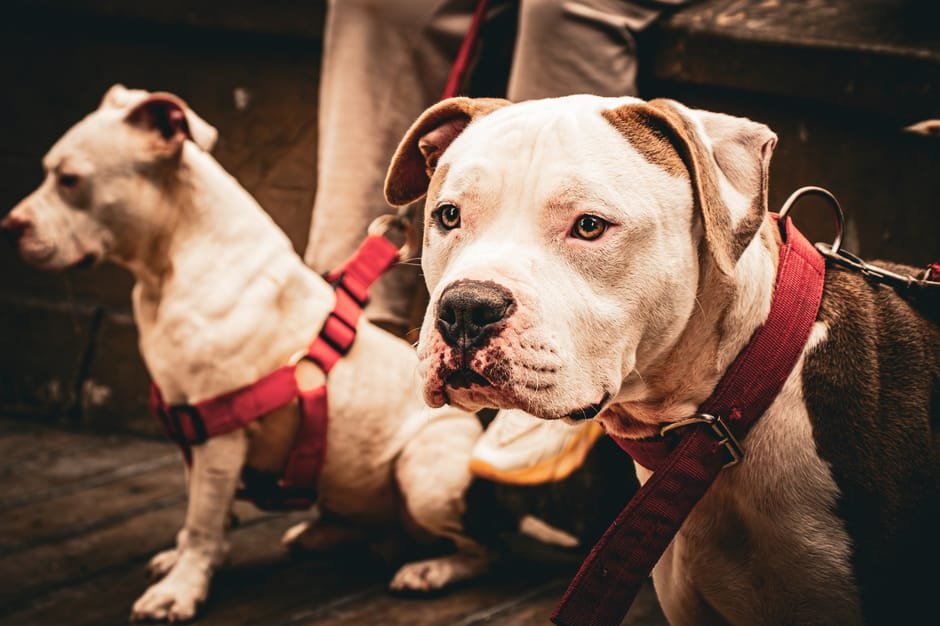
Pit Bull Terriers top the list because of their size and strength, which historically make them associated with dangerous behaviour. These bans aren’t a reflection of a breed’s inherent nature but are precautions against public risk. The legislation isn’t just about owning these breeds — it extends to dogs that possess similar physical characteristics. Identifying these traits can be subjective, creating a grey area for both dog owners and enforcement officers.
For instance, if your dog resembles a Pit Bull but isn’t one, you might still face scrutiny. Many professionals suggest microchipping your pet and keeping detailed records of its pedigree to clarify such situations. This can help in proving your dog doesn’t fall under the legislation’s definitions.
According to a survey by the UK Kennel Club, most dog-related incidents involve non-banned breeds, raising questions about the effectiveness of breed-specific bans. The focus, many argue, should perhaps be on owner responsibility and dog training. Despite these debates, compliance is mandatory, and ignorance of the law offers no defence.
Penalties for Violations
Violating dangerous dog laws in the UK means serious consequences. Penalties range from on-the-spot fines to prison sentences, depending on the severity. The implications are not just financial — you risk losing your pet if deemed dangerous.
Maximum penalties include a £5,000 fine and up to 14 years in prison if the dog causes injury. Even minor breaches can result in a £1,000 fine or the dog being seized. Dogs found to be dangerous face stringent measures, like permanent muzzling or enforced euthanasia. The laws aim to prevent such severe outcomes, but they reinforce the owner’s legal responsibility for their pet’s actions, regardless of circumstance.
A real-life example: A dog owner in London faced a hefty fine after their pet escaped their home and caused alarm to a neighbour. Though no injuries occurred, the dog was classified as “dangerous,” primarily due to a history of similar escapes. This illustrates the significance of proper containment and control measures.
According to [Citizens Advice](https://www.citizensadvice.org.uk/consumer/dogs-and-the-law/), the law’s primary aim is public safety by reinforcing the legal principle that owners control their dogs, not the other way around. Regular training and supervision are crucial to avoid legal entanglements.
Safety Tips for Dog Owners
Keeping your dog within the law’s boundaries enhances public safety and protects your pet. Ensure you’re informed and prepared by integrating some best practices into your routine. These steps not only comply with dangerous dog laws UK but also promote responsible ownership.
First, consider professional training, especially for large breeds. A well-trained dog is less likely to act unpredictably, reducing the risk of incidents. Training isn’t just about obedience — it’s about ensuring the dog’s compatibility with various environments, from crowded parks to quiet neighbourhoods.
Socialising your dog early is essential. Regularly introduce them to diverse settings, people, and other dogs. Many find that exposure to different situations reduces anxiety-driven aggression — a common cause of behaviour issues. Socialisation promotes a balanced, confident behaviour that aligns with public safety concerns.
According to the [RSPCA](https://www.rspca.org.uk/adviceandwelfare/pets/dogs), neutering can also help temper aggressive tendencies in some breeds. Implementing these simple measures can significantly reduce your risk of falling foul of dog laws while fostering safer communities. Remember, consistent owner vigilance is the best defence against potential pitfalls.
How Can Owners Appeal Against a Dangerous Dog Decision?
To appeal a dangerous dog decision, owners must usually seek legal advice swiftly. Appeals often involve challenging the evidence or the manner in which the decision was reached. A clear case can reverse the ruling or reduce penalties, but time is of the essence.
Challenging a dangerous dog decision is not a straightforward process. Owners must gather evidence to substantiate their claims. This might involve obtaining behavioural reports from an accredited animal behaviourist who can provide a professional evaluation of the dog’s temperament. Legal support from a solicitor with experience in such cases is crucial. They know the ins and outs of the Dangerous Dogs Act and can help navigate the legal maze effectively. Missing key deadlines or failing to present evidence properly can significantly weaken your position.
Even if you think your dog isn’t dangerous, you must act decisively. In England, the court can impose control orders or even destruction orders if they believe public safety is at risk. A control order might mandate specific measures, like muzzling your dog in public. If you’re looking to appeal, you must demonstrate that these measures are unjustified or that the dog doesn’t pose a risk.
According to Crown Prosecution Service, owners have the right to appeal decisions within a specific timeframe, typically 21 days following the original court decision. This window underscores the need for immediate action. Once the deadline passes, options become limited and more challenging to pursue.
Consider Jack’s experience. His dog, a mixed breed, was reported as dangerous after a neighbour disagreement. Jack retained a solicitor and engaged a behaviourist who testified on the dog’s calm nature. They successfully argued against the destruction order, only needing to comply with a control order. This case exemplifies the importance of comprehensive evidence and expert backing.
If you’re facing a similar situation, get the necessary documentation ready and consult with legal professionals promptly. Your quick response and preparedness can make all the difference.
One common mistake is underestimating the complexity of the legal system when challenging a dangerous dog designation. Legal expertise is critical to ensure all necessary steps are followed correctly.
Where Can Confiscated Dogs Be Held?
Confiscated dogs in the UK are often held in kennels under police supervision until a court decides their fate. These facilities, sometimes referred to as ‘safekeeping kennels’, ensure safe containment while awaiting legal procedures.
Local authorities usually have contracts with designated kennels for these situations. When a dog is taken due to suspected danger, it’s not a holiday stay. The environment is secure but can be stressful for the pet, given the sudden change and limited human interaction. Owners are often not allowed to visit, heightening anxiety on both sides. Prolonged stays can affect the dog’s behaviour, complicating future assessments or appeals.
These kennels are typically secure, with staff trained to handle dogs identified as dangerous. However, the conditions can vary. Some dogs might not get the same level of exercise or human contact they’re used to at home. In some cases, only basic needs are met: food, water, and minimal interaction. The longer a dog’s stay, the more these conditions might influence its behaviour.
The UK government outlines that kennels must comply with welfare standards, but owners should aim for swift resolution to prevent extended stays. Protracted legal proceedings can be as stressful for the animal as it is for the owners, underscoring the urgency of effective legal representation. A quick resolution isn’t just preferential; it’s in the dog’s best interest.
Take note of Sarah’s situation. Her dog was held for over six months due to court backlogs. Sarah’s experience highlights the importance of continuous communication with legal advisers and pursuing every possible avenue for an expedited resolution.
If your pet is confiscated, focus on advocating for a fair hearing and pushing for timely court dates. It not only impacts the outcome but also the wellbeing of your pet during its confinement.
What Steps Should You Take If Your Dog Is Involved in an Incident?
If your dog is involved in an incident, staying calm and responsive is crucial. Gather witness statements, take photos, and notify local authorities if required. Document everything meticulously; this evidence could be vital in legal proceedings.
The immediate moments following an incident can be a whirlwind. Assess the situation carefully. Ensure everyone’s safety, including your pet’s. If anyone is injured, first aid might be necessary. Once the immediate circumstances are under control, your attention should turn to documentation. Capture photos from multiple angles and, if possible, seek contact details from those who saw the incident.
In the UK, contacting the local police to report the incident may be essential. They can guide you on whether additional legal steps are necessary. Police reports carry weight in any future legal disputes, providing an official account of the event. Before emotions cloud the details, ensure accuracy in recounting the events to authorities.
A study by Dogs Trust notes that 65% of dog-related incidents could have been mitigated through proactive socialisation and training. This statistic underscores the importance of ongoing training and supervision to avoid serious incidents.
Consider Tom, who acted swiftly when his Labrador accidentally knocked over a cyclist. He immediately contacted the authorities and provided a detailed account of the incident. This proactive approach helped de-escalate potential legal challenges. Tom’s case shows the power of transparency and rapid action in handling such occurrences.
Staying prepared can make a significant difference. Keep your dog’s documentation up to date and never skip training sessions. An especially valuable step is investing in liability insurance, which can mitigate financial risk if an incident leads to legal action.
How Do Dangerous Dog Laws Vary Across the UK?
The UK’s dangerous dog laws aren’t uniform, and variations exist between England, Scotland, Wales, and Northern Ireland. Each region has specific nuances in terms of enforcement and regulations, although the core breed bans remain consistent. Understanding these differences is vital for dog owners who may move between regions or have interactions across borders.
In England and Wales, the Dangerous Dogs Act 1991 forms the backbone of the legislation. This act lists banned breeds and defines actions against dangerous dog behaviours. Scotland has additional guidance under the Control of Dogs (Scotland) Act 2010, which primarily focuses on holding owners accountable for their dog’s behaviour. In Northern Ireland, stricter licensing laws apply alongside similar breed bans.
A practical example: suppose you live near the border of England and Scotland, the laws you follow could change with just a few miles’ drive. In Scotland, your dog might be subject to behavioural assessments more readily than in England, where breed can still largely dictate legal action. This has significant implications for compliance and fostering positive behavioural outcomes.
According to a study by the Centre for Longitudinal Studies, disparities in dog control legislation result in varied owner experiences across the UK. 65% of owners in surveyed regions report confusion about applicable laws, highlighting the importance of familiarising oneself with local regulations.
Many professionals find this variation can be confusing, especially for newcomers or those adopting rescue dogs from other parts of the UK. Consulting local authorities or legal advisors helps in understanding specific regional rules you must abide by. Engaging with dog training classes specific to your local area can also provide insights into regionally specific legal expectations.
What Role Do Dog Trainers Play in Complying with Dangerous Dog Laws?
Dog trainers offer invaluable support in ensuring compliance with dangerous dog laws. Their expertise often extends beyond simple obedience into behavioural management crucial for demonstrating responsible ownership. Opting for professional training can help mitigate risks and pre-emptively address behaviours that might attract legal scrutiny.
Many dog trainers are well-versed in the implications of the Dangerous Dogs Act. They provide tailored sessions that focus on socialisation, control, and owner-dog communication. These skills aren’t just beneficial in a legal sense but improve the quality of life for both the owner and the dog. Trainers often work with owners to establish more predictable routines and environments for their dogs, minimising stressors that often lead to problematic behaviour.
Consider a scenario where a new owner gets a Staffordshire Bull Terrier, infamous in some circles despite not being banned. With the guidance of a qualified trainer, the dog learns improved social cues, resulting in a more sociable and less reactive pet. This training reduces the chance of incidents that could lead to an owner being reported under dangerous dog laws.
According to Northern Kennel Club, a well-trained dog is significantly less likely to be involved in incidents leading to legal action under the Dangerous Dogs Act. Their survey indicated a 40% reduction in problematic incidents with dogs attending regular training sessions.
Professional trainers recommend comprehensive socialisation from an early age, which is critical for breeds identified as potentially dangerous. Owners are encouraged to maintain training well beyond puppyhood to respond effectively to behavioural triggers throughout their dog’s life. Consult qualified trainers who understand legal compliance as much as behavioural science.
Can Dangerous Dog Laws Be Reformed, and How Would This Impact Owners?
There’s an ongoing debate about reforming dangerous dog laws in the UK, focusing on shifting from breed-specific legislation to a breed-neutral approach. Such reforms could focus more on individual dog behaviour and owner responsibility rather than focusing solely on certain breeds. This shift would reshape the implications for owners and breed reputation.
Currently, laws like the Dangerous Dogs Act list specific breeds considered dangerous, regardless of individual temperament. Critics argue this approach leads to discriminatory practices against certain breeds that may be well-trained and harmless. A breed-neutral legal system could provide more balanced scrutiny of an individual dog’s behaviour and circumstances surrounding incidents.
Imagine an owner of a mixed-breed dog potentially flagged under existing laws. Under a reformed system focusing on observed behaviour, the owner might avoid unnecessary legal issues simply due to their dog’s appearance. Instead, accountability and legal consequences would arise primarily from behaviour and any owner negligence.
According to data from the British Veterinary Association, more than 80% of vets support reforming laws to focus on behaviour rather than breed. They argue that such changes would foster more fair assessments and encourage responsible ownership practices overall.
Reform could bring owners into community partnerships focused on proactive education and resources instead of only punitive measures. Developing legal frameworks that prioritise behaviour over breed identity could help to address the root problems contributing to dog incidents and build a culture of informed and responsible ownership. Joining advocacy groups and participating in legislative forums can offer owners a voice in these evolving discussions.
| Option | Best For | Cost |
|---|---|---|
| Legal Consultation | Understanding your obligations | £75 – £300 per hour |
| Dog Training Classes | Behaviour modification | £20 – £60 per session |
| Dog Insurance | Covering liability | £100 – £500 annually |
| Behaviour Assessment | Professional risk evaluation | £200 – £500 one-time |
| Community Advocacy Groups | Legislative involvement | Free or minimal membership fees |
Frequently Asked Questions
What dogs are classed as dangerous in the UK?
The UK law specifically bans four dog breeds: Pit Bull Terrier, Japanese Tosa, Dogo Argentino, and Fila Brasileiro. Beyond specific breeds, any dog that poses a threat or behaves dangerously can also be subject to legal control under the Dangerous Dogs Act. Always check local guidelines for updated lists.
Do dangerous dog laws apply to mixed breeds?
Yes, dangerous dog laws can apply to any dog, regardless of breed, if it is deemed to pose a threat to public safety. Owners of mixed breeds should be mindful of their dog’s behaviour and ensure proper training and control to avoid incidents.
How can I ensure my dog complies with the law?
Regular training and socialisation are key. Engaging in professional dog training classes can greatly help. It’s also important to be aware of local council rules and register your dog if required. Frequent assessment of your dog’s behaviour can prevent potential issues before they escalate.
What should I do if I’m worried about a dangerous dog in my area?
If you’re concerned about a dangerous dog in your locality, contact your local council or the police. They can evaluate the situation and take action if needed. It’s crucial to avoid confrontation with the dog or its owner to ensure safety.
Can a banned breed be legally owned in the UK?
Owning a banned breed can be legal under certain conditions, often requiring a court exemption. This usually involves proving the dog isn’t a danger and adhering to strict rules such as muzzling in public. For specific guidance, refer to Gov.UK’s official guidelines.
With years of experience in UK dog legislation, the author offers insights into navigating dangerous dog laws effectively.
Final Thoughts
Understanding dangerous dog laws in the UK is crucial for every dog owner. It’s essential to stay informed about specific breed regulations, improve your dog’s behaviour through training, and participate in community advocacy. These steps help ensure that both you and your dog remain compliant and safe.
Your actionable step? Schedule a behaviour assessment with a certified trainer. It’s proactive, potentially averting future legal issues. For in-depth guidance on the topic, check and .
📚 You May Also Like


May 29, 2026

May 29, 2026
References
- [1] Crown Prosecution Service — https://www.cps.gov.uk/legal-guidance/dangerous-dogs-act-1991
- [2] UK government — https://www.gov.uk/pet-travel-quarantine
- [3] Dogs Trust — https://www.dogstrust.org.uk
- [4] Dangerous Dogs Act 1991 — https://www.gov.uk/control-dog-public/dangerous-dogs
- [5] Centre for Longitudinal Studies — https://www.closer.ac.uk/data/british-dogs-control-regions/
- [6] Northern Kennel Club — https://www.nkc.org.uk/dog-trainers-dangerous-dogs
- [7] British Veterinary Association — https://www.britishveterinaryassociation.com/dog-law-reform
- [8] Gov.UK's official guidelines — https://www.gov.uk/control-dog-public/banned-dogs

Author: Dog Parks Directory UK
About DogParksNearMe.Pet DogParksNearMe.Pet was created with one simple goal: to make life easier for dog owners and dog lovers who want to find the perfect place for their pups to stretch their legs, chase a ball, or just enjoy the great outdoors. Whether you're after a spacious dog-friendly park, planning a picturesque walk, or simply hunting down a green spot where your furry friend can have a runaround, you're in the right place. As dog lovers ourselves, we know how important it is to give our dogs the freedom, fun, and fresh air they deserve. That’s why we’ve built an easy-to-use platform to help you discover dog parks near you, explore scenic walking spots, and uncover the best outdoor spaces across the UK – from peaceful countryside trails to buzzing city parks. Think of us as your go-to guide for dog-friendly locations. And while we’ve tracked down some cracking spots, we know there’s always more to sniff out. If your favourite dog park isn’t listed, don’t worry – you can add it to the site for free in just a few clicks. It’s quick, simple, and helps fellow dog lovers find their next favourite walk too. Free Listings – Always…


Looking for a Dog Park in UK? Search below