How to Prevent Injuries at the Dog Park: Essential Safety Tips
Taking your dog to the park is a fun and rewarding experience. However, it’s essential to keep safety in mind to prevent injuries for both you and your furry friend. By taking a few precautions and staying aware of your surroundings, you can ensure a joyful outing that’s also safe. Here are some essential tips to help you prevent injuries at the dog park.
1. Know Your Dog’s Behavior
Understanding your dog’s behavior is key. Different dogs exhibit different temperaments. Some are social butterflies, while others prefer their space. Observe how your dog interacts with others. If your dog shows signs of anxiety or aggression, it may be best to keep them on a leash or avoid the park altogether.
2. Choose the Right Time
Timing can make a significant difference in your dog park experience. Busy parks can lead to chaotic situations where injuries might occur. Consider visiting early in the morning or during weekdays when fewer dogs are present. A less crowded park creates a calm environment.
3. Check the Park Environment
Before letting your dog run free, inspect the park for potential hazards. Look for:
- Broken glass or other sharp objects
- Exposed wires or anything that might entangle a dog
- Puppies playing too roughly with larger dogs
- Poop that could carry diseases
Addressing these hazards can significantly reduce the risk of injury.
4. Leash and Unleash Wisely
When entering or exiting the park, keep your dog on a leash. This helps prevent any sudden excitement or altercations with other dogs. Once inside, you can unleash them if you feel it’s safe to do so. Always be ready to call them back if another dog approaches.
5. Keep Vaccinations Current
Before bringing your dog to a public park, make sure their vaccinations and preventative medications are up to date. Vaccinated dogs are less likely to transmit illnesses to one another. Regular veterinary check-ups and ensuring your dog is healthy also go a long way in keeping everyone safe.
6. Monitor Play Behavior
As your dog plays, keep an eye on their interactions with other dogs. Look for signs of distress, aggression, or any type of play that seems too rough. If you notice any troubling behavior, intervene immediately. You want to ensure everyone has fun without getting hurt.
7. Utilize Dog Park Etiquette
Practicing dog park etiquette is crucial. Here are some rules to follow:
- Always pick up after your dog.
- Don’t allow your dog to chase or corner other dogs.
- Supervise your dog while they’re playing.
- Respect the park’s rules, including age and size restrictions.
Following these simple guidelines contributes to a safer environment.
8. Provide Fresh Water
Dogs can become dehydrated quickly, especially when they are running around. Bring a portable water bowl and offer them drinks during breaks. This practice helps keep your dog hydrated and prevents overheating.
9. Educate Yourself with Resources
Staying informed about dog park safety can greatly benefit both you and your dog. Resources like the American Kennel Club provide valuable information on keeping dogs safe and healthy. Another excellent resource is the Dog Park Coalition, which covers essential dog park etiquette and safety guidelines.
10. Emergency Preparedness
Despite your best efforts, accidents can happen. Being prepared is key. Carry a basic first-aid kit for pets and know the location of the nearest veterinary clinic or emergency pet hospital. Familiarize yourself with basic first-aid procedures, as it can make a big difference in critical situations.
By following these essential tips, you can maximize your dog’s enjoyment while minimizing the risk of injuries. Keeping safety a priority ensures that every visit to the dog park is a positive and happy experience for both you and your dog.
Understanding Dog Behavior to Minimize Risk at the Park
Dog parks can be a delightful place where your furry friend can run, play, and socialize. However, understanding dog behavior is crucial to minimizing risks for your pet and others. Dogs communicate through their body language, sounds, and interactions. By being aware of these signals, you can help ensure a safer experience at the park.
Firstly, it’s essential to recognize the signs of stress or anxiety in dogs. When you observe dogs in the park, pay attention to:
- Tucking Tails: A dog that has its tail between its legs may be feeling submissive or scared. This behavior can indicate discomfort or an upcoming conflict.
- Frequent Yawning: Yawning can signal stress. If a dog yawns frequently, it might need space or to be removed from a chaotic situation.
- Excessive Barking: While barking is a natural form of communication, excessive barking often reflects frustration or excitement. This could either excite or agitate nearby dogs.
- Stiff Body Posture: If a dog is standing rigidly or appears tense, it may be ready to react defensively or aggressively.
Being aware of these signals will allow you to intervene if necessary and protect your dog from potential confrontations. It is also beneficial to recognize friendly vs. aggressive interactions. When dogs play, they should exhibit certain behaviors:
- Play Bow: A dog may bow down and lower its front body while keeping its rear up to signal friendly intentions.
- Chasing: Gentle running and chasing behaviors, with a relaxed demeanor, indicate playfulness.
- Bumping and Rolling: Dogs engaging in playful wrestling or rolling around safely demonstrates a good time.
However, when you notice a dog with raised hackles, growling, or baring teeth, it may indicate that the dog is feeling aggressive. That’s when it’s essential to step in and redirect your dog to a safer area.
Recognizing the types of dog play is also important. There are various play styles that you should observe:
| Play Style | Description |
|---|---|
| Chase | Dogs chase each other, often taking turns. Look for relaxed postures. |
| Wrestle | Dogs roll and engage in playful grappling but should not show signs of fear or aggression. |
| Social Sniffing | Dogs approach each other, allowing for a quick sniff. Vital for social interactions. |
Furthermore, the environment also plays a significant role in your dog’s behavior. Make sure to assess the park conditions. Observe the following:
- The Size of the Park: Large parks can spread out energy, reducing conflicts. A cramped space can heighten tension among dogs.
- Dog Size: Smaller dogs may feel intimidated by larger breeds. If possible, choose a space that is designated for similar-sized dogs.
- Number of Dogs: More dogs can lead to overstimulation. It’s important to assess how many dogs are at the park before allowing your pet to engage.
To enhance safety while visiting the dog park, abide by some simple rules. Firstly, always keep your dog leashed when entering and exiting the park. This prevents excitement or anxiety-induced escapes. Secondly, encourage your dog to greet others calmly—no jumping or barking. This sets the tone for positive interactions.
Consider education on canine body language. Many resources can help you understand this better. Websites like Cesar’s Way offer insights into dog behavior trends. Moreover, The American Kennel Club provides excellent guidance on reading dog signals and body language.
By observing and understanding dog behavior, you can minimize risks at the park. Being proactive and respectful of your dog’s limits, as well as those of others, ensures a positive and enjoyable experience for everyone involved. Always stay engaged and alert to the interactions around you, and you’ll be set for many happy visits to the dog park.
The Importance of Proper Socialization for Dogs
Proper socialization is crucial for dogs to develop into well-adjusted adults. It helps them learn how to interact with other dogs, animals, and people. Without proper exposure to varied environments and experiences during their early developmental stages, dogs can develop behavioral issues that make them a challenge to manage. Here are some key reasons why socialization is important for dogs:
Enhancement of Behavioral Skills
Socialization helps dogs learn important social skills. They become accustomed to various stimuli, including sounds, sights, and smells. Through interaction with different people and dogs, pets learn to communicate effectively, both verbally and non-verbally. This communication is essential for ensuring they don’t react negatively to unfamiliar situations.
- Fosters trust in humans
- Reduces fear and anxiety
- Encourages appropriate play behavior with others
Prevention of Behavioral Problems
When dogs are not adequately socialized, it can lead to a range of behavioral problems. Fear, aggression, and separation anxiety are just a few examples. Socialization during the early weeks and months helps to prevent these issues from developing.
- Reduces the likelihood of aggression towards people and other animals.
- Helps them cope with new environments.
- Decreases impulsive behaviors.
Improved Obedience
A well-socialized dog is typically more obedient. Socialization often introduces simple commands in different environments, helping them to respond better to instructions. Well-adjusted dogs tend to pay attention to their owners, leading to a stronger bond and easier training.
Exposure to Different Scenarios
Dogs hang out with many types of dogs and people during socialization. Regular exposure teaches them how to behave in various situations. This can range from navigating a busy park to meeting new people during walks. The more varied their experiences, the more adaptable they’ll become.
Positive Experiences With Other Dogs
Making friends is not limited to humans; dogs thrive on interaction with other dogs as well. Through proper socialization, they learn how to play, share space, and understand dog-to-dog communication. This helps them build confidence and reduces the chances of aggression during future encounters.
- Playdates with friendly dogs
- Visits to dog parks
- Participation in dog classes
Setting the Foundation for Lifelong Learning
Socialization is about creating a solid foundation. Dogs that are socialized early are often more willing to learn new commands and tricks. This engagement will help your pet grow into a happy and well-balanced companion.
Practical Tips for Socializing Your Dog
- Start young if possible. The best time for socialization is between 3 to 14 weeks old.
- Use positive reinforcement. Rewards can create positive associations with new experiences.
- Join puppy classes or training groups where dogs can interact safely.
- Visit different environments. Local parks, pet-friendly stores, and busy streets can all serve as valuable socialization spots.
Moreover, don’t forget to ensure vaccinations are up to date before allowing your dog to socialize with others. This adds a layer of protection against diseases that could be spread in communal areas.
Useful Resources
If you’re looking for more information on dog socialization, check out the following:
The importance of proper socialization cannot be overstated. It shapes your dog’s behavior and character, providing them with the tools they need to thrive in various situations. Initial investment in the socialization process enhances your relationship with your dog and ensures that you both enjoy many happy moments together.
Identifying Dog Park Hazards: What’s to Watch Out For
When you take your dog to the park, the excitement is palpable. However, a dog park can also present numerous hazards that you should be aware of. Understanding and identifying these dangers helps ensure a safe experience for both you and your furry friend. Here’s what to watch out for while enjoying your time at the dog park.
Common Dog Park Hazards
There are several types of hazards you may encounter at a dog park. Recognizing these can help prevent injuries and ensure a positive visit.
- Aggressive Dogs: Dog parks can be diverse in breed and temperament. Always watch for signs of aggression in other dogs, such as growling, barking, or stiff body language. If you notice aggressive behavior, keep your dog at a safe distance.
- Inappropriate Dog Behavior: Dogs that jump, run recklessly, or invade personal space can pose risks. Monitor your dog’s interactions and step in if the play becomes too intense.
- Uneven Terrain: Parks often have uneven ground, with rocks, holes, or sudden drops. Observing your dog’s running path can help prevent trips and falls, which might lead to injuries.
- Toxic Plants: Some parks may have plants that are toxic to dogs, such as this [ASPCA page on toxic plants](https://www.aspca.org/pet-care/animal-poison-control/toxic-plants). It’s best to familiarize yourself with these to keep your dog safe from any potential poisoning.
- Fences and Gates: Faulty or damaged fencing can lead to escape or injury. Always check that gates are secure before allowing your dog to play off-leash.
- Clutter and Garbage: Items left behind can be a hazard. It’s essential to look out for trash or discarded objects, like broken glass or sharp metal, that could harm your dog’s paws or mouth.
Environment-Related Risks
The environment around the dog park can also pose risks that you should keep an eye on. These include the following:
- Weather Conditions: Extreme temperatures can harm your dog. In hot weather, dogs can overheat, while cold weather can lead to frostbite. Ensure your dog stays hydrated and monitor their behavior during outdoor play.
- Parasites: Dog parks are a breeding ground for parasites like fleas and ticks. Regularly check your dog for these pests, especially after a visit, and consider using preventive treatments.
- Inadequate Supervision: It’s essential to stay alert at the park. Not only should you supervise your own dog, but also watch for issues among other dogs. Always be prepared to intervene if needed.
Best Practices for Safety
To ensure a safe and enjoyable experience at the dog park, consider implementing the following best practices:
- Visit During Off-Peak Hours: Choosing times when fewer people are at the park can reduce the chances of encounters with aggressive dogs.
- Bring Water: Keeping your dog hydrated is crucial, especially on warm days. Bring a portable water bowl for your pet.
- Keep Vaccinations Current: Regular vaccinations protect your dog from various diseases that can be transmitted in public spaces.
- Educate Yourself: Learn about dog body language to better assess when playtime is getting out of hand. Resources like the [American Kennel Club](https://www.akc.org) offer great insights on dog behavior.
- Use a Leash: Until you’re confident that your dog will behave well around others, keep them leashed when necessary, particularly when entering or exiting the park.
Emergency Preparedness
In case an incident occurs, being prepared can make a significant difference. Here are some steps to take:
- Know Emergency Numbers: Keep emergency vet numbers handy and know the location of the nearest emergency animal clinic.
- Have a First Aid Kit: A pet-specific first aid kit can be invaluable. Include essentials like bandages, antiseptic wipes, and contact info for nearby vets.
- Understand Basic First Aid: Knowing how to handle minor injuries can greatly help until professional assistance is available. Consider taking a pet first aid course.
Being mindful of these hazards and adhering to best practices will help ensure both you and your dog have an enjoyable day at the park. For more detailed information on dog safety, you can visit [PetMD](https://www.petmd.com) to further enrich your knowledge.
Essential Gear for Safe Dog Park Visits
Visiting the dog park can be a fun and exciting experience for both dogs and their owners. However, having the right gear ensures that these adventures remain safe and enjoyable. Below is a list of essential items to consider for a secure dog park visit.
Comfortable and Practical Gear for Your Dog
Choosing the right gear for your furry friend is vital to keep them comfortable and safe. Here are some must-have items:
- Collars and Leashes: A sturdy collar with an ID tag is essential. Opt for a leash that is durable but also allows for flexibility. Consider a training leash that can help with controlling your pet in exciting park situations.
- Harness: A harness can provide better control and comfort for your dog, especially if they tend to pull. Choose one that fits well and is made from breathable material.
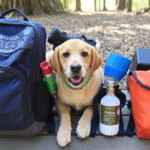
- Doggy First Aid Kit: Accidents can happen. A small first aid kit with supplies like antiseptic wipes and bandages is useful for any minor injuries.
Safety Accessories for Owners
While dogs are the main focus, your safety is equally important. Ensure you have the following:
- Comfortable Footwear: Wear closed-toe shoes that can handle different terrains. Comfortable walking shoes will help you move easily as you supervise your dog.
- Sunscreen: If you are heading to the park on a sunny day, consider applying dog-safe sunscreen on exposed areas of your pet’s skin, especially on light-colored dogs.
- Water and Portable Bowls: Keeping your dog hydrated is critical, especially during warmer months. Bring along water and a collapsible bowl for easy access.
Fun and Engaging Gear for Recreation
Your dog will enjoy their visit much more with engaging toys. These can enhance their playtime and provide mental stimulation:
- Fetch Toys: Items like balls or frisbees can encourage active play. Choose durable materials that can withstand chewing.
- Chew Toys: Having a chew toy can help distract your dog and keep them busy when they take a break from running around.
- Water Toys: If a splash zone exists, consider bringing water-safe toys to keep your dog active in and out of the water.
Health and Hygiene Supplies
Maintaining hygiene in the dog park benefits everyone involved. Equip yourself with these items:
- Dog Waste Bags: Carrying waste bags is vital for cleaning up after your pet. Many parks have disposal bins available, but it’s smart to bring your own in case they’re out.
- Towels: If your dog likes to get wet or muddy, having a towel can make cleanup easier when you get home.
- Anti-Itch Spray: If your dog has sensitive skin, consider carrying a vet-approved spray to soothe any irritation that may occur from grass or pests.
Technological Aids for Safety
With today’s technology, keeping track of your dog is easier than ever. Consider these options:
- GPS Tracker: A GPS collar or tagging system helps locate your dog if they wander too far.
- Pet Camera: Some models allow you to monitor your dog’s behavior while at the park, ensuring they’re safe and engaging positively with other pets.
Familiarize yourself with your local dog park rules and regulations to ensure a smooth experience. Many parks offer guidelines on appropriate dog behavior, which can help prevent incidents.
By being well-equipped, you can enjoy all the joys a dog park has to offer while minimizing risks for both you and your pet. For more information on dog park etiquette, visit PetMD. Happy park visits!
Best Practices for Supervision at the Dog Park
When you take your dog to the park, supervision is key to ensuring a great experience for both you and your pup. Proper oversight helps prevent injuries and fights, allowing dogs to have fun while staying safe. Here are some best practices to keep in mind while supervising at the dog park.
Understand Dog Body Language
Familiarizing yourself with dog body language is essential. This knowledge helps you identify signs of stress, aggression, or discomfort. Look for cues like:
- Tail position: A high wagging tail often indicates excitement, while a tucked tail can signal fear.
- Ears: Ears flipped back might suggest submission or fear, while perky ears show alertness.
- Facial expressions: A relaxed mouth indicates calmness, while a dog showing teeth can be a warning sign.
By understanding these signals, you can take proactive steps to diffuse tense situations before they escalate.
Know the Park Rules
Every dog park may have specific rules designed to ensure safety. Familiarize yourself with the set guidelines, which often include:
- Leash requirements: Some parks require dogs to stay leashed until in designated areas.
- Size segregation: Many parks separate small and large dogs to minimize potential injuries.
- Owner responsibility: Always ensure you’re managing your dog’s behavior appropriately.
Following these rules helps create a more secure dog park experience.
Avoid Distractions
When supervising your dog, distractions can lead to accidents. Here’s how to minimize distractions:
- Leave your phone in your pocket. Stay engaged with your dog and watch their interactions.
- Avoid chatting too much with other owners during peak playtime. Keep your focus on your pet.
- Don’t bring toys that cause possessiveness. These can spark conflicts among dogs.
Concentrating on your dog will help you notice any potential issues quickly.
Assess Playmates
Not every dog is suitable for all playmates. Be observant when your dog interacts with others. Watch for:
- Play styles: Some dogs are too rough, while others may be shy.
- Size differences: Ensure your dog isn’t playing rough with much smaller dogs.
- Health issues: Look for any sign that a dog may be sick or injured and steer clear.
By being selective about playmates, you can prevent mishaps.
Keep an Eye on Play Duration
Just like people, dogs can get tired or overstimulated. Monitor how long your dog has been playing. If they show signs of fatigue, such as excessive panting or slowing down, it might be time to wrap up. You can also set a timer for play sessions to maintain a balance between fun and rest.
Emergency Preparedness
Be ready for any situation. Pack a basic first aid kit that includes:
- Bandages
- Antiseptic wipes
- Hydrogen peroxide (to induce vomiting if instructed by a vet)
Familiarize yourself with nearby veterinary clinics in case of emergencies. Emergency numbers should be stored in your phone for quick access.
Learn and Engage with Other Owners
Building relationships with fellow dog owners can foster a supportive community. By talking to them, you can share insights about dog behavior and supervision together. This peer support can provide additional safety nets and foster a positive park environment.
For more detailed information on dog safety and park etiquette, visit AKC Dog Park Etiquette and check their expert advice on how to better supervise your dog.
By adopting these best practices, you can ensure that your trips to the dog park are enjoyable and safe for both you and your furry friend. Being vigilant and informed allows you to have peace of mind while your dog plays and interacts with others.
How to Choose the Right Dog Park for Your Pet’s Safety
Choosing the right dog park is essential for your pet’s safety and socialization. A well-chosen dog park ensures that your furry friend can enjoy their time outdoors without the risk of injury or a negative experience. Here are some tips to help you select the perfect dog park for your canine companion.
Observe the Park Environment
First, take a good look at the park environment. You want a clean, well-maintained area. Here are some aspects to consider:
- Fencing: The dog park should have sturdy, escape-proof fencing. Ensure there are no gaps that could allow a small dog to squeeze through.
- Surface: Look for a non-slip surface like grass or sand. Avoid areas with rocks or uneven terrain that could cause injury.
- Space: The park should be spacious enough to accommodate various play styles. Look for separate areas for small and large breeds.
Check for Dog Park Rules
Familiarize yourself with the park’s rules before you go. Many parks have specific guidelines to ensure safety. Here are some common rules to look out for:
- Dogs must be vaccinated and licensed.
- Leash requirements for entering and exiting the park.
- Limit to the number of dogs allowed per visitor.
Assess the Dog Park Community
The community around the dog park can significantly impact your experience. Engage with other dog owners to gauge their experiences. Here are some questions to ask:
- How often do they visit?
- Are there regular dog park meetups?
- What is the general temperament of dogs that frequent the park?
Look for Safety Features
A good dog park will have safety features in place to protect pets and owners. These features include:
- Water Stations: Proper hydration is essential for active dogs. Ensure that the park has water stations available.
- Shade Trees: Dogs can easily overheat during play sessions. Look for parks with shaded areas.
- Waste Stations: Easy access to waste dispensers encourages cleanup, making the park more pleasant for everyone.
Consider Your Dog’s Behavior
Not all dogs play well with others. Assess your dog’s behavior in social situations. If they tend to be aggressive or overly timid, it might be worth visiting during less crowded times to help them adjust. Understanding your pet’s personality is key to choosing the right park.
Visit at Different Times
It’s beneficial to visit the park at various times of the day. You’ll be able to observe how many dogs are typically there and the types of dogs that frequent the area. A quieter time may allow your dog to acclimate without feeling overwhelmed.
Utilize Online Resources
Websites and apps can help you find the best dog parks in your area. Resources like Rover provide community ratings and insights on local parks. You can also check out DogPark.com for a comprehensive list of parks, facilities, and user reviews.
Be Prepared for Emergencies
Your dog’s safety is paramount, so be prepared for any emergencies while at the park. Keep a basic first aid kit handy, and know where the nearest vet is located.
| Essential Items for Dog Park Safety | Description |
|---|---|
| First Aid Kit | Bandages, antiseptic wipes, and tweezers for minor injuries. |
| Water Bottles | Stay hydrated during play; consider collapsible bowls. |
| Leash and Collar | For entering/exiting the park; have a backup leash. |
By following these steps, you can choose a dog park that prioritizes your pet’s safety and well-being. Enjoy the park experience with your furry friend, and ensure they have a safe and fun environment to socialize.
Key Takeaway:
Key Takeaway: Ensuring Safety and Enjoyment at the Dog Park
Visiting the dog park can be an enjoyable experience for both you and your furry friend. However, ensuring safety is paramount to prevent injuries and create a positive environment for all dogs involved. This guide provides essential insights that will help you navigate the dog park experience while minimizing risks.
First and foremost, understanding dog behavior is crucial in reducing the chances of incidents. Familiarizing yourself with how dogs communicate can guide you in recognizing when your pet is stressed or uncomfortable. Observing their body language allows you to intervene before a situation escalates, ensuring a safer environment.
Additionally, proper socialization is fundamental for dogs, especially when they’re young. Introducing your dog to other pets and various environments helps them develop social skills. The more comfortable your dog feels around others, the less likely they are to engage in aggressive or fearful reactions that could lead to injuries.
Being aware of the potential hazards at the dog park is also vital. Look out for uneven terrain, broken equipment, and other dogs exhibiting aggressive behavior. Familiarize yourself with the layout of the park and identify any possible dangers before allowing your dog to roam freely.
Equipping yourself with the right gear can further enhance safety at the dog park. Items such as a sturdy leash, a well-fitted collar, and toys can help you keep your pet engaged. This not only keeps them active but can divert their attention from other dogs that may provoke unwanted behaviors.
Effective supervision is critical during your park visits. Keep an eye on your dog at all times, monitoring their interactions with others. If you notice any signs of tension, be prepared to step in promptly.
Choosing the right dog park tailored to your pet’s needs can significantly impact their safety. Look for parks that provide separate areas for large and small breeds, as this reduces the risk of injuries from size differences.
By combining these strategies—understanding behavior, socialization, awareness of hazards, having the right gear, ensuring supervision, and choosing an appropriate park—you can create a safer dog park visit that fosters enjoyment for both you and your pet.
Conclusion
Keeping your dog safe at the park is a task that requires attention and knowledge. By implementing essential safety tips, you can create a positive and secure environment for both your dog and those around you. Understanding dog behavior is crucial; knowing when your pup might feel anxious or aggressive can help you intervene before an incident happens. Proper socialization plays a significant role in minimizing risks, as well-adjusted dogs are generally happier and more at ease when interacting with others.
It’s vital to be aware of potential hazards in the dog park. From broken glass to hostile dogs, identifying these risks can protect your furry friend from harm. Equipping yourself with the necessary gear, such as first-aid kits and plenty of water, can make your visits smoother and safer. Additionally, practicing good supervision ensures that you’re always aware of your dog’s interactions and behaviors, allowing for quick responses to any situations that may arise.
Choosing the right dog park is equally important. Look for places with ample space, clean facilities, and a welcoming atmosphere. Assessing the park’s environment, including the presence of small or aggressive dogs, can help you decide if it’s a good fit for your pet. By focusing on these key aspects, you can turn park visits into enjoyable experiences for both you and your canine companion, ensuring that every outing is filled with fun rather than worry. So, gear up, stay vigilant, and let those tails wag happily at the dog park!

Author: Dog Parks Directory UK
About DogParksNearMe.Pet DogParksNearMe.Pet was created with one simple goal: to make life easier for dog owners and dog lovers who want to find the perfect place for their pups to stretch their legs, chase a ball, or just enjoy the great outdoors. Whether you're after a spacious dog-friendly park, planning a picturesque walk, or simply hunting down a green spot where your furry friend can have a runaround, you're in the right place. As dog lovers ourselves, we know how important it is to give our dogs the freedom, fun, and fresh air they deserve. That’s why we’ve built an easy-to-use platform to help you discover dog parks near you, explore scenic walking spots, and uncover the best outdoor spaces across the UK – from peaceful countryside trails to buzzing city parks. Think of us as your go-to guide for dog-friendly locations. And while we’ve tracked down some cracking spots, we know there’s always more to sniff out. If your favourite dog park isn’t listed, don’t worry – you can add it to the site for free in just a few clicks. It’s quick, simple, and helps fellow dog lovers find their next favourite walk too. Free Listings – Always…


Looking for a Dog Park in UK? Search below
